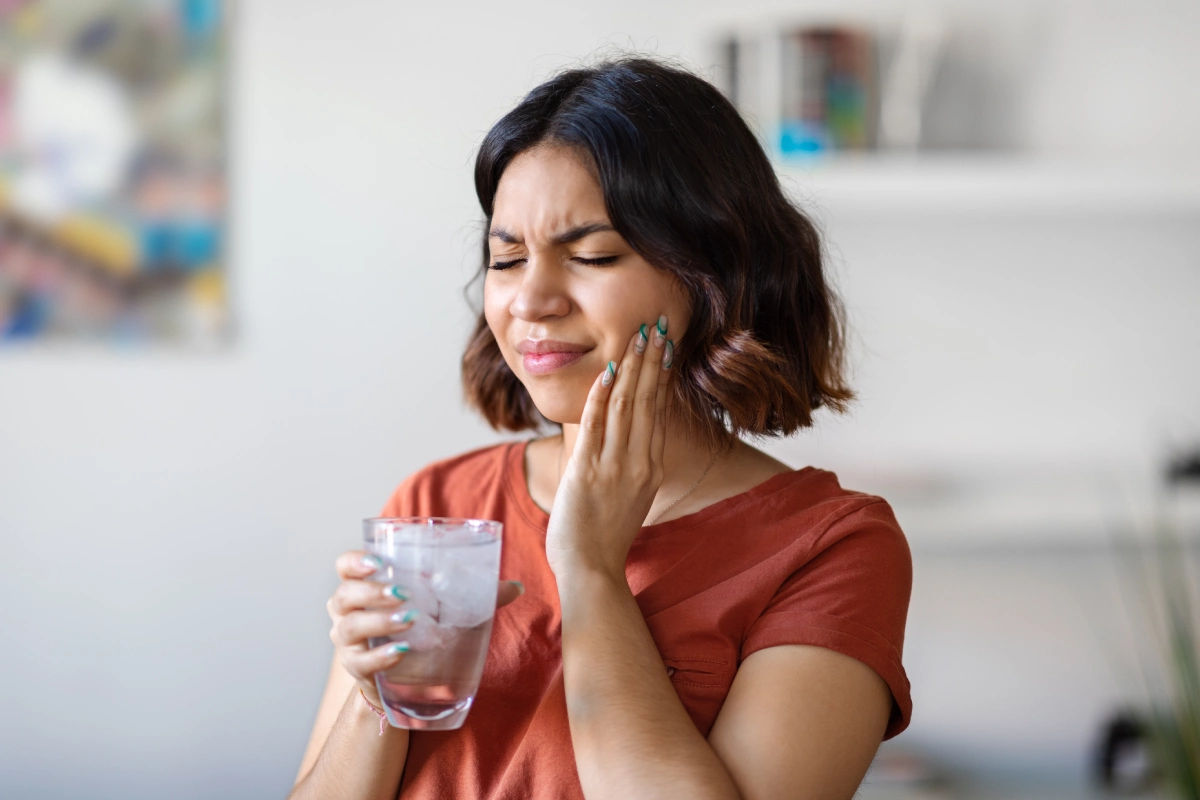
A toothache can feel manageable during the day and become much harder to ignore once you get into bed. You may notice throbbing, pressure, or a deep ache that seems stronger after dark.
If your toothache is worse at night, changes in position, inflammation, teeth grinding, tooth decay, or a cracked tooth may be responsible. In some cases, nighttime pain can also indicate inflammation or infection inside the tooth that may require root canal treatment.
Why Does Tooth Pain Feel Worse at Night?
Lying down can make pressure around an inflamed tooth more noticeable. Changes in blood flow and pressure around the head and face may contribute to the throbbing sensation.
There are also fewer distractions at night. During the day, work, conversations, meals, and other activities can take your attention away from discomfort. Once you are lying quietly in bed, the same pain may feel much more intense.
Nighttime clenching or grinding can make matters worse by putting repeated pressure on an already irritated tooth.
Can a Toothache Worse at Night Mean You Need a Root Canal?
It can, particularly when the pain comes from inflammation or infection in the dental pulp. The pulp contains the tooth’s nerves and blood vessels and can become damaged by deep decay, trauma, or a crack.
Possible signs of pulp involvement include:
- Throbbing or spontaneous tooth pain
- Pain that keeps you awake
- Strong sensitivity to hot or cold
- Sensitivity that lingers after the trigger is gone
- Pain when biting or chewing
- Swelling or tenderness around the tooth
Nighttime pain alone does not confirm that a root canal is necessary. A dental examination, along with appropriate testing or imaging, can help identify the actual cause.
For ongoing discomfort, dental care for persistent tooth pain can help determine what is causing your symptoms.
Other Causes of Nighttime Tooth Pain
A toothache worse at night can have several causes besides an infected pulp.
Tooth Decay
Deep decay can irritate the inner layers of a tooth and eventually reach the pulp. Pain may become more persistent as the decay progresses.
Teeth Grinding
Grinding or clenching during sleep can cause tooth soreness, sensitivity, and jaw tenderness. You may notice the discomfort most when you wake up.
Cracked Tooth
A crack can cause pain when biting or releasing your bite. If the crack reaches the pulp, it may eventually lead to inflammation or infection.
Sinus Pressure
Sinus inflammation can create pressure around the roots of the upper back teeth. This type of discomfort may affect several teeth rather than just one.
What Can You Do for a Toothache at Night?
Keeping your head slightly elevated while sleeping may make the pain less noticeable. You can also apply a cold compress to the outside of your cheek for temporary relief.
Avoid foods and drinks that trigger your symptoms and chew on the opposite side of your mouth. If you normally take over the counter pain medication safely, follow the product directions or your healthcare professional’s advice.
Do not place aspirin directly on the tooth or gums because it can irritate the tissue.
These steps may help you get through the night, but they will not treat decay, an infected pulp, or another underlying dental problem.
When Should You See a Dentist?
Arrange a dental evaluation if your toothache lasts more than a day or two, keeps returning, becomes more severe, or repeatedly wakes you from sleep.
Seek prompt care if you also have:
- Facial or gum swelling
- Fever
- Pus or drainage
- A persistent bad taste
- Severe pain when biting
- Significant sensitivity to hot or cold
Difficulty breathing or swallowing, or swelling that spreads toward the face or neck, requires emergency medical attention.
Do Not Let Tooth Pain Keep You Awake
If your toothache is worse at night and keeps returning, getting the cause identified can help prevent the problem from progressing. Synergy Endodontics in Palmdale evaluates persistent tooth pain and can determine whether root canal treatment or another form of care is appropriate.
If nighttime tooth pain is interfering with your sleep, schedule an appointment with Synergy Endodontics to have your symptoms evaluated.
Frequently Asked Questions
1. Why is my toothache worse at night?
Lying down can make pressure around an inflamed tooth more noticeable. With fewer distractions at night, existing pain can also feel stronger.
2. Does nighttime tooth pain always mean I need a root canal?
No. Decay, grinding, cracks, gum problems, and sinus pressure can also cause nighttime tooth pain. An examination is needed to determine the cause.
3. Can a tooth infection hurt more at night?
Yes. An infected or inflamed tooth can cause persistent or throbbing pain that becomes particularly noticeable when you are trying to sleep.
4. Should I see a dentist if tooth pain keeps waking me up?
Yes. Repeated sleep disrupting pain should be evaluated, especially if it becomes stronger or occurs with swelling, fever, or drainage.