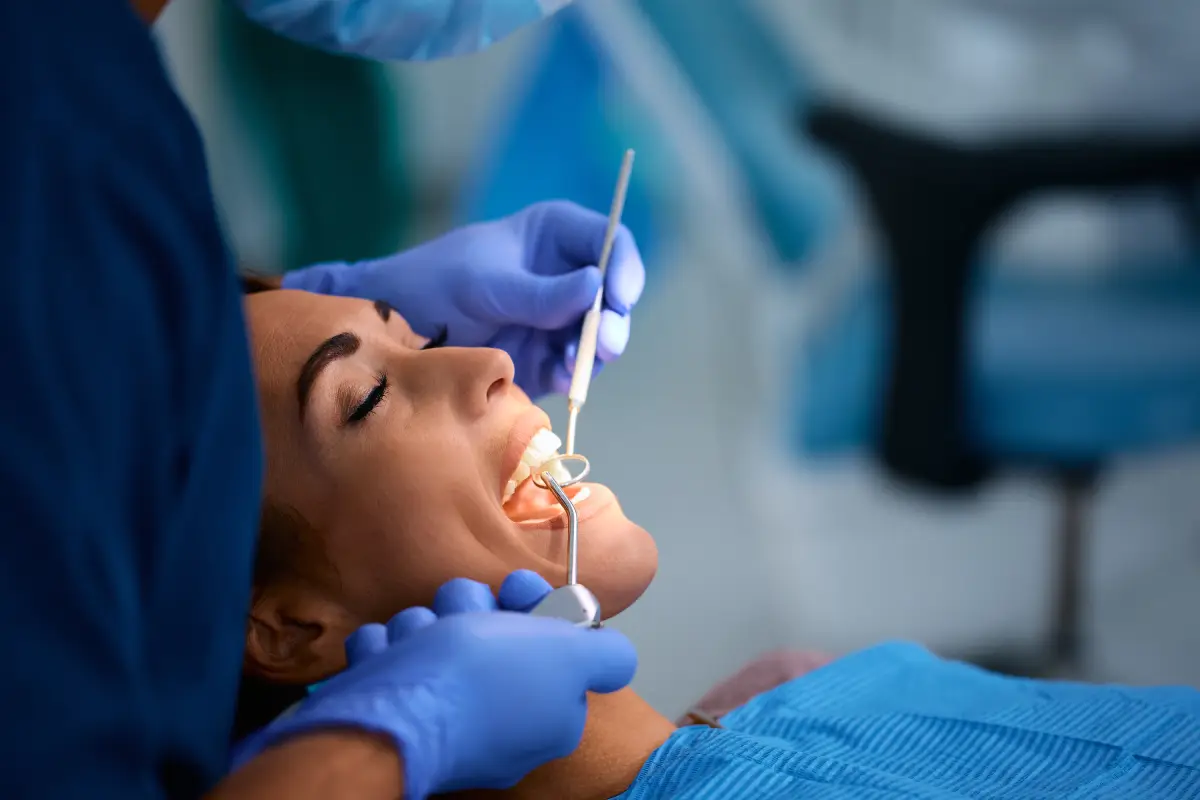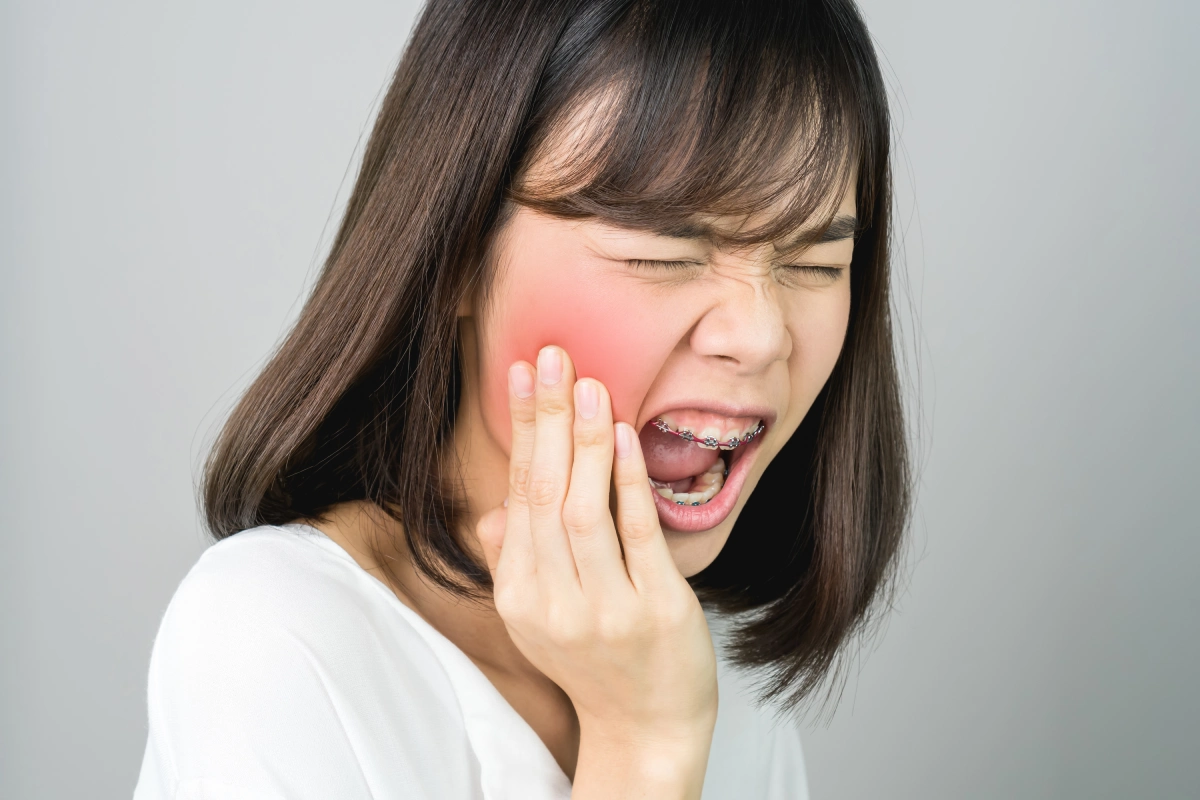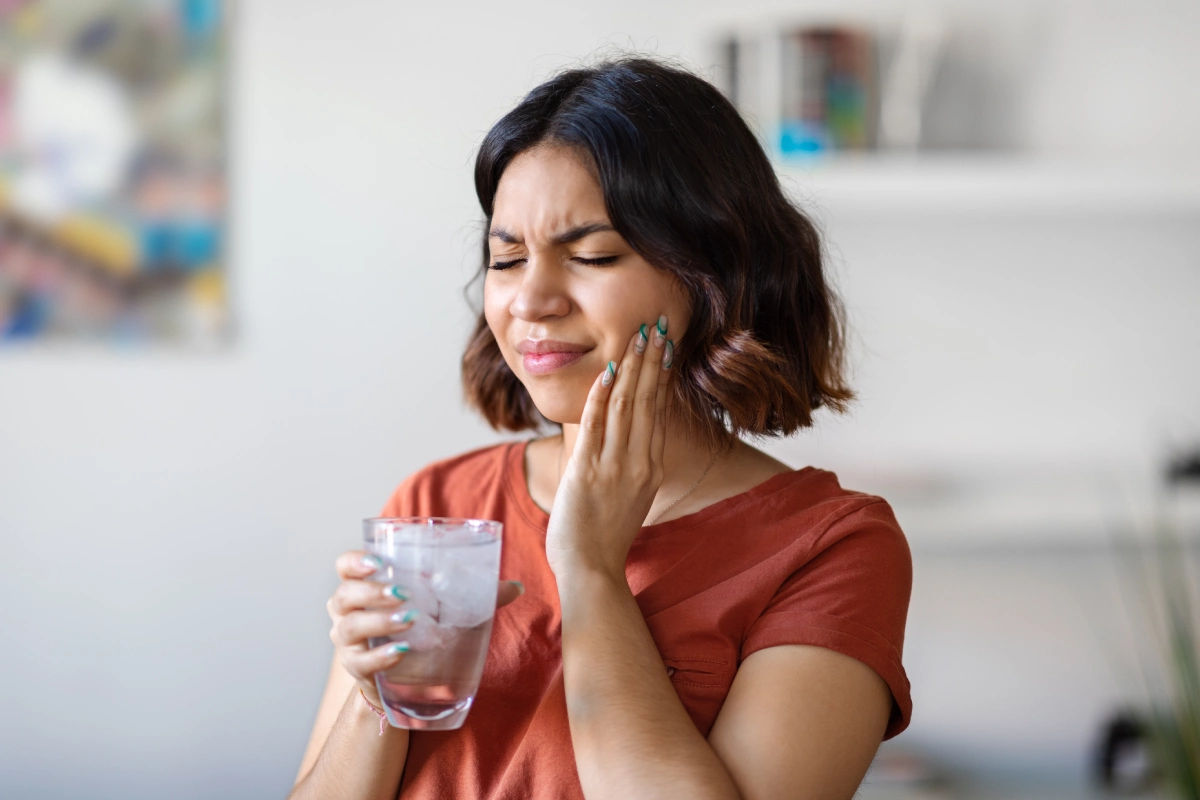
There’s a specific kind of tooth discomfort that catches people off guard, not a sharp jab, not a dull ache, but a rhythmic throbbing that almost seems to sync up with your heartbeat. If you’ve noticed your tooth feels like it’s pulsing, especially when you lie down or after physical activity, you’re not imagining things, and you’re definitely not alone in experiencing it.
This sensation tends to worry people because it feels so different from typical tooth pain. At Synergy Endodontics, we hear this description often, usually from patients trying to figure out whether it’s something urgent or something that will settle down on its own.
Let’s talk through what’s actually happening and why a tooth would feel this way in the first place.
What Causes That Pulsing Sensation
A pulsing or throbbing tooth is often a sign that the inner tooth has become inflamed or infected. In many cases, timely tooth pain treatment can relieve the pressure, address the source of the problem, and help preserve the natural tooth.
The pulsing or throbbing feeling usually comes down to pressure and blood flow inside the tooth. When the inner pulp, the layer that contains nerves and blood vessels, becomes inflamed or infected, it can swell. Because the pulp sits inside a rigid, enclosed space within the tooth, that swelling has nowhere to expand, which creates pressure that rises and falls with each heartbeat. That’s the “pulsing” sensation you’re feeling: your own pulse, amplified by pressure inside an inflamed tooth.
Common causes of this kind of throbbing tooth pain include:
- Deep decay that has reached the inner pulp
- An infection or abscess forming at the root of the tooth
- A cracked tooth that has allowed bacteria to reach the nerve
- Recent dental work that’s still settling, such as a new filling or crown
- Trauma to the tooth from an injury or hard bite
Why It Often Feels Worse at Certain Times
Many people notice that pulsating tooth pain intensifies when lying down at night. This happens because lying flat increases blood flow to the head, which can raise pressure inside an already inflamed tooth. Similarly, physical activity or bending over can temporarily increase this pressure, making the throbbing more noticeable in those moments.
If you’ve found yourself propping up an extra pillow just to get some relief at night, that pattern itself is a pretty strong clue about what’s going on.
When a Pulsing Tooth Signals Something Urgent
While mild, brief throbbing after a dental procedure can sometimes be a normal part of healing, a persistent or worsening heartbeat in tooth sensation is usually a sign that something needs attention. Watch for these accompanying symptoms:
- Swelling in the gums, cheek, or jaw near the affected tooth
- Pain that has progressively worsened over a day or two
- Sensitivity to hot or cold that lingers well after the trigger is removed
- A bad taste or odor coming from the area
- Fever or a general feeling of being unwell
- Visible swelling or a small bump on the gum, sometimes called a “gum boil”
If swelling is present alongside the throbbing, this combination often points to an active infection, which typically needs prompt treatment rather than a wait-and-see approach.
If your tooth has been pulsing for more than a day or two, it’s best not to wait it out. Contact us and we’ll help you get relief quickly.
Why This Symptom Shouldn’t Be Ignored
An infection inside a tooth doesn’t resolve on its own. Left untreated, it can continue to spread, potentially affecting the surrounding bone or even other areas of the face and jaw in more advanced cases. What starts as throbbing discomfort can progress into a more serious dental emergency if the underlying infection isn’t addressed.
The encouraging part is that once the source of the pressure and infection is treated, the throbbing sensation typically resolves fairly quickly, since it’s directly tied to the inflammation causing it.
How a Pulsing Tooth Is Typically Treated
Treatment depends on what’s causing the pressure inside the tooth. In many cases, especially when the inner nerve tissue is significantly affected, the most effective way to relieve both the infection and the pain is by cleaning out the affected area inside the tooth and sealing it to prevent reinfection. This directly addresses the swelling and pressure that’s causing the pulsing feeling in the first place, rather than just masking the discomfort temporarily.
Before recommending a specific treatment, a thorough exam and imaging are used to pinpoint exactly what’s happening inside the tooth and determine the most appropriate next step.
In the Meantime, What Can You Do?
While you’re waiting to be seen, a few things may help ease the discomfort:
- Take an over-the-counter pain reliever as directed on the packaging
- Apply a cold compress to the outside of the cheek near the affected tooth
- Keep your head elevated, even while resting, to reduce blood flow pressure to the area
- Avoid chewing on the affected side
These steps can help make you more comfortable, but they don’t address the underlying cause, so they’re not a substitute for having the tooth evaluated.
Finding Relief From Pulsing Tooth Pain With Us
A tooth that feels like it’s pulsing in rhythm with your heartbeat is your body’s way of signaling that something inside the tooth needs attention. At Synergy Endodontics, Dr. David Z. Li and our team are experienced in diagnosing and treating exactly this kind of discomfort, so you can get real relief rather than just waiting it out. We’re glad to support patients throughout Palmdale and Palm Desert, CA, whenever tooth pain shows up unexpectedly. Request an appointment today, and let’s put an end to that throbbing for good.