Receding gums are more than just an aesthetic concern—they can signal underlying dental issues that, if left untreated, can lead to severe consequences, including tooth loss. A periodontist, a specialist in gum health, plays a critical role in diagnosing and treating receding gums. By exploring the treatment options available and understanding the potential outcomes, you can take proactive steps to protect your smile.
Understanding Gum Recession
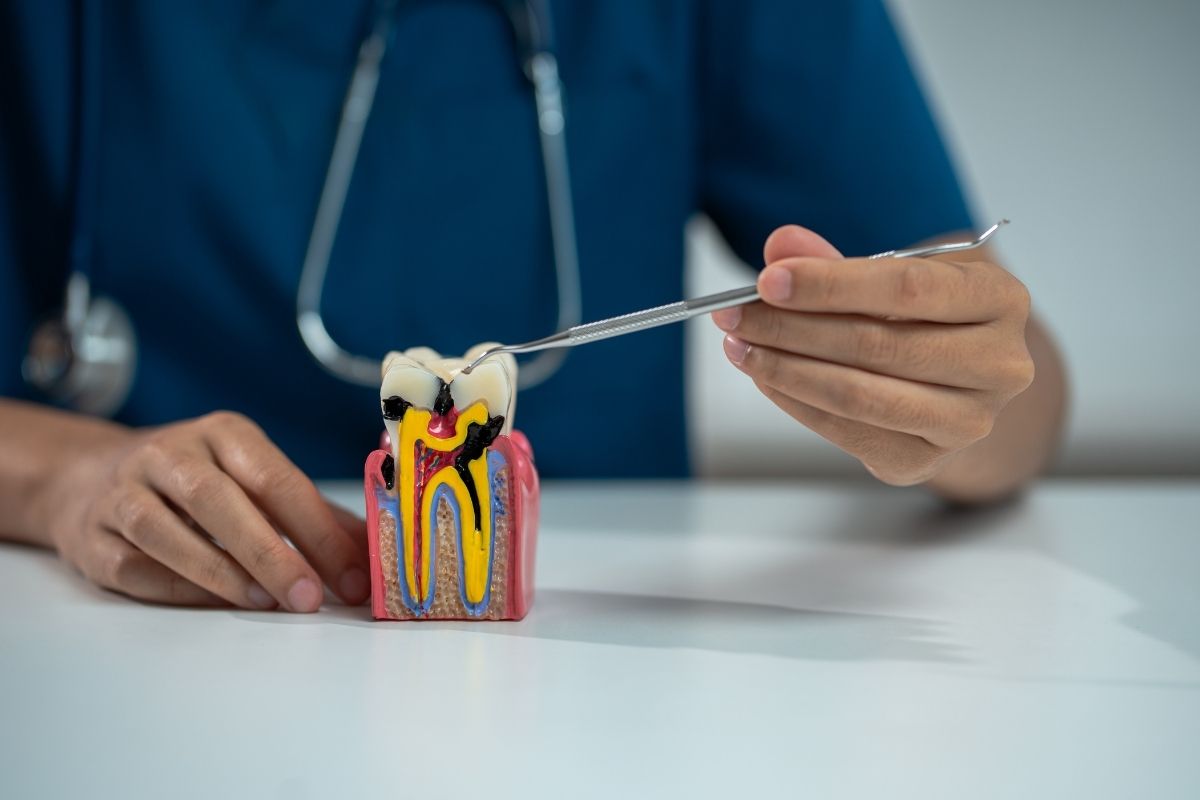
Gum recession occurs when the gum tissue that surrounds the teeth begins to wear away or pull back, exposing more of the tooth or its root. This condition can result from several factors, including poor oral hygiene, aggressive brushing, periodontal disease, or even genetic predisposition. If you notice your teeth appearing longer or experiencing increased sensitivity, these could be signs of receding gums.
While mild cases may be manageable with improved dental care, more severe instances require professional intervention from a periodontist in Palm Desert. Ignoring gum recession can lead to increased sensitivity, higher risks of tooth decay, and, in extreme cases, tooth loss.
How a Periodontist in Palm Desert Can Help?
Periodontists specialize in the prevention, diagnosis, and treatment of periodontal disease, as well as in the placement of dental implants. When it comes to receding gums, their expertise allows them to offer a range of treatments tailored to your specific condition.
Scaling and Root Planing:
One of the first lines of defense against gum recession is a deep cleaning procedure known as scaling and root planing. This non-surgical treatment involves removing plaque and tartar from below the gum line (scaling) and smoothing the exposed root surfaces (root planing). By eliminating the bacteria that contribute to gum disease, this treatment can help prevent further gum recession and promote gum reattachment to the teeth.
Outcomes: After scaling and root planing, patients often experience reduced gum inflammation and a halt in the progression of gum recession. While this treatment may not reverse existing gum recession, it can stabilize the condition and protect against further damage.
Gum Grafting:
For more advanced cases of gum recession, gum grafting may be necessary. This surgical procedure involves taking tissue from another part of your mouth, such as the roof of your mouth, or using donor tissue, and attaching it to the receding areas. The grafted tissue helps cover the exposed roots and encourages the growth of new, healthy gum tissue.
Outcomes: Gum grafting can significantly improve the appearance of receding gums and reduce tooth sensitivity by covering exposed roots. Over time, the grafted tissue integrates with the existing gums, providing long-lasting protection against further recession.
Pinhole Surgical Technique:
A more modern and minimally invasive option, the pinhole surgical technique (PST) involves making a small hole in the gum tissue above the affected area. Using specialized instruments, the periodontist gently loosens the gum tissue and repositions it over the exposed roots. Since this method doesn’t involve cutting or stitching, recovery time is generally quicker compared to traditional gum grafting.
Outcomes: PST offers immediate aesthetic improvements and can effectively reduce sensitivity. Patients typically experience less discomfort and swelling compared to traditional surgical methods, and the results are durable, with the gum tissue remaining stable over time.
Regenerative Procedures:
In cases where gum recession is accompanied by significant bone loss, regenerative procedures may be required. These treatments involve using bone grafts, tissue-stimulating proteins, or membranes to encourage the body’s natural ability to regenerate lost bone and tissue. By addressing the underlying bone loss, regenerative procedures can help improve the overall health of your gums and support the stability of your teeth.
Outcomes: Regenerative treatments can lead to the regeneration of lost bone and gum tissue, providing a more solid foundation for your teeth and reducing the risk of further recession or tooth loss.
Conclusion
If you’re dealing with receding gums, consulting with a periodontist near you is crucial for determining the best course of action. By addressing the issue early, you can prevent further complications and maintain a healthy, beautiful smile. Whether through non-surgical treatments like scaling and root planing or more advanced options like gum grafting and regenerative procedures, a periodontist offers the expertise needed to restore and protect your gums.
Your gums are an essential part of your oral health, and taking proactive steps to care for them will pay off in the long run. Don’t wait for symptoms to worsen—reach out to a periodontist and explore the treatment options that can help you achieve healthier gums and a confident smile.