If you’ve been told you need a gum procedure to treat receding tissue, it’s completely normal to wonder how uncomfortable the experience will be. Many patients in Palm Desert and nearby communities like Rancho Mirage, Indian Wells, and La Quinta are especially concerned about recovery time and post-treatment soreness. The good news is that modern techniques have made the process far more comfortable than many people expect. In most cases, a Gum Graft procedure involves manageable discomfort, careful numbing during treatment, and detailed aftercare instructions that support smooth healing and long-term oral health.
Why Receding Gums Need Attention
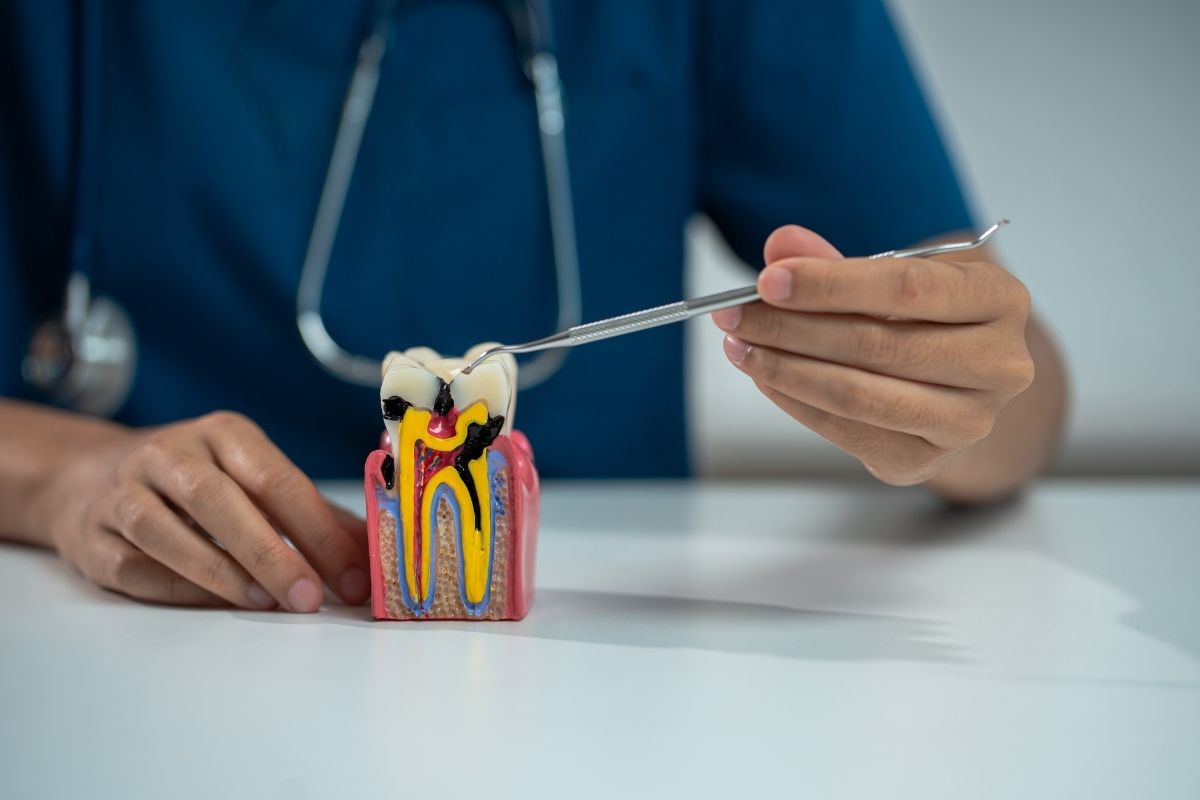
Gum recession happens when the gum tissue surrounding the teeth gradually pulls away, exposing the tooth roots underneath. This can develop because of periodontal disease, aggressive brushing habits, teeth grinding, genetics, or long-term inflammation.
When roots become exposed, patients often notice:
- Increased tooth sensitivity
- Discomfort when eating hot or cold foods
- Teeth appearing longer than normal
- Greater risk of decay near the roots
- Changes in the appearance of the smile
Left untreated, recession may continue progressing and eventually affect tooth stability. A grafting procedure helps protect vulnerable roots while supporting healthier tissue around the teeth.
What Patients Feel During the Procedure
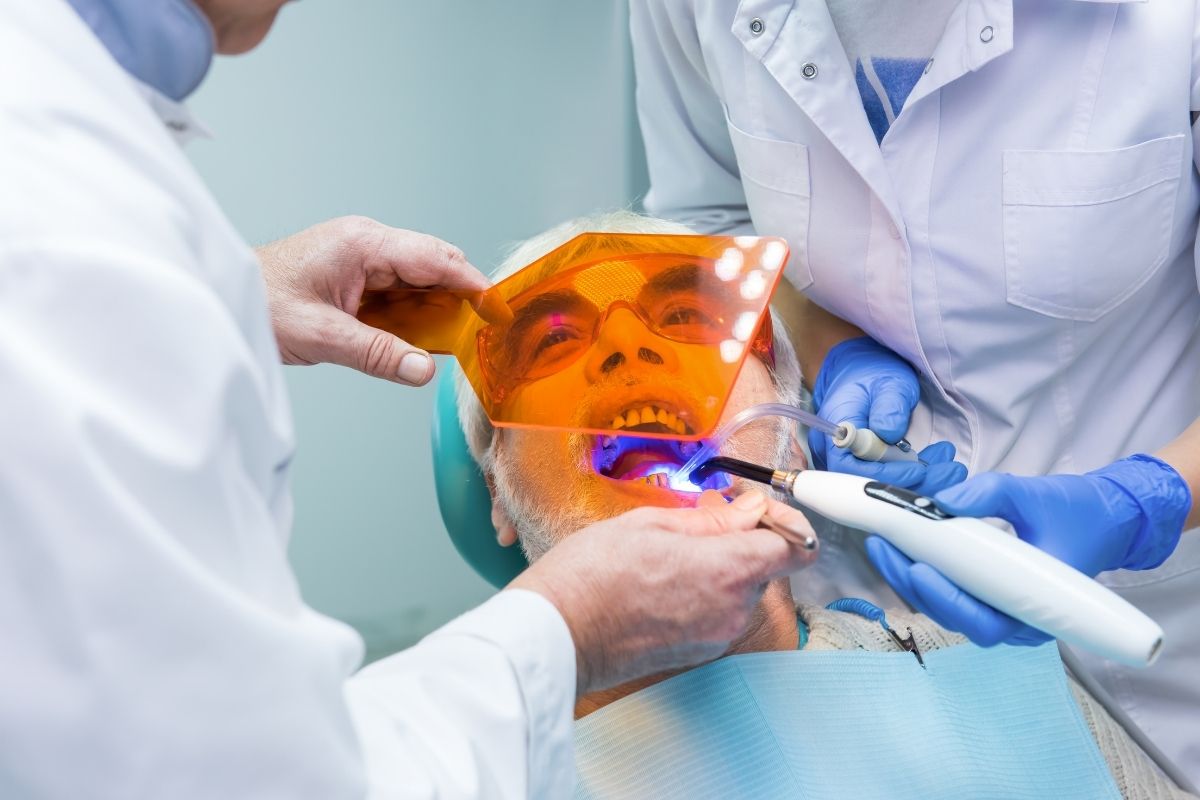
One of the biggest misconceptions is that the treatment itself is painful. In reality, the area is thoroughly numbed with local anesthesia before the procedure begins. Patients may feel slight pressure or movement, but sharp pain during surgery is uncommon.
Depending on the specific approach used, tissue may come from:
- The roof of the mouth
- Nearby gum tissue
- Donor tissue from a tissue bank
Some individuals also choose sedation options if they feel anxious about dental procedures. This can help patients remain calm and relaxed throughout the appointment.
For many people, the anticipation is actually worse than the procedure itself.
Understanding the Different Healing Experiences
Recovery experiences vary from person to person. The amount of tenderness often depends on the type of technique used and how much tissue is involved.
Procedures Using Tissue From the Palate
When tissue is taken from the roof of the mouth, patients sometimes report more soreness during the first few days. The donor area can feel similar to a scrape or burn while healing occurs.
Even so, most patients describe the discomfort as temporary and manageable with medication and proper aftercare.
Less Invasive Techniques
Some modern procedures use donor tissue or minimally invasive methods that avoid harvesting tissue from another part of the mouth. These approaches may reduce recovery discomfort significantly.
Patients often return to regular routines relatively quickly, though healing instructions should still be followed carefully.
The First Few Days After Treatment
The initial recovery period is usually when patients notice the most tenderness. Mild swelling, sensitivity, and minor bleeding can occur during the first 24 to 72 hours.
Common recovery experiences include:
- Tightness around the treated area
- Mild swelling in the gums
- Sensitivity while chewing
- Temporary difficulty eating certain foods
Most patients can manage symptoms with:
- Cold compresses
- Prescribed or over-the-counter medications
- Plenty of rest
- Soft foods
- Good hydration
Following post-treatment instructions closely can make a major difference in comfort levels.
Foods That Help Support Healing
Diet plays an important role during recovery. Softer foods reduce irritation and protect healing tissue from unnecessary pressure.
Good options often include:
- Yogurt
- Scrambled eggs
- Smoothies
- Mashed potatoes
- Soup that is not too hot
- Oatmeal
- Soft pasta
- Applesauce
Patients should avoid crunchy, spicy, acidic, or very hot foods during the healing period. Hard foods can disturb the surgical area and slow recovery.
Oral Hygiene Still Matters
Keeping the mouth clean is essential for successful healing. However, brushing directly near the treatment site is usually avoided temporarily.
Patients are often instructed to:
- Use a prescribed antimicrobial rinse
- Brush carefully around nearby teeth
- Avoid touching the area with fingers or the tongue
- Skip flossing near the graft until approved
The American Dental Association provides additional guidance on maintaining healthy gums and preventing periodontal disease.
How Long Does Recovery Usually Take?
Most people feel noticeably better within one to two weeks. However, complete integration of the new tissue can take longer depending on the complexity of the procedure.
Typical recovery milestones include:
First Week
- Swelling gradually improves
- Tenderness begins decreasing
- Soft-food diet continues
Two Weeks
- Many patients resume normal daily activities
- Sensitivity often improves significantly
Several Weeks to Months
- Tissue continues strengthening and blending naturally with the surrounding gums
Routine follow-up visits allow the dental team to monitor healing progress and make sure the graft remains stable.
Factors That Can Affect Comfort Levels
Every patient heals differently. Several factors can influence the recovery experience, including:
- Smoking or vaping
- Existing gum disease
- Overall health conditions
- Stress levels
- Oral hygiene habits
- Following aftercare instructions carefully
Patients who maintain excellent home care and avoid irritating the surgical area often experience smoother recoveries.
When to Contact a Dental Professional
While mild discomfort is expected, certain symptoms may require prompt attention. Patients should contact their provider if they experience:
- Excessive bleeding
- Severe swelling
- Persistent fever
- Intense pain that worsens over time
- Signs of infection
An experienced dental specialist can evaluate healing and determine whether additional care is needed. Many patients searching for a periodontist in Palm Desert often want reassurance that healing is progressing normally and comfortably.
Confidence Comes From Knowing What to Expect
Fear of pain prevents many people from seeking treatment for receding gums, but most patients are pleasantly surprised by how manageable the experience actually is. With modern techniques, proper numbing, and attentive aftercare, recovery is typically smoother than anticipated.
Protecting exposed tooth roots early can help preserve long-term oral health and reduce future complications. If you have concerns about gum recession or questions about healing expectations, contact us today to schedule a consultation with Synergy Endodontics Palm Desert and learn more about your treatment options.