Healthy gums are the foundation of a healthy smile, yet gum disease often develops quietly until serious damage occurs. Visiting a trusted Periodontist Palmdale residents rely on can make the difference between saving and losing teeth. Gum disease affects millions of adults and is the leading cause of tooth loss—yet it’s highly preventable and treatable when caught early.
In this guide, we’ll explain what gum disease is, break down its stages, highlight warning signs, and explore modern treatment options available locally. Whether you live in Palmdale, Lancaster, Quartz Hill, or nearby communities, this article will help you understand when to seek professional periodontal care and how early treatment protects your long-term oral health.
What Is Gum Disease and Why Does It Matters
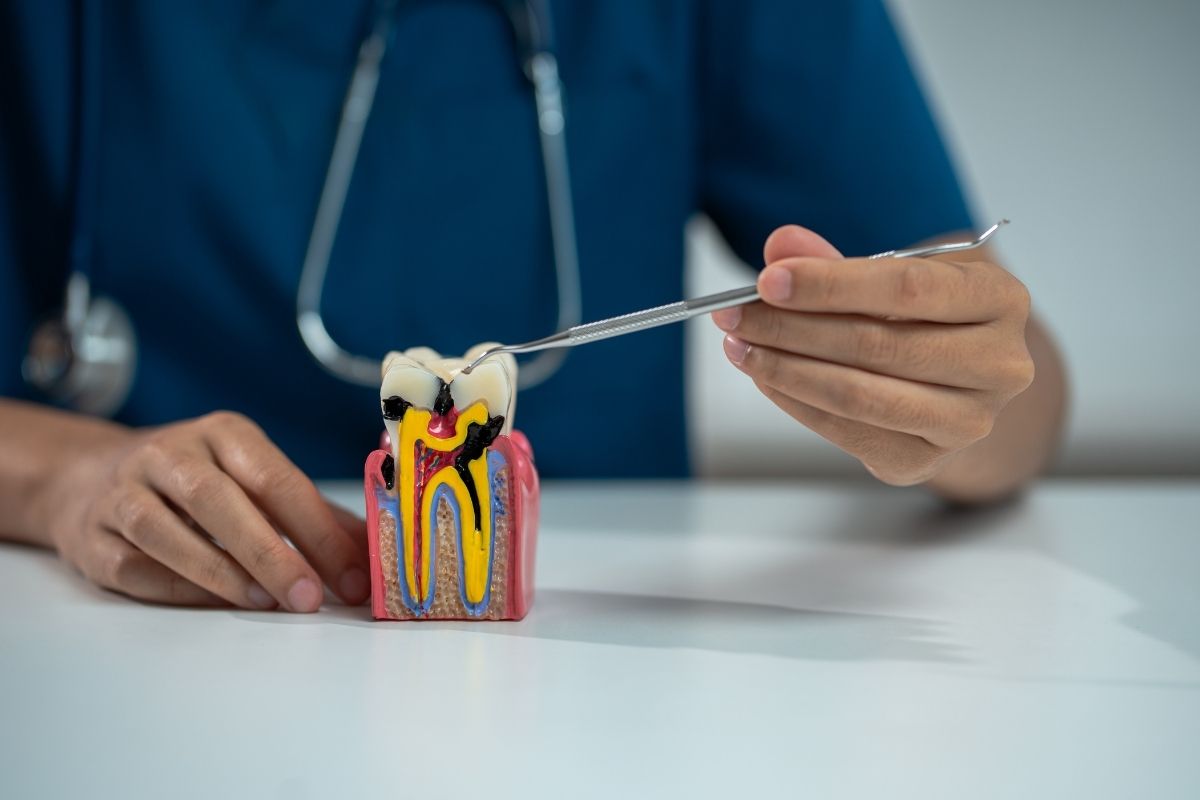
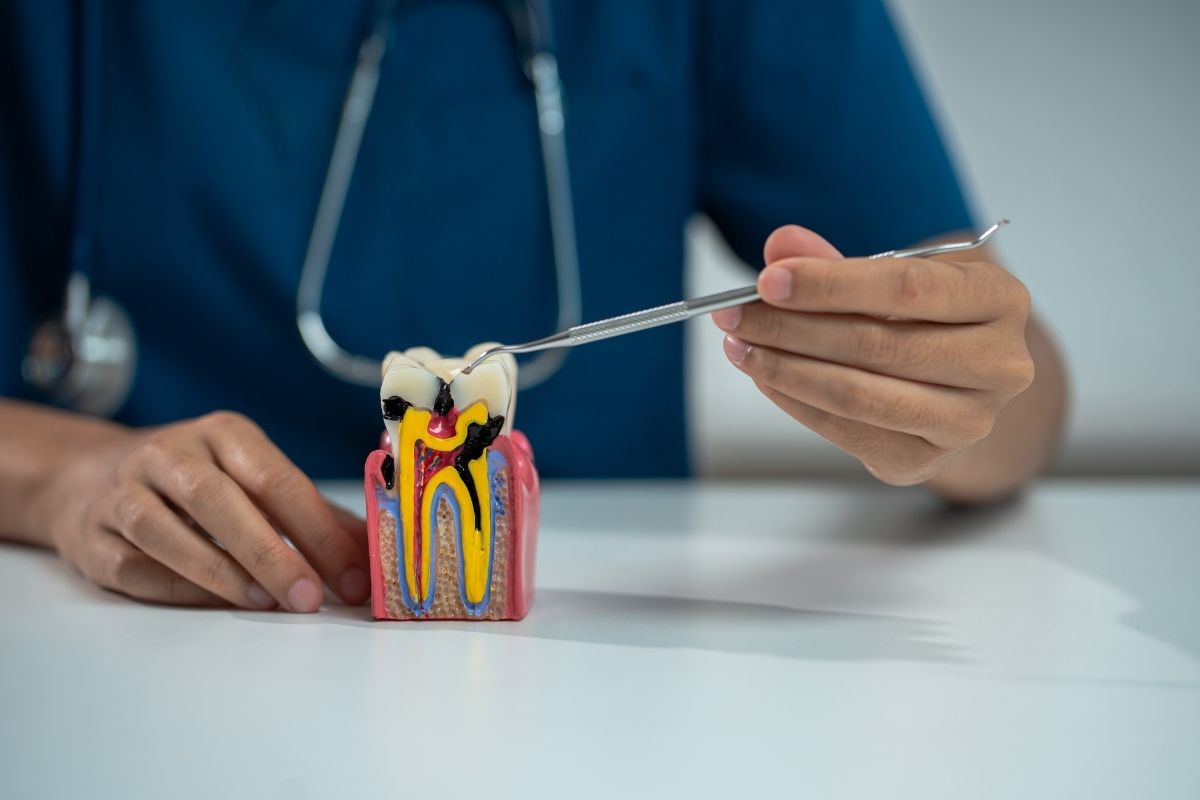
Gum disease—also called periodontal disease—is a chronic infection affecting the gums and the bone supporting your teeth. It typically begins with plaque buildup along the gumline. When plaque isn’t removed through daily brushing, flossing, and professional cleanings, it hardens into tartar and allows harmful bacteria to thrive.
As the infection progresses, gums pull away from the teeth, creating deep pockets that trap more bacteria. Without timely periodontal treatment in Palmdale, patients may experience gum recession, bone loss, loose teeth, and eventually tooth loss. Beyond oral health, untreated gum disease has been linked to systemic conditions such as diabetes and heart disease—making early intervention essential.
Stages of Gum Disease Explained
Understanding the stages of gum disease helps patients recognize symptoms early and seek care before irreversible damage occurs.
Gingivitis – The Early Warning Stage
Gingivitis is the mildest and most common form of gum disease. At this stage, the infection is limited to the gums and has not yet affected the bone.
Common signs include:
- Red, swollen, or tender gums
- Bleeding during brushing or flossing
- Persistent bad breath
The good news? Gingivitis is completely reversible. Professional cleanings and improved home care can restore gum health before permanent damage sets in. A gum specialist Palmdale patients trust can stop the disease before it progresses.
Early Periodontitis – Infection Below the Gumline
When gingivitis goes untreated, bacteria spread beneath the gumline. The body’s inflammatory response begins breaking down the bone and connective tissue supporting the teeth.
Symptoms may include:
- Gum recession
- Increased sensitivity to hot or cold
- Early bone loss is visible on X-rays
Treatment typically involves deep cleaning procedures such as scaling and root planing to remove bacteria from below the gums. Early intervention with periodontal treatment in Palmdale services can slow or halt further damage.
Moderate Periodontitis – Structural Damage Begins
At this stage, the infection becomes more aggressive. Gum pockets deepen, and bone loss accelerates.
Warning signs include:
- Loose or shifting teeth
- Increased bleeding and discomfort
- Pus between gums and teeth
- Changes in bite alignment
More advanced therapies may be needed, including periodontal surgery in Palmdale to clean infected areas and stabilize the bone. Referral to a specialist is often recommended to preserve natural teeth whenever possible.
Advanced Periodontitis – Risk of Tooth Loss
Advanced periodontitis is the most severe form of gum disease. Significant bone and tissue destruction leads to tooth instability and functional problems.
Symptoms may include:
- Severe pain while chewing
- Teeth that are very loose or missing
- Chronic infection and bad taste
- Difficulty eating and speaking
At this stage, treatment focuses on infection control, saving remaining teeth, and restoring function—often using surgical therapy, grafting procedures, or dental implants guided by a skilled gum specialist Palmdale patients can depend on.
Modern Treatment Options for Gum Disease
Treatment is tailored to the severity of the disease and the patient’s overall oral health. After a comprehensive periodontal evaluation, a specialist may recommend:
- Scaling and root planing to remove bacteria and smooth tooth roots
- Antibiotic therapy to control infection
- Periodontal surgery in Palmdale, such as flap surgery, to reduce pocket depth
- Bone and tissue grafting to regenerate lost structures
- Dental implants to replace teeth lost due to advanced disease
Practices like Synergy Endodontics collaborate closely with periodontal specialists to ensure coordinated, high-quality care for patients across Palmdale and surrounding areas like Acton and Antelope Acres.
Why Seeing a Local Periodontal Specialist Matters
Choosing a local provider ensures timely care and personalized treatment. A nearby periodontist Palmdale residents trust understands regional needs, offers convenient follow-ups, and provides continuity of care. Local expertise also means faster referrals, advanced technology access, and treatment plans designed for long-term success.
If you notice bleeding gums, persistent bad breath, or loose teeth, don’t wait. Early care prevents complex procedures later and protects your natural smile.
Conclusion
Gum disease is common—but it doesn’t have to cost you your smile. Understanding the stages of periodontal disease empowers you to seek care early and avoid permanent damage. From reversible gingivitis to advanced periodontitis, prompt treatment makes a lasting difference in both oral and overall health.
If you’re experiencing symptoms or want a professional evaluation, contact Synergy Endodontics today to schedule your appointment and take the first step toward healthier gums. Our team proudly serves patients throughout Palmdale and nearby communities.
Visit us at 41250 12th Street W, Suite A, Palmdale, CA 93551 to begin your journey toward lasting periodontal health.
FAQs
Q1: How do I know if I need to see a periodontist?
If you have bleeding gums, gum recession, loose teeth, or persistent bad breath, a periodontal evaluation is recommended.
Q2: Is gum disease treatment painful?
Most treatments are performed with local anesthesia, and modern techniques minimize discomfort and recovery time.
Q3: Can gum disease be completely cured?
Early stages can be reversed. Advanced stages can’t be cured but can be successfully managed with proper periodontal care.