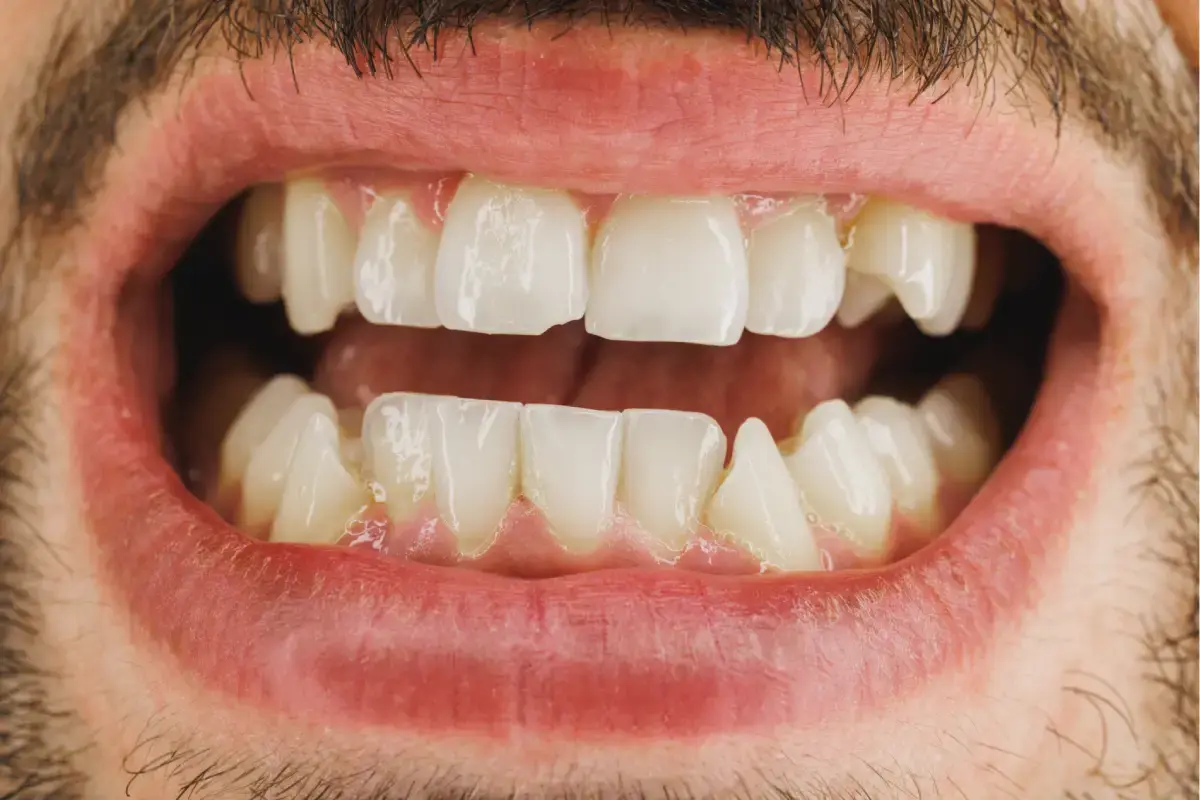
A cracked tooth may seem minor, but it can have severe consequences if left untreated for your dental health. Whether caused by biting into something hard, an accident, or wear over time, cracks can expose the inner layers of your tooth to harmful bacteria, leading to pain, infection, and even tooth loss. In this blog, we’ll explore the different types of cracked teeth, how they can affect your health, and why seeking timely treatment is essential.
Types of Cracked Teeth:
Teeth can crack in various ways, and the severity of the crack determines the treatment you will need. Here are the most common types:
- Craze Lines: These are tiny, shallow cracks in the outer enamel. While they don’t usually cause pain or require treatment, they can make your tooth more vulnerable to damage over time.
- Fractured Cusps: A cusp is the pointed part of the tooth. When a cusp fractures, it typically results from chewing on hard foods. While it may not cause immediate pain, untreated, it can lead to further weakening of the tooth.
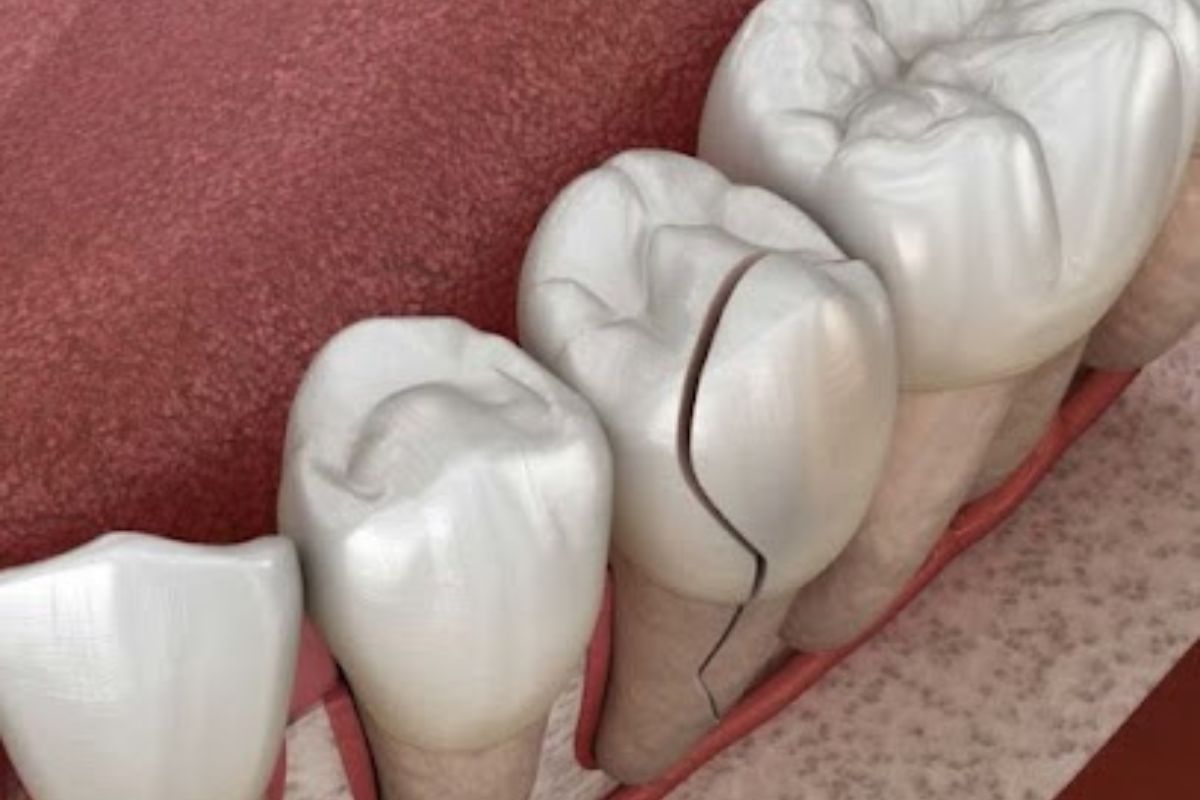
- Cracked Teeth: A crack runs vertically from the top to the bottom of the tooth. These cracks can cause discomfort, especially when chewing or exposed to hot or cold temperatures.
- Split Teeth: A split tooth is a severe case where the crack extends deeply, dividing the tooth into two parts. This typically occurs after a tooth has been cracked for an extended period and left untreated. Split teeth often require extraction.
- Vertical Root Fractures: These cracks occur in the tooth’s root and often aren’t visible in the crown. Symptoms might include pain when chewing, and if the crack reaches the pulp, it can cause infection and abscess formation.
How Cracked Teeth Impact Your Dental Health?
Cracked teeth can have several adverse effects on your dental health, including:
- Increased Sensitivity
Cracks in your teeth expose the sensitive layers underneath the enamel, like the dentin or pulp. This can increase sensitivity to hot, cold, or sugary foods and drinks. You might experience discomfort when chewing or brushing, making it difficult to enjoy your meals or maintain good oral hygiene.
- Tooth Decay and Infection
A cracked tooth creates an entry point for bacteria to reach the deeper layers of your tooth. This can lead to tooth decay and, eventually, an infection in the pulp (the soft tissue inside the tooth). If the infection spreads, it may result in an abscess, which can be extremely painful and may require a root canal or even tooth extraction.
- Worsening Damage
A small crack in your tooth may seem harmless at first, but over time, it can expand. As the crack deepens, the tooth structure weakens, making it more likely to break completely. In severe cases, the tooth may be beyond repair, requiring extraction.
- Chewing Difficulty
A cracked tooth can affect your ability to chew correctly. You may avoid using the affected side of your mouth, leading to imbalanced chewing and stress on other teeth. This can cause additional dental issues, such as jaw pain, misalignment, and wear on healthy teeth.
Treatment Options for Cracked Teeth:
If you suspect you have a cracked tooth, it’s important to seek dental care promptly to prevent further damage. Your endodontist in Palmdale will assess the severity of the crack and recommend the best course of treatment, which may include:
- Dental Bonding: Dental bonding can restore the tooth’s appearance and function for minor cracks. The endodontist applies a tooth-colored resin to seal the crack and prevent further damage.
- Dental Crowns: For more significant cracks, a crown may be necessary to cover the tooth and protect it from further damage. Crowns restore the tooth’s shape and strength.
- Root Canal: If the crack has affected the pulp of the tooth, a root canal may be required to remove the infected tissue. Afterward, a crown is typically placed to protect the tooth.
- Tooth Extraction: In extreme cases, when the tooth is too damaged to save, your endodontist may recommend extraction. After extraction, you’ll need a replacement option like a dental implant or bridge.
Preventing Cracked Teeth:
While some cracks are inevitable, there are steps you can take to reduce the risk of cracking your teeth:
- Avoid chewing hard foods like ice, nuts, or candy.
- Wear a mouthguard if you play sports or grind your teeth at night.
- Visit your endodontist regularly for checkups and cleanings to catch issues early.
- Address any dental problems, like cavities, that could weaken your teeth.
Cracked teeth are a common dental issue that can have a significant impact on your oral health. From increased sensitivity to potential infections, a crack in your tooth can lead to a range of problems. It’s essential to seek prompt treatment if you suspect you have a cracked tooth to avoid worsening damage and preserve your smile. Regular dental visits and good oral hygiene habits are the best ways to protect your teeth from breaking in the first place.
If you’re experiencing tooth pain or suspect a crack, schedule a consultation with your endodontist as soon as possible. Taking action now can prevent more severe complications down the road.