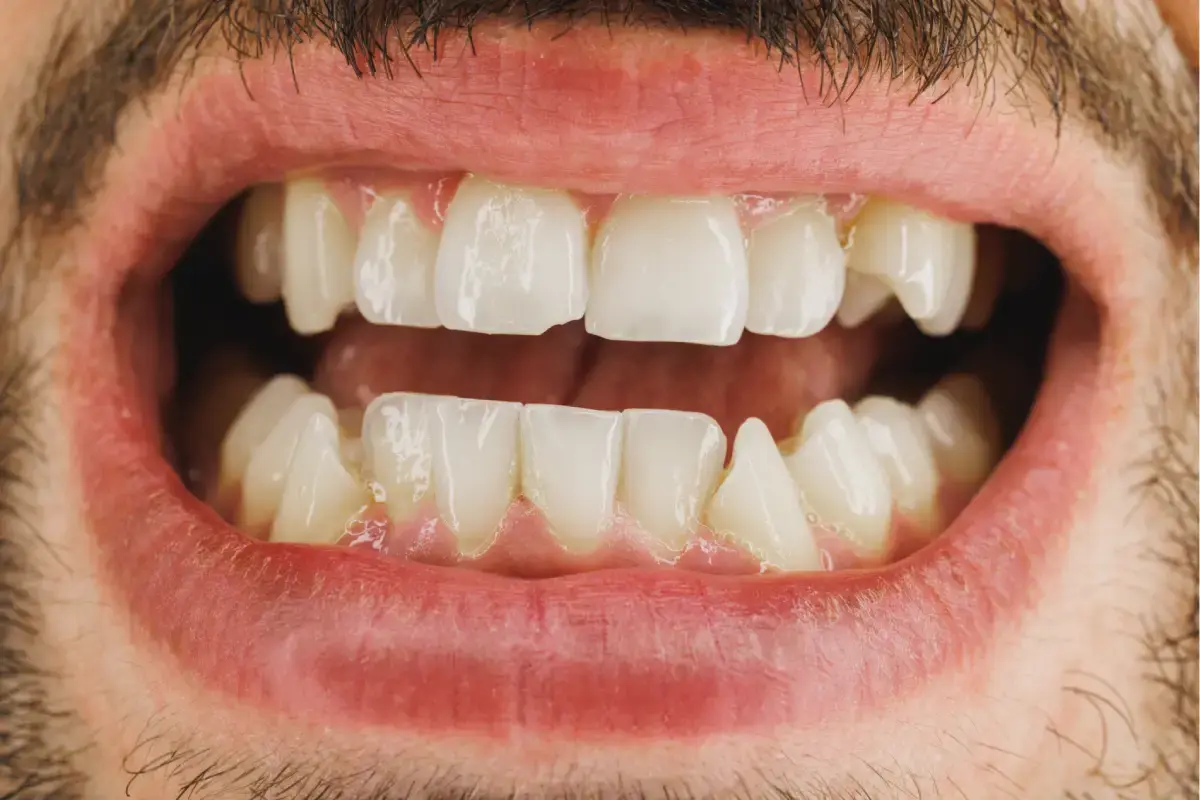
Cracked teeth are one of the most common dental problems Americans experience, and they often start with minor, preventable issues that go unnoticed. While accidents and injuries can happen, many cracks develop slowly due to everyday habits, especially diet choices and inconsistent oral hygiene. The good news? You can significantly reduce your risk by understanding how your daily routines impact your teeth.
As endodontists, we frequently treat cracked teeth that could have been avoided with proper preventive care. This guide breaks down how smart eating habits and proper oral care protect your enamel—and your wallet from painful cracks and expensive treatments.
What Causes Cracked Teeth? Endodontist Insights
Cracked teeth don’t happen overnight. They usually start from repeated pressure, weakened enamel, or sudden force. Here are the most common causes we see in U.S. patients:
- Chewing hard foods like ice, nuts, or unpopped popcorn kernels
- Teeth grinding or clenching during sleep
- Biting into hard candy
- Aging enamel
- Large fillings that weaken tooth structure
- Sudden temperature changes (hot coffee + cold water)
- Poor oral hygiene that allows decay to undermine tooth strength
When cracks deepen, they can reach the pulp, the inner layer of your tooth, causing sensitivity, sharp pain, and inflammation. That’s when endodontic treatment becomes essential. But prevention always comes first.
How Your Diet Affects
Your enamel is the hardest substance in your body—but it isn’t invincible. The foods and drinks you consume directly affect your strength and durability.
1. Eat Foods That Strengthen Enamel
A strong tooth can withstand daily chewing forces better. Incorporate:
- Calcium-rich foods: cheese, yogurt, low-fat milk
- Vitamin D sources: salmon, fortified cereals
- Phosphorus-containing foods: eggs, fish, lean meats
- Crunchy fruits and vegetables: apples, carrots, celery (clean teeth naturally)
These foods reinforce enamel, making teeth more resistant to cracks.
2. Avoid Foods That Damage Your Weakened Teeth
Certain items increase your risk of fractures:
- Hard candies
- Ice
- Popcorn kernels
- Sticky sweets
- Sugary sodas, energy drinks, or acidic beverages
Acidic drinks erode enamel over time, making it easier for cracks to form. The weaker the tooth, the less force it can handle—especially when chewing hard or crunchy foods.
3. Develop Safer Eating Habits
- Cut hard foods into smaller pieces
- Don’t bite nuts or candies with your front teeth
- Avoid mixing extremely hot and cold foods
- Stay hydrated with water to maintain saliva levels
Small changes like these protect your enamel long-term.
Oral Hygiene Habits That Help Prevent broken Teeth
A tooth with decay, plaque buildup, or weakened enamel is more vulnerable to cracking even from normal biting pressure.
1. Brush Properly Twice a Day
Use a soft-bristled toothbrush and fluoride toothpaste. Gentle brushing helps:
- Strengthen enamel
- Remove food particles
- Prevent decay that can compromise a tooth’s structure
Avoid brushing too hard; aggressive brushing wears down enamel and gum tissue.
2. Don’t Skip Flossing
Food and bacteria trapped between teeth can lead to decay, weakening the sides of your teeth. Daily flossing prevents cavities that could eventually contribute to cracks.
3. Use Fluoride for Extra Protection
Fluoride strengthens enamel, making it more resistant to breakage. You can benefit from:
- Fluoride toothpaste
- Fluoride mouth rinse
- Professional fluoride treatments during dental visits
4. Stay Consistent With Dental Exams
Regular checkups help detect small cracks before they become severe. Endodontists often find early signs of fractured teeth that patients miss—especially hairline cracks that can worsen under biting pressure.
If you grind your teeth, your dentist may recommend a custom night guard to prevent excessive force that leads to cracks.
Lifestyle Factors That Affect Tooth Strength
Beyond diet and brushing, your daily habits play a significant role in protecting your teeth.
1. Address Teeth Grinding
Night grinding puts intense pressure on your teeth, often leading to:
- Microcracks
- Enamel wear
- Fractured cusps
- Tooth pain
A custom-fitted night guard offers essential protection.
2. Avoid Using Teeth as Tools
Don’t use your teeth to tear packaging, open bags, or crack nutshells. These habits cause sudden impact and unnecessary stress on enamel.
3. Stay Mindful of Stress
High stress levels often lead to clenching and grinding, even during the day. Managing stress helps protect both your enamel and your jaw.
When to See an Endodontist:
You should seek help promptly if you experience:
- Sharp pain when biting
- Sensitivity to hot or cold
- Pain that comes and goes
- A visible crack
- A feeling that your tooth is “split.”
Endodontists specialize in diagnosing and treating cracked teeth, especially cracks that reach the inner pulp. Early treatment helps save the natural tooth and prevent the need for extraction.
How Everyday Habits Safeguard Your Teeth from Cracks
Your daily habits, what you eat, how you brush your teeth, and how you care for your enamel play a significant role in preventing cracked teeth. Strong enamel reduces the risk of painful fractures and costly dental procedures.
By combining a tooth-friendly diet, consistent oral hygiene, safe chewing habits, and regular dental visits, you can keep your teeth healthier and stronger for years.
Want expert guidance on preventing one?
Worried about a cracked tooth or lingering sensitivity? Get answers fast. Visit our trusted endodontic practice in Palm Desert, CA. With cutting-edge imaging and advanced treatment options, we catch cracks early and help preserve your natural teeth. Your smile deserves expert protection—schedule your appointment now.