A root canal is meant to be a long-term fix. Once the procedure is done and the discomfort that brought you in fades away, most people expect that tooth to stay quiet for good. So it can be genuinely confusing when, years later, that same tooth starts to feel a little different. Maybe there’s a dull pressure when you bite down, a strange sensitivity, or just a vague sense that something isn’t quite the same as your other teeth.
If this sounds familiar, you’re not imagining it, and you’re definitely not alone. At Synergy Endodontics, we talk to patients fairly often who had a tooth after root canal treatment feel perfectly fine for years, only to notice new symptoms much later. It’s a common enough situation that it’s worth understanding what might be behind it.
Why a Treated Tooth Can Change Over Time
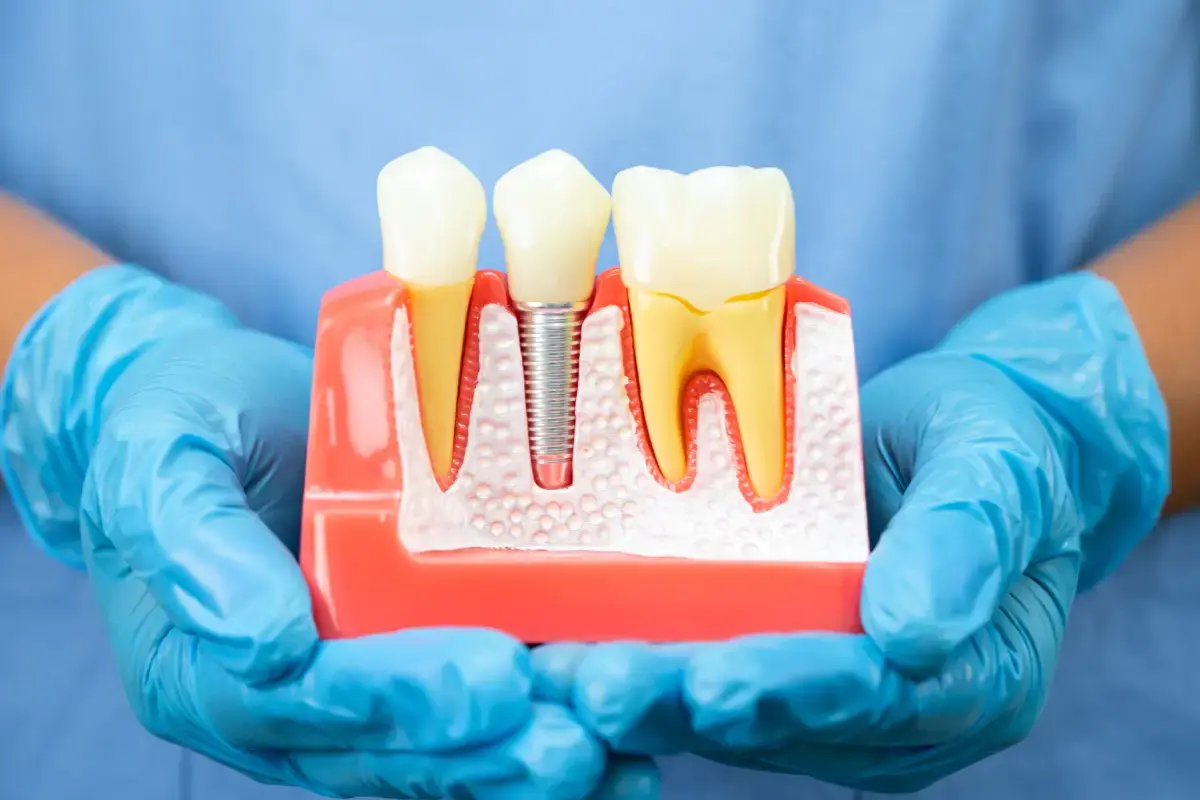
A root canal removes the damaged or infected tissue from inside a tooth and seals the space to prevent future infection. Once that’s done, the tooth no longer has an active nerve, so the way it senses things is different from a natural tooth. That doesn’t mean the tooth is invincible, though. In some cases, a previously treated tooth may develop new problems over time and require endodontic retreatment to address recurring infection or restore its long-term health. It can still be affected by:
A root canal removes the damaged or infected tissue from inside a tooth and seals the space to prevent future infection. Once that’s done, the tooth no longer has an active nerve, so the way it senses things is different from a natural tooth. That doesn’t mean the tooth is invincible, though. It can still be affected by:
- New decay developing around or beneath an old filling or crown
- A crack that has formed in the tooth structure over the years
- A breakdown in the seal from the original treatment, allowing bacteria back in
- Gum recession exposing the root surface to sensitivity
- Bite changes over time that put extra pressure on the tooth
Since root-canal-treated teeth don’t have the same nerve sensitivity as untreated teeth, symptoms often show up differently. Instead of sharp pain, you might notice pressure, a change in bite feel, or mild recurring discomfort rather than the intense pain that originally sent you in for treatment.
Common Old Root Canal Symptoms Worth Paying Attention To
Because a treated tooth doesn’t respond to temperature or pressure the way it used to, the warning signs can be subtle. Some things to keep an eye on include:
- Tenderness when chewing or biting on that specific tooth
- Swelling or a small bump on the gum near the tooth
- A dull ache that comes and goes without an obvious trigger
- Discoloration of the tooth compared to those around it
- A feeling that the tooth is “loose” or sits differently than before
- Occasional drainage or an unusual taste near that area
Individually, these symptoms might seem minor, but together they can point to root canal failure signs that shouldn’t be ignored.
Why the Tooth Might Feel Different Without Obvious Pain
One of the more confusing parts of this situation is that a tooth can feel different without causing significant pain. Because the original nerve tissue was removed, the tooth may not send out strong pain signals even if something is developing underneath the surface. This is part of why regular dental checkups and X-rays matter, even for a tooth you assume is “done” and taken care of.
A tooth feels different for a reason, even a subtle one, and that reason is worth identifying rather than dismissing.
If a previously treated tooth has started feeling off, it’s worth getting it looked at sooner rather than later. Contact us and we’ll help you understand what’s happening.
What Happens If the Issue Is Left Alone
If new decay, a crack, or a breakdown in the seal goes unaddressed, bacteria can find their way back into the tooth or the surrounding bone. Over time, this can lead to infection, bone loss around the root, or discomfort that becomes more noticeable and harder to manage. What starts as a minor change in sensation can progress into a more serious issue if it’s left unchecked for too long.
The reassuring part is that many of these situations are very treatable, especially when caught early through routine dental visits or prompt attention to new symptoms.
How These Situations Are Typically Addressed
When a previously treated tooth shows signs of trouble, the first step is figuring out exactly what’s going on through a clinical exam and detailed imaging. From there, treatment depends on the cause. Some cases can be managed with a new restoration or crown if the seal has broken down. Others, particularly when infection has returned or persisted, may call for retreatment of the tooth to clean out the area and reseal it properly, giving the tooth another opportunity to heal and function normally.
Retreatment is a well-established option specifically designed for teeth that need a second look after root canal therapy, and it can often save a tooth that might otherwise need to be removed.
Regular Checkups Still Matter After Root Canal Treatment
It’s easy to assume that once a tooth has had a root canal, it’s permanently taken care of. In most cases, that treatment does last for many years or even a lifetime. But like any dental work, it benefits from ongoing monitoring. Routine exams and X-rays allow your dental team to catch small changes before they turn into bigger problems, which is especially helpful for teeth that no longer send out strong pain signals on their own.
Restoring Comfort to Your Treated Tooth With Us
A change in how a treated tooth feels years later isn’t something to brush off, even when the discomfort seems mild. At Synergy Endodontics, Dr. David Z. Li and our team specialize in identifying exactly what’s causing those old root canal symptoms and finding the right path forward, whether that’s a simple restoration or a more thorough retreatment. We’re glad to support patients across Palmdale and Palm Desert, CA, with the specialized care that keeps previously treated teeth healthy for the long run. Request an appointment today and let’s find out what your tooth is trying to tell you.