You had a crown placed years ago, maybe even a decade back, and everything seemed fine. Then, out of nowhere, you start noticing pain or sensitivity in that exact tooth again. It’s a confusing situation, since a crown is supposed to protect a tooth long-term, so how could a problem suddenly appear underneath it? The truth is, needing a root canal after crown placement, sometimes many years later, is more common than most people expect, and there are clear reasons why it happens.
If you’re dealing with pain in a tooth that already has a crown or previous root canal, contact Synergy Endodontics and our team can determine exactly what’s happening and whether specialized treatment for previously treated teeth is the right path forward.
Why Would a Tooth Need a Root Canal Years After Getting a Crown?
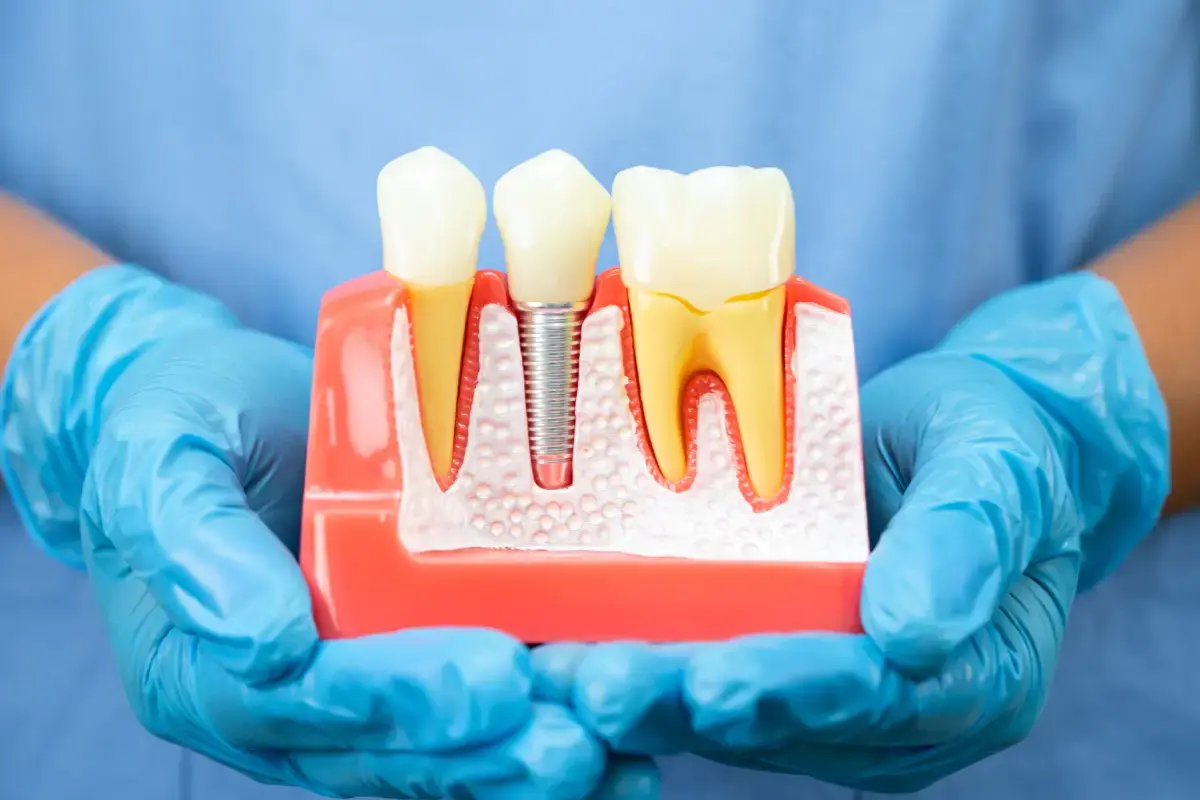
A crown covers and protects the visible portion of a tooth, but it doesn’t make the tooth immune to problems developing underneath it. Several things can happen beneath a crown over time, even if it seemed fine for years:
- New decay at the crown’s margin: Over time, the seal between a crown and the natural tooth can weaken slightly, creating a tiny gap where bacteria can slip in and cause decay that isn’t visible from the outside.
- A previously undetected crack: A hairline crack may have been present when the crown was placed, or developed afterward, slowly allowing bacteria to reach the tooth’s nerve over the years.
- Delayed nerve damage: Trauma from the original dental work, such as a deep filling, can cause the nerve to become inflamed or die off gradually, sometimes taking years to become symptomatic.
- Trauma after the crown was placed: A blow to the mouth, teeth grinding, or repeated biting pressure over time can eventually affect the nerve inside a crowned tooth, even without visible damage to the crown itself.
Why Tooth Pain Under a Crown Can Be Confusing
Tooth pain under a crown is often harder to pinpoint than pain in a natural, uncovered tooth, since the crown itself isn’t the source of the problem. This can lead people to wonder if the pain is even coming from that tooth at all. In reality, the crown is simply sitting on top of a tooth that’s developed an issue underneath, and the discomfort is your body’s way of signaling that something needs attention below the surface.
Signs of an Infected Tooth Under a Crown
Since you can’t see what’s happening beneath a crown, it helps to know the signs that suggest an infected tooth under a crown might be developing:
- Lingering sensitivity to hot or cold that doesn’t fade quickly
- Pain when biting down or chewing on that specific tooth
- Swelling or tenderness in the gum near the crowned tooth
- A small bump on the gum that resembles a pimple
- A dull, persistent ache that seems to come from deep within the tooth
If you’re noticing any of these, especially pain that’s new or worsening, it’s worth having the tooth evaluated rather than waiting to see if it resolves.
Could This Be a Failed Root Canal?
If the crowned tooth already had a root canal done before the crown was placed, new pain years later could point to a failed root canal rather than a brand-new issue. Root canals are highly successful overall, but in some cases, they can fail over time due to new decay reaching previously treated canals, a crack developing in the root, bacteria that were never fully eliminated during the initial procedure, or a delayed complication that wasn’t apparent right away. When this happens, the tooth may need to be reopened and retreated, since leaving the issue unaddressed usually allows the infection to progress.
What Does Endodontic Retreatment Involve?
Endodontic retreatment is essentially a second attempt to clean out and resolve an issue inside a tooth that has already had root canal therapy in the past. The crown typically stays in place if possible, with an opening made through it to reach the canals underneath, though in some cases the crown may need to be removed and replaced afterward. The previous filling material inside the canals is carefully removed, the canals are thoroughly cleaned and disinfected again to address any bacteria or infection that has developed since the original treatment, and then everything is resealed, allowing the crown to continue functioning normally.
This approach allows many patients to keep their natural tooth rather than moving straight to extraction, even when a problem develops well after the original treatment. If you’re dealing with pain in a tooth that already has a crown or previous root canal, contact Synergy Endodontics and our team can determine exactly what’s happening and whether retreatment is the right path forward.
Don’t Ignore Pain in a Crowned Tooth
Pain in a tooth you thought was already resolved can be frustrating, but it doesn’t necessarily mean the tooth is beyond saving. At Synergy Endodontics, our endodontic retreatment services are focused specifically on addressing issues that develop under crowns or after a previous root canal, giving your natural tooth another chance. If you’re in the Palm Desert area and dealing with unexpected pain in a crowned tooth, visit our dental office so we can get to the bottom of it.
Frequently Asked Questions
1. Can a tooth need a root canal even years after a crown was placed?
Yes, new decay, cracks, or nerve damage can develop underneath a crown well after it was originally placed, sometimes leading to the need for a root canal or retreatment years later.
2. How do I know if pain under my crown means an infection?
Signs like lingering sensitivity, pain when biting down, gum swelling, or a small bump on the gum near the tooth can all point to an infection developing underneath the crown.
3. What’s the difference between a first-time root canal and endodontic retreatment?
Retreatment is performed on a tooth that has already had a root canal in the past but is experiencing new or persistent issues, requiring the canals to be reopened, cleaned, and resealed again.
4. Will I need a new crown after endodontic retreatment?
Not always. In many cases, the existing crown can be accessed and reused, though if it’s damaged during the process, a new crown may be recommended afterward.
5. What happens if a failed root canal isn’t retreated?
Without retreatment, the underlying infection typically continues to progress, which can eventually lead to more significant pain, bone loss around the tooth, or loss of the tooth entirely.