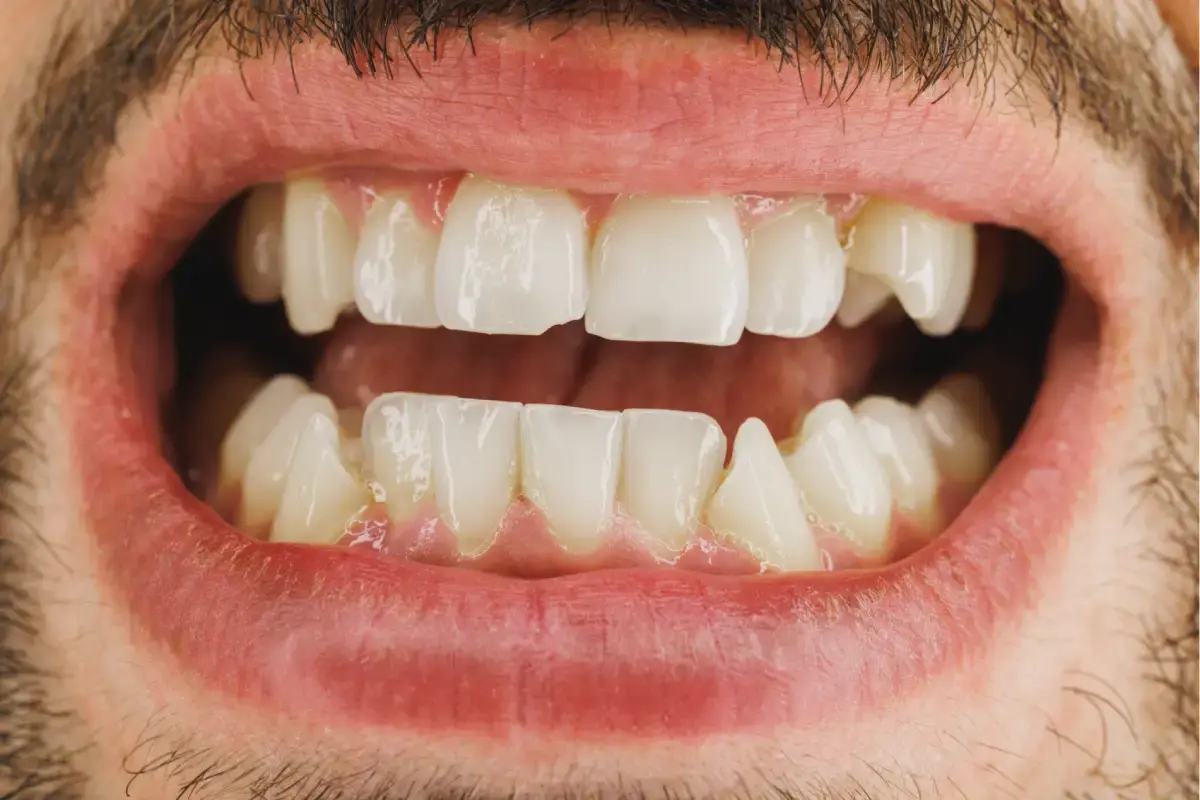
Most people assume a cracked tooth would be obvious, a visible chip, a jagged edge, maybe even a piece that breaks off entirely. But that’s not always how it happens. Sometimes a tooth develops a crack so fine that you can’t see it, feel it right away, or even catch it on a routine glance in the mirror. You might just notice an odd twinge now and then and brush it off as nothing.
This is actually more common than most people realize. At Synergy Endodontics, we see patients regularly who had no idea their tooth was cracked until the discomfort became hard to ignore. A cracked tooth doesn’t always announce itself the moment it happens, and that’s exactly what makes it tricky to catch early.
Let’s look at how this happens, what a hidden cracked tooth might feel like, and why it’s worth paying attention to those subtle signals.
How a Tooth Can Crack Without You Noticing
Teeth are strong, but they’re not indestructible. Cracks can form gradually from repeated stress or happen suddenly from a single event. Common causes include:
- Chewing on ice, hard candy, or popcorn kernels
- Grinding or clenching your teeth, especially at night
- A blow to the face or mouth during sports or an accident
- Large fillings that have weakened the remaining tooth structure
- Age-related wear, since teeth naturally become more brittle over time
A hairline tooth crack can be so thin that it doesn’t show up on a visual exam and sometimes doesn’t even appear clearly on an X-ray. It may only affect the outer enamel at first, which means there’s no visible damage and no immediate pain, even though the crack is very real.
What a Hidden Crack Might Feel Like
Since you can’t always see it, a cracked tooth often shows up through sensation rather than appearance. Some of the more common cracked tooth signs include:
- A sharp pain when you bite down, followed by pain when you release the bite
- Sensitivity to hot or cold that comes and goes unpredictably
- Discomfort that’s hard to pinpoint to one specific tooth
- Mild soreness after chewing that fades on its own, only to return later
- A vague feeling that “something isn’t right” with one area of your mouth
That last one is more common than people expect. Many patients describe a nagging sense that a certain tooth just feels different, even when they can’t explain exactly why.
Why These Cracks Are Easy to Miss
A few things make hidden cracks especially hard to catch early. First, the pain is often inconsistent. It might show up only when you bite at a certain angle, then disappear for days at a time. Second, the crack itself may be too small to see without specialized magnification or imaging. And third, because there’s no visible damage, it’s easy to assume nothing is actually wrong.
This inconsistency is part of what makes cracked teeth tricky, even for dental professionals. Diagnosing them often takes a closer look with specialized tools designed specifically to detect fractures that aren’t visible to the naked eye.
If you’ve noticed unexplained sensitivity or discomfort when chewing, it’s worth having it checked rather than waiting to see if it goes away. Contact us and we’ll help you get a clear answer.
Why It Matters to Catch a Crack Early
A crack that stays small and stable might not cause major problems right away. But cracks can gradually deepen over time, especially with continued chewing pressure. As a crack extends further into the tooth, it can eventually reach the inner nerve tissue, leading to more significant pain, infection, or even the risk of losing the tooth altogether.
Catching a crack while it’s still limited to the outer structure generally means simpler, more conservative treatment. Once a crack reaches the nerve, treatment tends to become more involved. This is part of why unexplained tooth discomfort is worth investigating sooner rather than later, even if the pain seems minor or inconsistent.
How Cracked Teeth Are Diagnosed and Treated
Identifying a hidden crack usually involves a combination of a detailed clinical exam, specialized imaging, and sometimes a dye or light test that highlights where a fracture runs through the tooth. Once the crack is located, treatment depends on how deep it goes and whether it has affected the nerve.
Some cracks can be managed with a protective restoration that stabilizes the tooth and prevents the crack from spreading further. Others, particularly those that have reached the inner pulp, may require more specialized treatment to relieve pain and preserve the tooth long term. The right approach really depends on the individual tooth, which is why an accurate diagnosis matters so much.
Protecting Your Smile Starts With Paying Attention
You don’t need to be paranoid about every twinge in your mouth, but persistent or unexplained discomfort, especially when biting or chewing, is worth listening to. Your teeth are pretty good at signaling when something is off, even if the visual signs aren’t there yet.
Getting Answers for Your Tooth Discomfort With Us
A cracked tooth doesn’t always look the way you’d expect, and that’s exactly why unexplained sensitivity or biting pain shouldn’t be brushed off. At Synergy Endodontics, Dr. David Z. Li and our team use specialized diagnostic tools to find fractures that aren’t visible to the eye, so you get a clear answer instead of ongoing guesswork. We’re proud to help patients throughout Palmdale and Palm Desert, CA, get to the bottom of unexplained tooth pain. Visit our dental office and let’s find out exactly what’s going on with your smile.