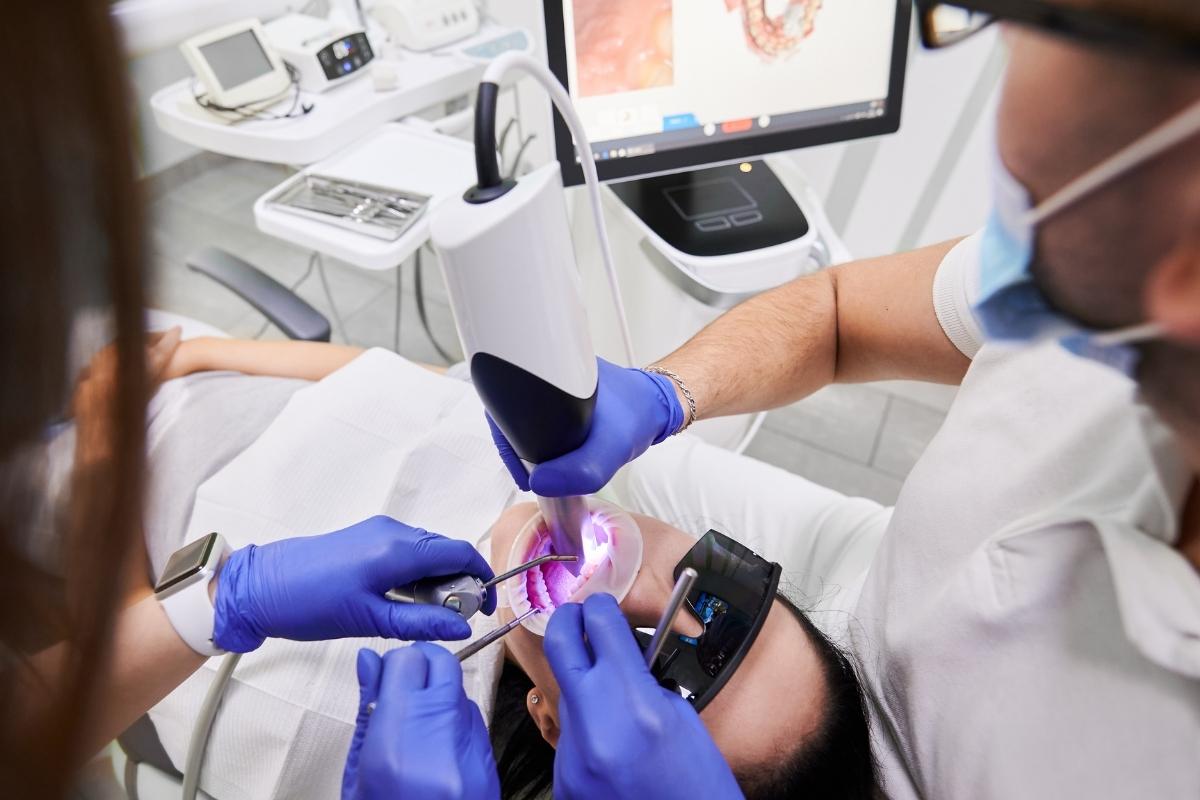
Gum health plays a vital role in protecting your teeth and overall oral wellness. If you’ve been advised to undergo gum surgery, it’s natural to wonder how long the procedure will take and what to expect. Patients searching for a Periodontist in Palmdale often want clear, reliable answers before committing to treatment. In communities like Palmdale, Lancaster, and nearby neighborhoods, understanding the timeline of gum procedures helps reduce anxiety and improve preparation. This guide breaks down procedure duration, influencing factors, and recovery so you can feel informed and confident about your next step.
Why Gum Procedures Become Necessary
Gum disease doesn’t always cause pain in its early stages. Mild symptoms like bleeding while brushing or slight swelling may seem harmless, but they can progress into more advanced conditions if untreated.
As the condition worsens, gums begin to pull away from teeth, forming pockets that trap bacteria. This can lead to infection, bone damage, and eventually tooth loss. When non-surgical treatments are no longer effective, surgical intervention becomes the most reliable way to restore oral health.
Typical Time Needed for Different Procedures
The duration of gum surgery varies depending on the type of treatment and the complexity of your case. In most situations, procedures are completed within 30 minutes to 2 hours.
Here’s a general overview:
- Deep cleaning (scaling and root planing): Around 30–60 minutes per section
- Tissue reshaping procedures: Usually about 1 hour
- Gum grafting: Typically 1–2 hours, depending on the number of teeth
- Pocket reduction techniques: Around 1–2 hours
- Bone restoration procedures: Up to 2 hours in more advanced cases
Each treatment is customized, so your dentist will provide a more precise estimate after evaluating your condition.
What Influences the Length of Treatment?
No two patients are the same, which is why procedure time can vary. Several important factors affect how long your surgery may take:
- Severity of gum disease: Advanced conditions require more detailed work
- Number of teeth involved: Treating multiple areas increases procedure time
- Type of surgical technique used: Some methods are more complex than others
- Patient anatomy and healing response: Individual differences matter
- Pre-treatment preparation: Cleanliness and gum condition before surgery
A thorough consultation ensures the treatment plan is both efficient and effective.
What Happens Before the Procedure?
Preparation is an essential part of successful gum surgery. Before your appointment, your dental provider will:
- Review your medical and dental history
- Measure gum pockets and assess tissue health
- Take diagnostic images if necessary
- Explain the procedure, benefits, and potential risks
- Provide instructions for eating, medications, and aftercare
This step ensures your treatment is tailored specifically to your needs and helps minimize complications.
Understanding the Healing Timeline
While the procedure itself may be relatively quick, healing takes longer and happens in stages.
First few days:
You may notice mild swelling, tenderness, or slight bleeding. These are normal responses and usually manageable with prescribed care.
First 1–2 weeks:
Most patients begin to feel significantly better. Soft foods and gentle oral hygiene are recommended during this time.
Weeks 3–4:
The gums continue to strengthen, and normal activities gradually resume.
Up to 3 months:
Full healing and tissue integration occur, especially for grafting procedures.
Following aftercare instructions closely plays a major role in speeding up recovery and ensuring long-term success.
Tips to Support a Smooth Recovery
A few simple habits can make a big difference after your procedure:
- Stick to soft, non-irritating foods initially
- Avoid smoking or strenuous activity
- Maintain oral hygiene as directed
- Attend all follow-up appointments
- Use prescribed rinses or medications consistently
These steps help reduce the risk of complications and promote faster healing.
When to Seek Expert Care
If you notice persistent bleeding, severe discomfort, or delayed healing, it’s important to contact a dental professional promptly. Early intervention can prevent complications and protect your results.
Working with a qualified Gum surgery specialist ensures that your treatment is performed with precision and care, especially for more advanced cases.
Conclusion
Gum surgery is a common and effective solution for treating advanced gum disease and restoring oral health. While most procedures take between 30 minutes and 2 hours, your exact timeline will depend on your individual needs and treatment plan. Recovery may take a few weeks, but the long-term benefits of healthier gums and stronger teeth make it worthwhile.
If you’re considering treatment in the Palmdale area or nearby communities, the team at Synergy Endodontics Palmdale can guide you through every step of the process. Reach out today to schedule a consultation and take the next step toward a healthier smile.