If you’ve noticed your teeth looking longer or feeling more sensitive near the gumline, you may be dealing with gum recession. This common dental concern affects many adults in Palmdale and nearby communities like Lancaster and Quartz Hill. Seeing a Palmdale periodontist early can help prevent minor gum changes from becoming serious oral health problems.
Gum recession doesn’t just affect your smile’s appearance; it can also expose vulnerable tooth roots, increase sensitivity, and raise your risk for decay or even tooth loss. In this guide, we’ll walk you through how a periodontal specialist evaluates and treats receding gums, step by step.
What Exactly Is Gum Recession?
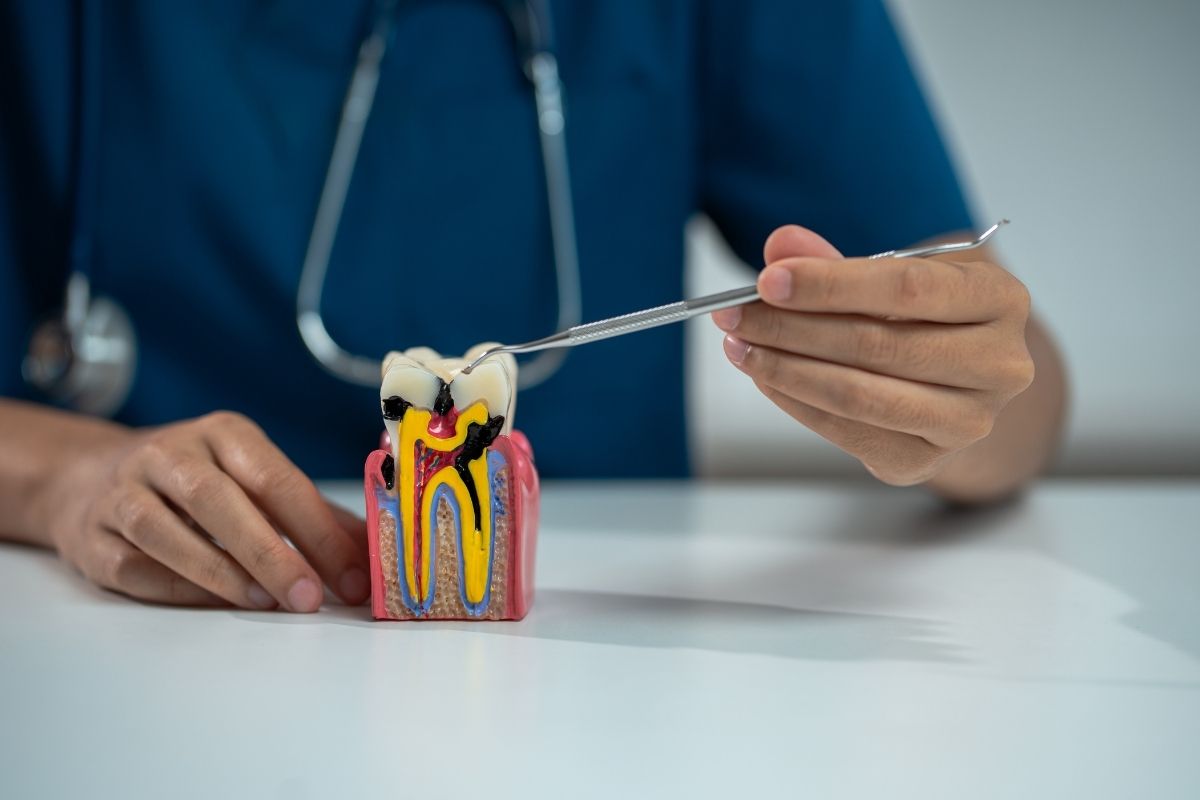
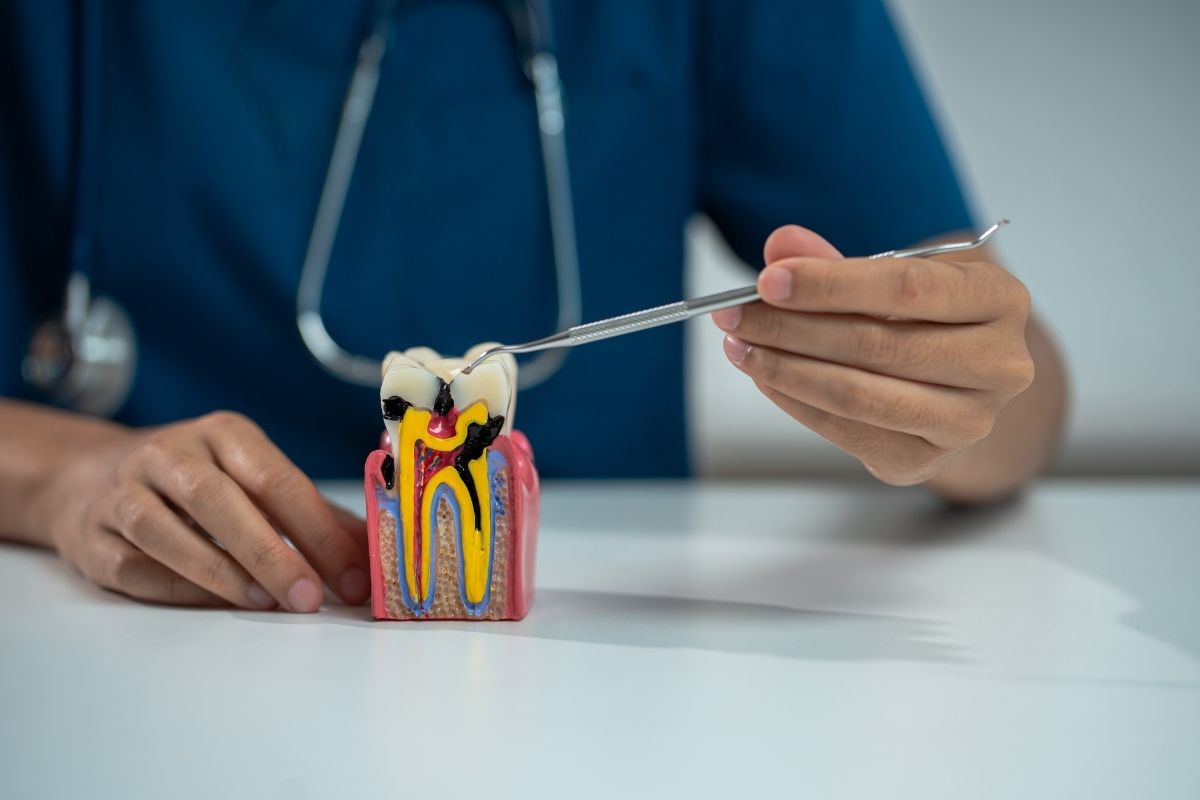
Gum recession occurs when the gum tissue surrounding a tooth pulls back or wears away, exposing more of the tooth and sometimes the root. Because roots are not protected by enamel, they are more vulnerable to:
- Tooth sensitivity to hot and cold
- Root cavities
- Plaque buildup below the gumline
- Loose teeth in advanced stages
Many patients don’t realize they have receding gums until symptoms appear. That’s why routine dental checkups are so important for early detection.
Why Do Gums Recede in the First Place?
Gum recession isn’t caused by just one factor. A periodontal evaluation helps determine the underlying issue so treatment can be tailored properly.
Common causes include:
- Gum disease (periodontitis)
- Brushing too aggressively
- Teeth grinding or clenching (bruxism)
- Misaligned or crowded teeth
- Tobacco use
- Naturally thin gum tissue
In some cases, genetics plays a role. Even patients with good oral hygiene can develop gum recession if their gum tissue is delicate or their bite places excess pressure on certain teeth.
Step 1: A Comprehensive Periodontal Evaluation
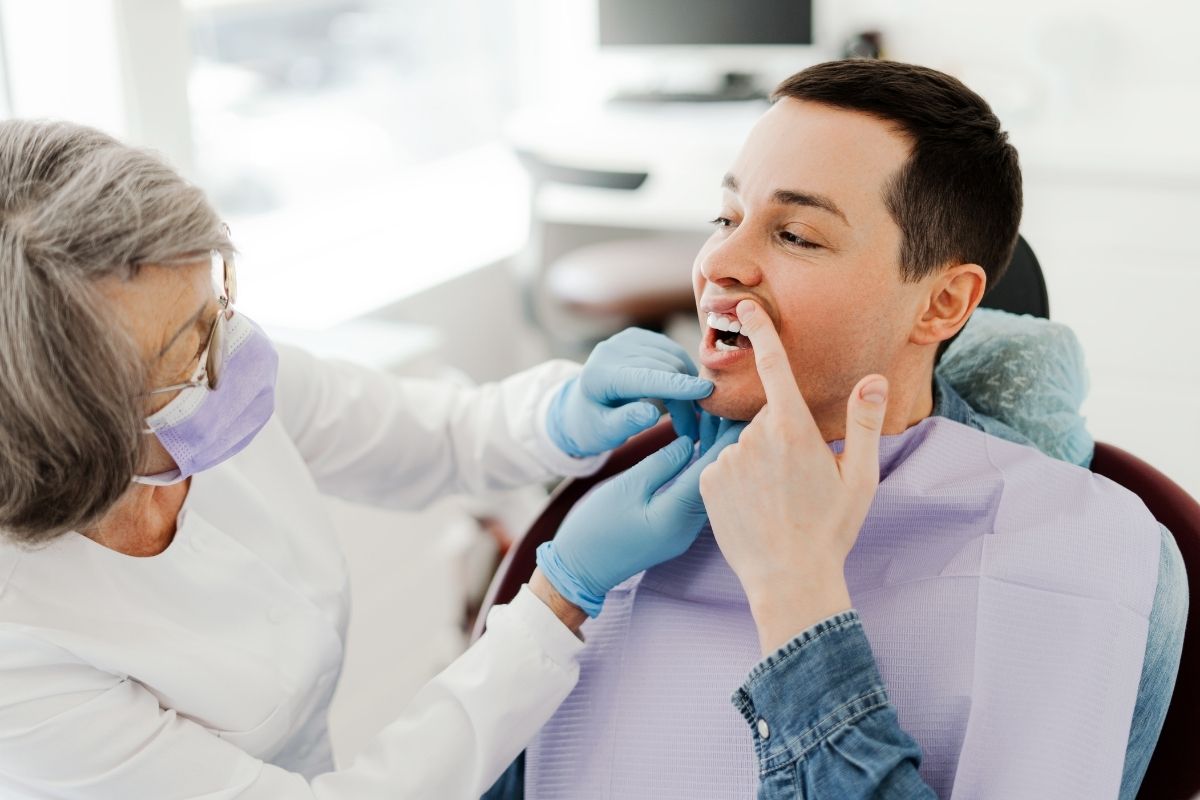
Before recommending treatment, a specialist performs a detailed exam that goes beyond a routine cleaning.
This typically includes:
- Measuring periodontal pocket depth
- Checking for bone loss around teeth
- Evaluating gum thickness and recession levels
- Assessing bite alignment and oral habits
Digital X-rays may also be taken to evaluate the supporting bone structure. This step ensures that the treatment plan addresses both the visible recession and the underlying cause.
Step 2: Stabilizing Gum Health with Non-Surgical Care
If gum recession is mild or caused by inflammation, non-surgical therapy may be recommended first.
Scaling and Root Planing
Often called a deep dental cleaning, this procedure removes plaque and tartar from below the gumline. The tooth roots are smoothed to help the gum tissue reattach more securely.
This treatment helps:
- Reduce harmful bacteria
- Decrease gum inflammation
- Prevent further tissue loss
Desensitizing Treatments
When exposed roots cause discomfort, fluoride varnish or professional desensitizing agents may be applied. Patients are often advised to use desensitizing toothpaste containing potassium nitrate or stannous fluoride at home.
These conservative approaches can successfully manage early-stage recession and prevent progression.
Step 3: Gum Grafting for Advanced Recession
When significant gum tissue has been lost, surgical treatment may be the most predictable solution. This is where a periodontist in Palmdale may recommend a gum grafting procedure.
What Is a Gum Graft?
A gum graft involves placing healthy tissue over exposed tooth roots to rebuild the gumline. The tissue may come from:
- The roof of your mouth (connective tissue graft)
- Adjacent gum tissue
- Donor tissue (in some cases)
The graft is carefully positioned and sutured into place, allowing it to integrate with your existing gum tissue.
Benefits of Gum Grafting
- Covers exposed roots
- Reduces tooth sensitivity
- Protects against root decay
- Improves smile aesthetics
- Helps prevent further bone loss
Modern techniques are minimally invasive, and many patients return to normal routines within about two weeks.
What Recovery Looks Like
After a gum graft or deep cleaning procedure, you may experience mild swelling or tenderness. Your periodontist will provide specific aftercare instructions, which may include:
- Eating soft foods temporarily
- Avoid brushing directly over the treated area
- Using prescribed antimicrobial rinses
- Attending follow-up visits
Proper healing is essential to long-term success. Following instructions carefully helps ensure the graft integrates properly and the gums remain stable.
Can Receding Gums Grow Back on Their Own?
Unfortunately, gum tissue does not naturally regenerate once it has receded. While inflammation can improve with better oral hygiene, lost tissue typically requires professional intervention.
This is why early evaluation is so important. The sooner the gum recession is addressed, the more treatment options are available and the less invasive they may be.
Long-Term Maintenance After Treatment
Treating gum recession is only part of the solution. Ongoing periodontal maintenance care is essential to protect your results.
Healthy habits include:
- Brushing gently with a soft-bristle toothbrush
- Flossing daily
- Wearing a nightguard if you grind your teeth
- Visiting your dentist every six months
- Scheduling periodontal maintenance if recommended
Patients in Palmdale, Lancaster, and surrounding areas who stay proactive with preventive care significantly reduce their risk of recurrence.
Conclusion
Receding gums are more than a cosmetic concern; they’re a sign that your gum health needs attention. From deep cleanings to advanced gum grafting, periodontal treatment can stop progression, reduce sensitivity, and protect your teeth for years to come.
If you’ve noticed changes in your gumline or increased sensitivity, the team at Synergy Endodontics Palmdale can help guide you toward the right next steps. Early care makes all the difference. Contact us today to schedule an evaluation and protect your long-term oral health.