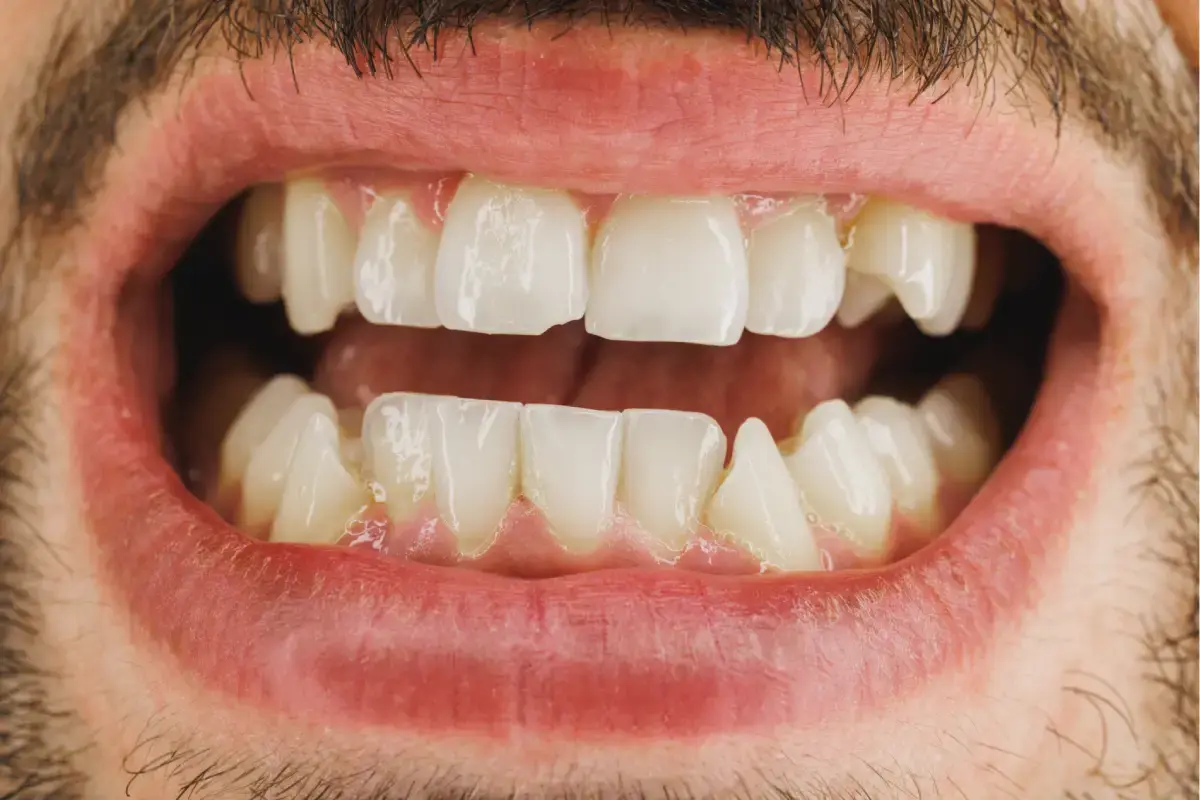
A broken tooth may seem like a small problem at first, especially if the pain is mild or temporary. However, untreated damage can lead to serious oral and overall health concerns. For patients searching for cracked teeth fixing in Palmdale, understanding the risks and acting early is essential. In Palmdale and nearby communities like Lancaster, Quartz Hill, and Rosamond, many dental emergencies begin with a small crack that worsens over time. This article explains how a damaged tooth can impact your whole body and why timely care matters.
What Causes a Tooth to Break?
Teeth are strong, but they’re not indestructible. Several everyday habits and unexpected events can lead to cracks, chips, or fractures.
Common causes include:
- Biting hard foods like ice, popcorn kernels, or hard candy
- Teeth grinding (bruxism) that gradually weakens enamel
- Large or aging fillings that reduce tooth strength
- Sports injuries or accidental trauma
- Untreated cavities that weaken tooth structure
- Sudden temperature changes from very hot to very cold foods
Sometimes, a break is obvious, especially after an injury. Other times, small fractures develop slowly and may go unnoticed until discomfort begins.
Why Even a Small Crack Shouldn’t Be Ignored
A minor chip may seem harmless. But once enamel is compromised, bacteria can enter the inner portion of the tooth known as the pulp.
This can lead to:
- Tooth infection
- Dental abscess
- Increasing pain or sensitivity
- Swelling in the gums or face
- Damage to surrounding teeth
The pulp contains nerves and blood vessels. When bacteria reach this area, infection can spread beyond the tooth itself.
That’s when a dental issue can start affecting your overall health.
How Oral Infections Can Impact the Body
Your mouth is connected to the rest of your body through the bloodstream. When an infection develops in a broken tooth, bacteria may travel to other areas if left untreated.
Here’s how that can affect your health:
Gum Disease and Bone Loss
A fractured tooth can irritate and inflame the surrounding gum tissue. Over time, this may contribute to periodontal disease, which can damage the jawbone and supporting structures of the teeth.
Advanced gum disease has been linked to:
- Tooth loss
- Chronic inflammation
- Difficulty chewing and speaking
When chewing becomes painful, patients may avoid nutritious foods, leading to dietary imbalances.
Increased Risk of Heart Complications
Research suggests that oral bacteria associated with gum infections may enter the bloodstream and contribute to inflammation in blood vessels.
Bacteria can attach to damaged areas of the heart, potentially increasing the risk of cardiovascular complications. While a broken tooth does not directly cause heart disease, an untreated infection increases the inflammatory burden in the body.
Complications for Patients with Diabetes
For individuals with diabetes, infections are harder to control and may heal more slowly.
A damaged or infected tooth can:
- Make blood sugar levels more difficult to regulate
- Increase the risk of severe infection
- Prolonged healing time
Managing oral health is especially important for diabetic patients in Palmdale and the surrounding areas.
Respiratory Concerns
Bacteria from oral infections can sometimes be inhaled into the lungs. In vulnerable individuals, this may contribute to respiratory infections such as pneumonia or bronchitis.
This risk is higher in older adults or patients with weakened immune systems.
Rare but Serious Systemic Infection
In extreme cases, an untreated dental abscess may lead to a widespread infection known as sepsis, a medical emergency requiring immediate care.
Warning signs include:
- Fever
- Facial swelling
- Difficulty breathing or swallowing
- Rapid heart rate
- Confusion or extreme fatigue
If you experience these symptoms, seek urgent medical attention.
Signs Your Broken Tooth May Be Infected
It’s important to recognize early symptoms before complications develop.
Watch for:
- Throbbing or persistent tooth pain
- Sensitivity to hot or cold
- Pain when biting or chewing
- Swollen gums
- Bad breath or unpleasant taste
- Facial swelling
- Fever
If you notice any of these signs, prompt evaluation can prevent more serious problems.
Treatment Options for a Damaged Tooth
The right solution depends on the extent of the break. After a thorough examination and digital imaging, your dentist may recommend one of the following:
Dental Bonding
For minor chips, tooth-colored composite bonding can restore appearance and protect exposed enamel.
Tooth-Colored Filling
Small fractures caused by decay may be repaired with a durable filling material that restores strength and function.
Dental Crown
A custom dental crown covers and protects a severely cracked tooth, restoring chewing ability while preventing further damage.
Root Canal Therapy
If infection has reached the pulp, root canal treatment removes infected tissue, disinfects the tooth, and seals it to prevent reinfection.
Tooth Extraction and Replacement
When damage extends below the gumline and cannot be saved, the tooth may require removal. Replacement options such as dental implants help restore function and prevent bone loss.
For patients seeking broken tooth repair in Palmdale, early intervention often means simpler, less invasive treatment.
How to Reduce Your Risk of Tooth Fractures
Prevention is always better than treatment. Here are steps you can take to protect your teeth:
- Wear a custom nightguard if you grind your teeth
- Avoid chewing ice or very hard foods
- Wear a sports mouthguard during contact activities
- Maintain regular dental checkups and cleanings
- Address cavities early before they weaken tooth structure
- Practice daily brushing and flossing
Routine exams allow your dentist to detect small cracks before they turn into emergencies.
When Is It a Dental Emergency?
Seek immediate care if you experience:
- Severe pain
- Significant swelling
- Bleeding that won’t stop
- A broken tooth with visible nerve exposure
- Signs of infection spreading
Quick treatment reduces the risk of long-term complications and protects your overall health.
Protecting Your Smile and Your Health
A broken tooth is more than a cosmetic concern; it can affect your comfort, nutrition, and even systemic health if left untreated. Acting quickly helps prevent infection, preserves your natural tooth, and protects your body from unnecessary risk.
If you’re experiencing discomfort or suspect a cracked or fractured tooth, contact our team today to schedule an evaluation. At Synergy Endodontics Palmdale, we’re committed to helping patients in Palmdale and surrounding communities maintain healthy, confident smiles. Early care makes all the difference. Don’t wait to get the attention your smile deserves.