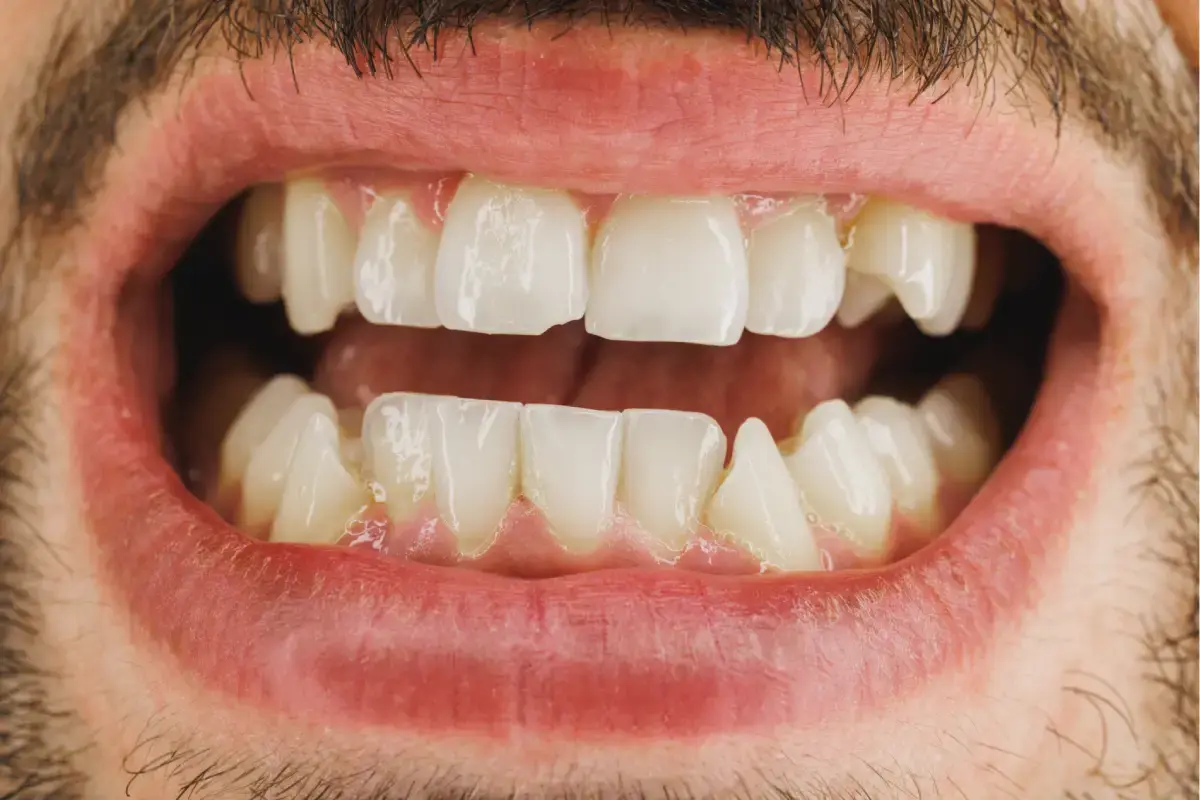
If you feel a sharp pain while chewing or notice sudden sensitivity to hot or cold drinks, you might start to question, Is this just a cavity, or could it be a broken tooth?” A broken tooth isn’t just painful; it’s a serious condition that can lead to bigger dental problems if you don’t treat it promptly.
Understanding the Causes
Everyday habits like chewing on ice, biting into hard foods, or grinding your teeth while sleeping can create small cracks in your enamel. Left untreated, these tiny fractures can grow deeper, leading to sharp pain and increased sensitivity. Tooth fractures can also result from accidental trauma, sports-related injuries, or natural wear and tear as you age.
When a tooth cracks, the damage may range from minor to severe, affecting the outer enamel or reaching deep into the pulp and root. That’s why early diagnosis is critical.
How Do You Know If You Have a Broken Tooth?
Broken teeth don’t always show visible signs. You might not see a break, but you could still feel the pain. Some of the most common cracked tooth symptoms include:
- Pain when chewing or biting
- Sensitivity to temperature
- Occasional pain that comes and goes
- Swelling around the tooth
If you notice any of these issues, schedule an exam right away. Only a dental professional—often an endodontist—can assess the severity and recommend the proper treatment.
Can it Be Fixed?
Yes—most broken teeth can be fixed, but the type of treatment depends on the location and severity of the crack. Here are some of the most common repair options:
1. Dental Bonding
For minor cracks, your endodontist may use composite resin to seal the crack and restore function. Bonding is a quick and non-invasive option that improves the tooth’s appearance and protects it from further damage.
2. Dental Crown
If the crack is deeper or has compromised the tooth’s structural integrity, a dental crown may be necessary. Crowns cover the entire tooth, providing strength and protecting the underlying tissue.
3. Root Canal Therapy
If the crack reaches the pulp—the soft inner tissue of the tooth—you’ll likely need root canal treatment to save the tooth and relieve the pain. An endodontist will remove the damaged pulp, clean the root canals, and seal the tooth before placing a crown. This option can save the tooth and eliminate pain.
4. Tooth Extraction
Extraction might be the only option in severe cases where the crack extends below the gumline and splits the tooth. Your endodontist can then discuss tooth replacement options like implants or bridges.
Why Prompt Treatment Matters
Delaying treatment for a tooth can lead to infection, decay, or complete tooth loss. The earlier you address the issue, the more treatment options you’ll have—and the better your chances of saving your natural tooth.
Schedule Your Dental Visit Today in Palmdale
If you’re experiencing tooth pain or suspect a crack, don’t wait. The sooner you see a dental professional, the more likely you are to avoid extensive procedures. At our Palmdale office, our skilled endodontist offers state-of-the-art care to diagnose and treat teeth with precision and comfort.
Call our dental office in Palmdale today and get back to enjoying your favorite foods without discomfort.