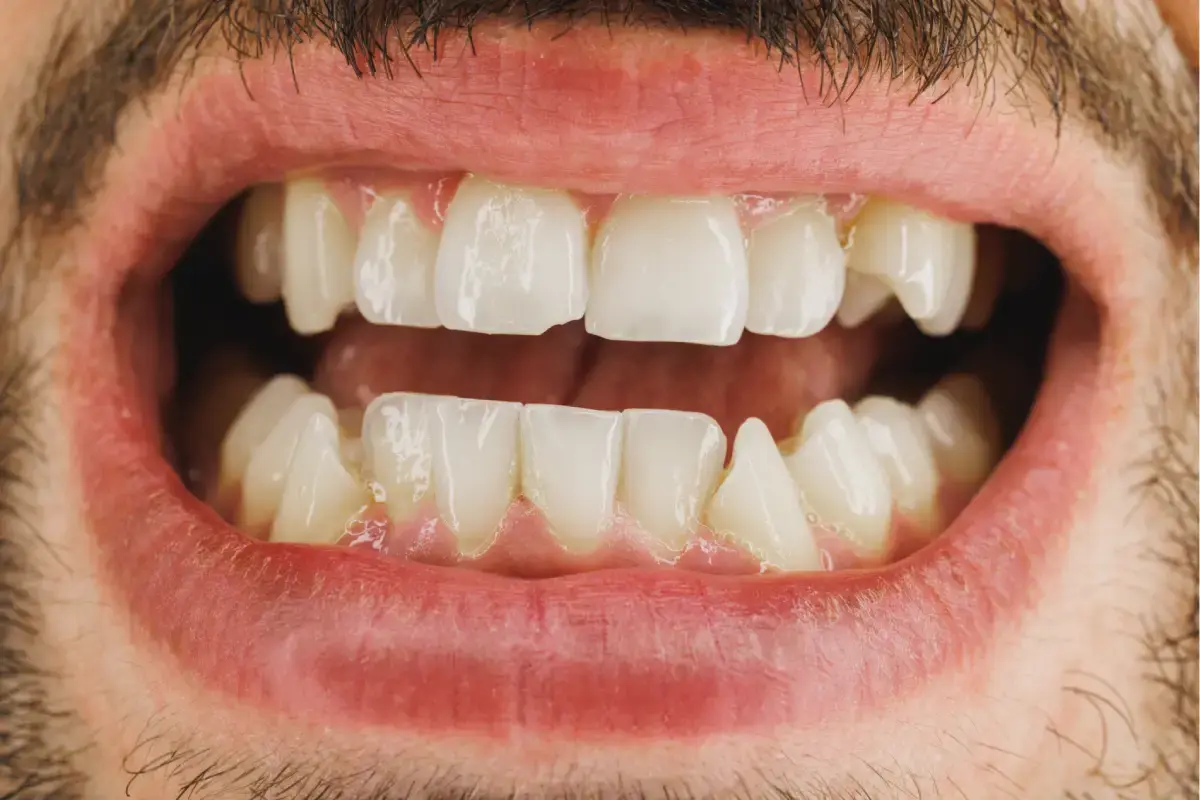
A cracked tooth is not just an inconvenience—if left untreated, it can lead to serious dental problems. Understanding the different types of cracked teeth and how they can impact your oral health is essential for taking quick action to protect your smile. Whether it’s from an accidental fall, biting down on something hard, or even just wear and tear over time, knowing how to recognize and address cracked teeth can save you from further complications.
Types of Cracked Teeth:
1. Craze Lines: The Minor Cracks
Craze lines are the most common and least concerning type of crack. These tiny, superficial cracks affect your tooth’s outer enamel and usually don’t cause pain. Typically, craze lines are simply a cosmetic issue. These cracks can develop naturally as you age or due to stress on the teeth from regular activities like chewing.
Although craze lines rarely require treatment, they sometimes signify weakened enamel or a prelude to more serious cracks. If you notice craze lines, it’s a good idea to monitor them for any changes and visit your endodontist for a checkup.
2. Fractured Cusp: When the Tooth’s Edge Breaks
A fractured cusp occurs when your tooth’s chewing surface or point breaks off. This often results from biting down on something hard like a nut or ice. It’s a more noticeable problem than craze lines because it typically leads to a piece of the tooth breaking away.
Although a fractured cusp might not immediately cause pain, it can lead to sensitivity, especially when chewing or consuming hot and cold foods. Treatment typically involves a dental filling or crown to restore the tooth’s function. If left untreated, the damage may worsen, affecting the deeper layers of the tooth.
3. Cracked Tooth: A Deeper Issue
A cracked tooth occurs when a crack extends from the top of the tooth down to its root. This type of crack can cause discomfort when chewing or biting down. The pain may come and go, and some individuals may not feel any pain. A cracked tooth is often harder to detect because the crack can be so subtle.
If left untreated, the crack can worsen, leading to infection and tooth loss. A cracked tooth typically requires a dental crown or other restorative work to prevent further damage and protect it. In more severe cases, a root canal may be necessary to save the tooth.
4. Split Tooth: A Serious Concern
A split tooth happens when a cracked tooth has progressed so far that it separates into two pieces. This type of irreversible damage usually requires the tooth to be extracted. A split tooth is often the result of long-term wear, untreated cracks, or trauma to the tooth.
The symptoms of a split tooth include severe pain, especially when chewing, and noticeable gaps between the two parts of the tooth. If you have a split tooth, your endodontist may recommend extraction to prevent the spread of infection or further damage to the surrounding teeth.
5. Vertical Root Fracture: The Hidden Threat
A vertical root fracture starts from the root and extends upward into the crown. Often, these fractures are hidden beneath the gum line and may not cause noticeable symptoms until they become serious. Vertical root fractures usually don’t cause pain unless an infection occurs.
Root fractures can be challenging to treat, and if the crack is too severe, the tooth may need to be extracted. However, if detected early, root canal therapy may save the tooth and prevent the infection from spreading.
How Cracked Teeth Affect Your Oral Health
Cracked teeth, if left untreated, can lead to a series of oral health problems, including:
- Pain and Sensitivity: Cracks can expose the sensitive inner parts of your tooth, leading to discomfort when eating or drinking.
- Infections: A crack that reaches the pulp of your tooth can allow bacteria to enter, potentially leading to an infection or abscess.
- Tooth Loss: In severe cases, cracked teeth can become so damaged that extraction is necessary.
- Alignment Issues: A cracked tooth may impact your bite and cause difficulty chewing or speaking.
Treatment Options for Cracked Teeth
The best way to address a cracked tooth is to see your endodontist when you notice symptoms. Depending on the type and severity of the crack, treatment may involve:
- Dental Bonding: For minor cracks, bonding may be enough to restore the tooth.
- Dental Crowns: A crown may be necessary to protect a cracked tooth from further damage.
- Root Canal: A root canal can help save the tooth if the crack has reached the pulp.
- Extraction: In cases of severe damage, extraction may be the only option.
Don’t Ignore a Cracked Tooth—Act Fast!
Cracked teeth can quickly escalate from minor to major dental problems. If you suspect you have a cracked tooth, don’t wait for the pain to worsen. Consult your endodontist in Palm Desert today to ensure your teeth stay healthy and functional.
Ready to treat that cracked tooth? Contact us today to schedule an appointment and get the treatment you need to protect your smile!