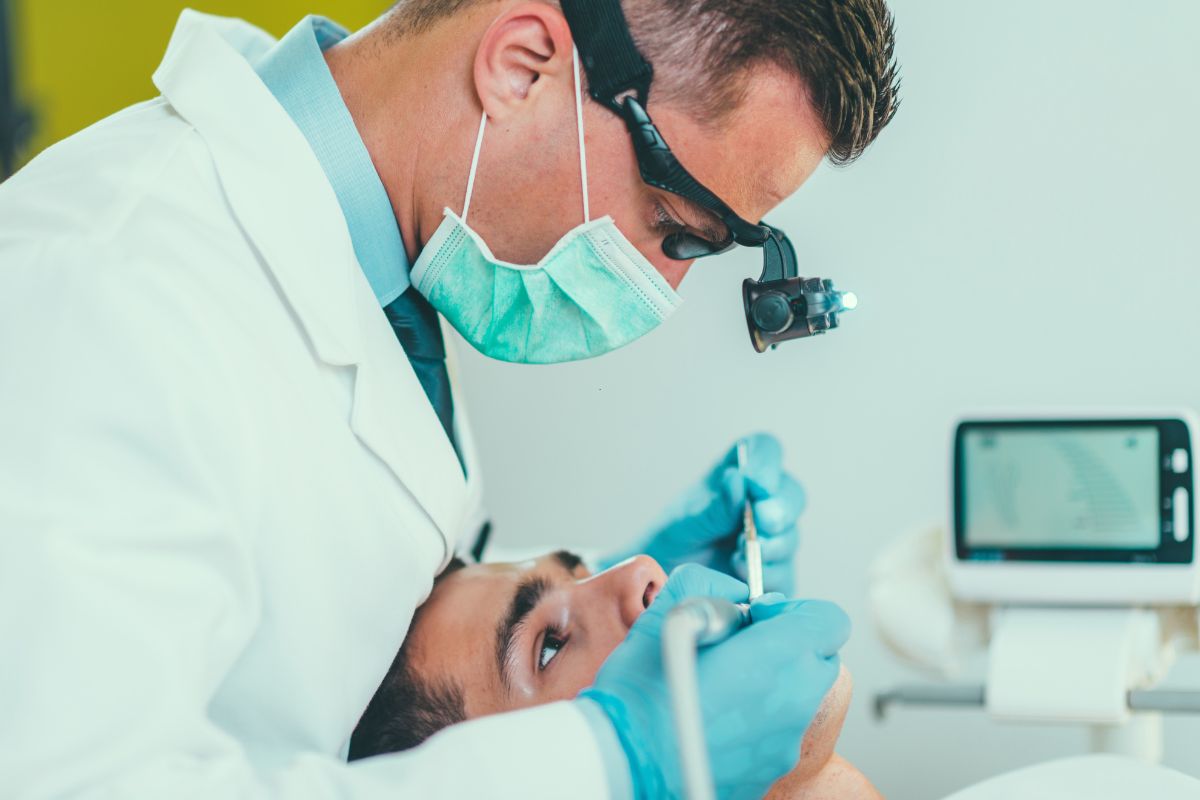
A root canal is often misunderstood, with many associating it with pain and discomfort. However, it’s a life-saving treatment that can save your natural tooth and prevent further dental issues. If your endodontist recommends a root canal, it’s essential to understand the process and what you can expect from start to finish. Let’s explore the steps involved and why there’s no need to fear this procedure.
What to Expect During a Root Canal Procedure:
Step 1: Initial Consultation and Diagnosis
Before starting, your endodontist will carefully examine your tooth and take X-rays to assess the level of damage. A root canal is typically required when the tooth pulp, which is the soft tissue inside the tooth, becomes infected due to severe decay, cracks, or injury. The endodontist will check for signs of infection, pain, or swelling and confirm whether a root canal is the best treatment option.
Step 2: Numbing the Area
On the day of the procedure, your endodontist will use a local anesthetic to numb the area around the affected tooth, ensuring your comfort throughout the entire process. You may feel a slight pinch when the anesthetic is injected, but once it kicks in, you won’t feel any pain during the treatment.
Step 3: Accessing the Tooth
Once the area is numb, your endodontist will create a small opening in the tooth’s crown to access the infected pulp. This part of the process may seem intimidating, but remember, your endodontist takes great care to ensure minimal discomfort. Your endodontist can clean out the infected tissue by accessing the inner chamber.
Step 4: Cleaning and Shaping the Root Canals
After accessing the pulp, your endodontist will gently remove the infected tissue and thoroughly clean the inside of the tooth.
They will shape the root canals to prepare them for filling, ensuring that all bacteria and debris are removed. This step helps minimize the risk of future infection. Your endodontist may use tiny instruments and an irrigation solution to flush out any remaining particles and disinfect the area.
Step 5: Filling the Tooth
Once the canals are cleaned and shaped, the endodontist will fill them with a rubber-like substance called gutta-percha. This material seals the canals, helping to prevent future infections. Once the filling is placed, the endodontist will seal the access hole with either a temporary or permanent filling, depending on the complexity of the procedure.
Step 6: Restoring the Tooth
In most cases, following a root canal, your tooth will require additional restoration, like a crown, to safeguard it from future damage. A crown restores the tooth’s strength, function, and appearance, ensuring it blends naturally with your surrounding teeth. Your endodontist will discuss the best options for restoring your tooth and schedule a follow-up appointment for the crown placement.
Step 7: Recovery and Aftercare
After the procedure, you may experience mild discomfort or sensitivity, especially when chewing or applying pressure to the treated area.
This is a common occurrence and usually subsides within a few days. Over-the-counter pain relievers can help alleviate any discomfort. Be sure to follow your endodontist’s aftercare instructions, which may include avoiding hard foods and practicing good oral hygiene.
Most patients feel much better quickly; the treated tooth should function like any other tooth. However, it is essential to monitor any unusual symptoms and follow up with your endodontist if you notice persistent pain or swelling.
Why Choose a Root Canal?
A root canal saves your natural tooth, preventing the need for an extraction. In the hands of an experienced endodontist, a root canal can offer long-lasting relief from pain and allow you to keep your tooth for years to come. If you live in Palmdale and suspect you need a root canal, don’t delay in scheduling a consultation with your endodontist.
Get the Care You Need Today
Don’t let fear stop you from getting the dental care you need. If you’re experiencing tooth pain or discomfort, reach out to your endodontist and find out if a root canal in Palmdale is the solution for you. Schedule your appointment today and start your journey toward a healthier smile!