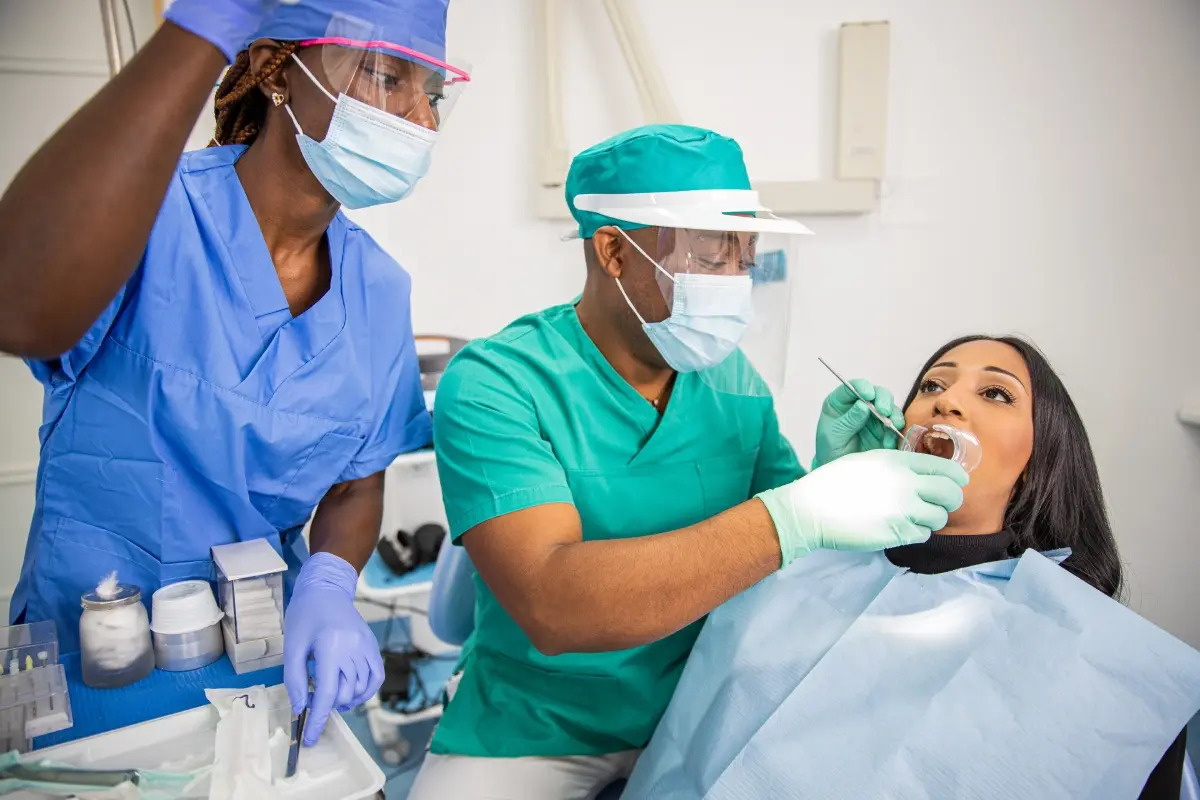
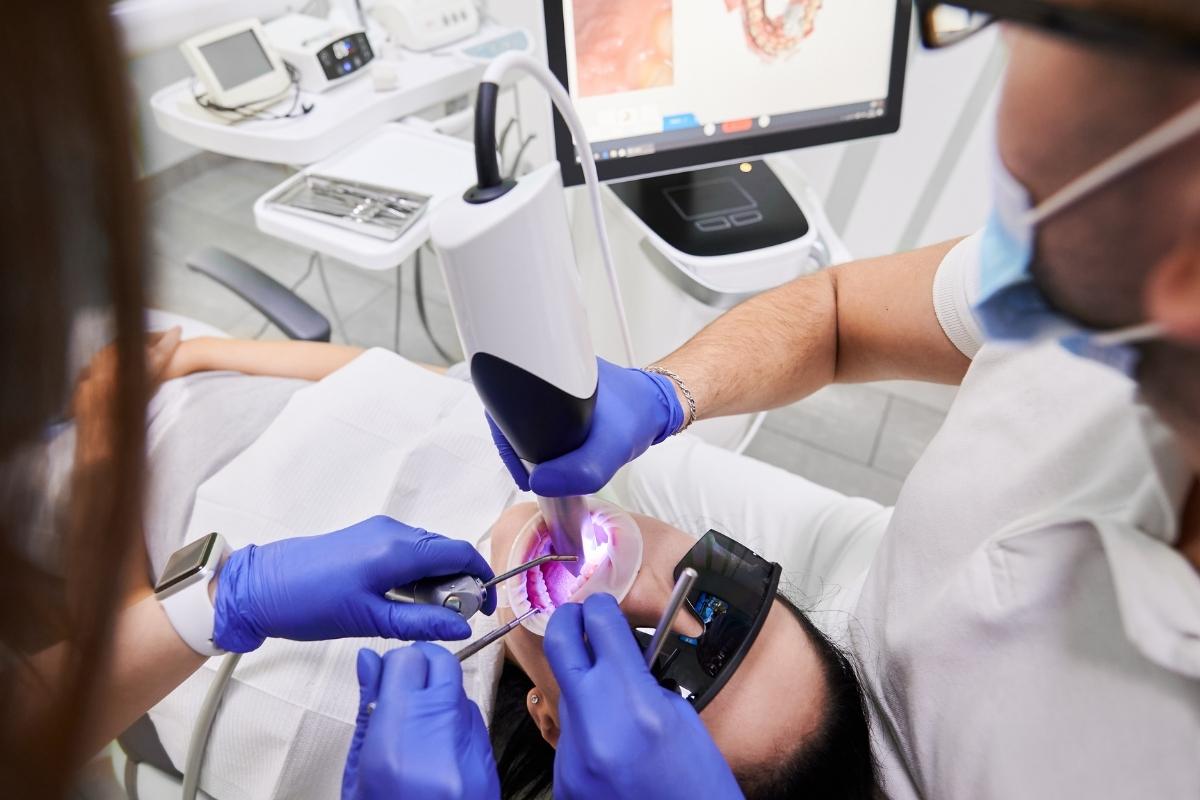
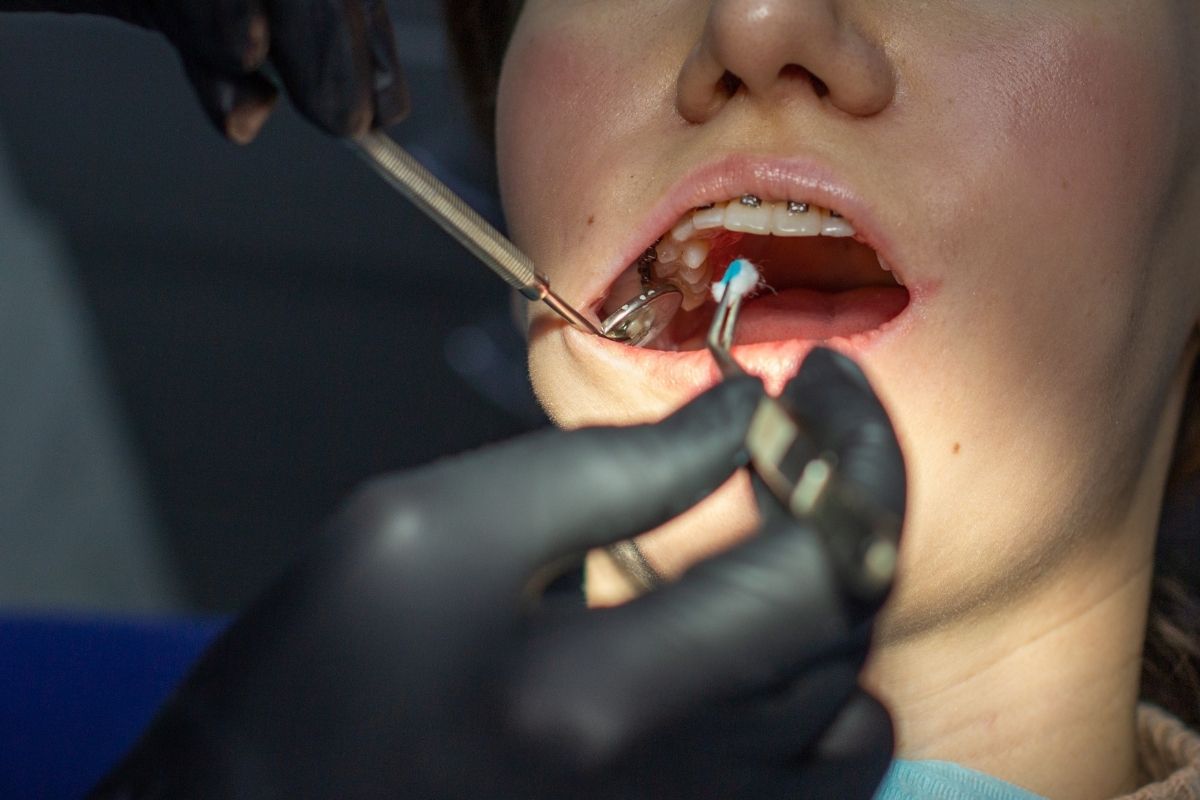
If your gums bleed when you brush or floss, you’re not alone—but it’s not something you should ignore. Bleeding gums can be an early sign of gum disease, which, if left untreated, may lead to serious oral health issues like bone loss or tooth loss. The good news? When caught early, gum problems are easily treatable, especially with help from a skilled periodontist.
Common Causes of Bleeding Gums
Bleeding gums often signal inflammation or irritation in your gum tissue. Here are the most common reasons this happens:
1. Poor Oral Hygiene
When plaque—a sticky film of bacteria—builds up along the gumline, it irritates the gums and leads to redness and bleeding. Regular brushing and flossing remove plaque before it hardens into tartar, which can only be removed by a dental professional.
2. Gingivitis (Early Stage of Gum Disease)
Gingivitis is the first stage of gum disease and one of the most common causes of bleeding gums. Symptoms include swollen, tender, or receding gums. A periodontist specializes in diagnosing and treating gingivitis before it progresses to a more severe condition known as periodontitis.
3. Brushing Too Hard
Excessive force or a hard-bristled toothbrush can injure your gums and cause bleeding. It’s best to brush gently in circular motions using a soft-bristled brush recommended by your dentist or periodontist.
4. Medications and Health Conditions
Certain medications like blood thinners, as well as health issues such as diabetes, vitamin deficiencies, or hormonal changes, can make your gums more prone to bleeding. If you suspect a health-related cause, your periodontist can work alongside your physician to find the best solution.
5. Smoking and Tobacco Use
Tobacco weakens your gum tissue and reduces your body’s ability to fight infection. It also masks symptoms of gum disease, making it harder to detect problems early. Quitting smoking significantly improves gum health and overall well-being.
When Should You See a Periodontist?
If your gums bleed consistently, it’s time to visit a periodontist—a dental specialist in treating gum disease and supporting structures of the teeth. You should schedule an appointment if you notice:
- Bleeding that continues even after improving your oral hygiene
- Persistent bad breath or a bad taste in your mouth
- Gum swelling, redness, or tenderness
- Receding gums or loose teeth
A periodontist can perform a thorough gum evaluation, measure pocket depths, and recommend treatments to restore your gum health.
How Periodontists Treat Bleeding Gums
Treatment depends on the cause and severity of your condition. Your periodontist may recommend:
1. Professional Deep Cleaning
Scaling and root planing remove plaque and tartar from below the gumline and smooth the tooth roots, allowing gums to heal and reattach properly.
2. Gum Disease Therapy
If gum disease has advanced, your periodontist may use laser therapy or localized antibiotics to eliminate infection and promote healing.
3. Surgical Options
In severe cases, surgical treatments like gum grafting or flap surgery may be needed to restore damaged gum tissue and protect the teeth.
4. Personalized At-Home Care
Your periodontist will guide you on proper brushing techniques, flossing habits, and mouth rinses to keep your gums healthy long-term.
How to Prevent Bleeding Gums
Taking simple daily steps can help prevent gum issues before they start:
- Brush twice a day, gently using a soft-bristle toothbrush.
- Floss daily to remove plaque between teeth.
- Eat a balanced diet rich in vitamins C and K for stronger gums.
- Quit smoking and limit alcohol consumption.
- Schedule regular dental and periodontal checkups every six months.
Protect Your Smile with Professional Periodontal Care
Bleeding gums may seem minor, but they often indicate the beginning of gum disease. Seeing a periodontist early can help treat the problem effectively and protect your smile for years to come.
If you’ve noticed your gums bleeding while brushing, don’t wait—schedule an appointment with your local periodontist today. Find Synergy Endodontics in Palmdale at the map for expert periodontal care that keeps your mouth healthy and your smile bright. With expert care and proper prevention, you can enjoy healthy gums and a confident, lasting smile.
Related blog: Foods That Help Your Gums Heal Faster After Surgery