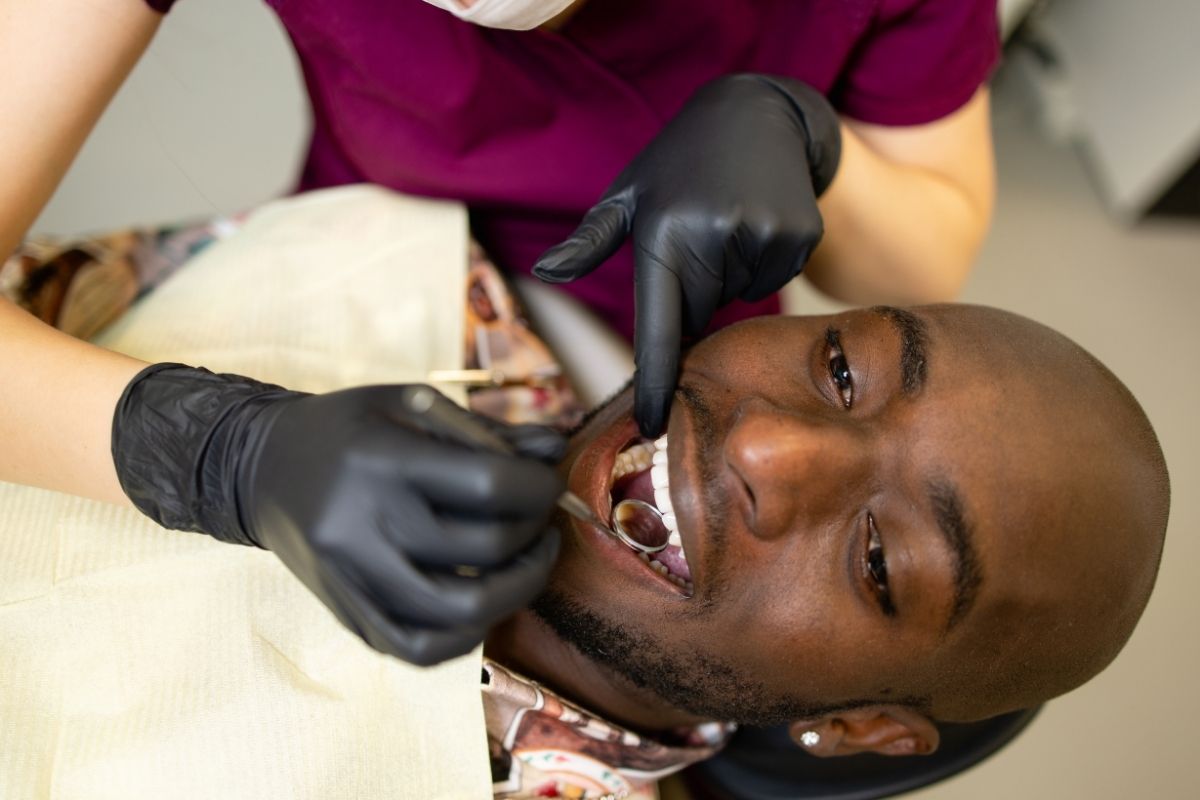
Undergoing a root canal treatment is often necessary to save a damaged or infected tooth. While many worry about pain and recovery, understanding what to expect can help ease your concerns. Root canal recovery is generally manageable, and most people return to their normal routines within a few days. Here’s what you can expect and how long it usually takes to heal after your procedure.
The Root Canal Procedure Overview
Before diving into the recovery process, it’s essential to understand the basics of a root canal. This procedure involves removing the infected or damaged pulp from inside the tooth, cleaning the area, and sealing it to prevent further infection. While the procedure sounds intimidating, modern dentistry techniques and anesthesia have made it much more comfortable than most expect.
After your root canal treatment, Palmdale residents can anticipate a smooth recovery if they follow their dentist’s aftercare instructions.
What to Expect During the First Few Days
Immediately after the procedure, you’ll likely feel some discomfort, but it’s manageable. This is normal as the tissues in the treated area heal. The pain will generally peak within the first few days and then begin to subside. Most people experience only mild to moderate discomfort, which can usually be managed with over-the-counter pain relievers.
Some swelling around the affected tooth is also common, but this usually diminishes within a few days. Applying a cold compress to the outside of your cheek can help reduce swelling and ease any pain. It’s also important to rest during the first 24 to 48 hours and avoid any strenuous activity.
The Healing Process: How Long Does It Take?
Root canal recovery typically lasts a few days to a week, but the timeline can vary depending on the complexity of the procedure and your body’s healing response. For most people, any soreness or discomfort will disappear within a week. However, if the tooth had a significant infection or if the procedure was more complicated, your recovery time may be a little longer.
Most people can return to work and resume normal activities after 2–3 days. If the discomfort lasts longer or becomes more intense, it’s important to contact your endodontist to ensure there are no complications.
Follow-Up Appointments
After your root canal treatment, your endodontist will likely schedule a follow-up appointment. This is essential to ensure that the tooth is healing properly and there are no signs of reinfection. During this visit, your endodontist may also place a permanent crown on the treated tooth, further protecting it from damage and restoring its function.
If the tooth had a large filling or was severely damaged, your endodontist might immediately recommend a crown to restore its strength and appearance. This crown helps to protect the tooth and prevent any further issues down the road.
Tips for a Faster Recovery
While the recovery process is generally smooth, there are a few things you can do to speed it up and ensure a pain-free healing process:
- Avoid Hard Foods: Stick to soft foods for the first few days after the procedure. Hard or chewy foods can pressure your treated tooth and cause discomfort.
- Practice Good Oral Hygiene: Gently brush and floss around the treated tooth to prevent infection. Just be cautious around the treated area for the first few days.
- Take Pain Relievers as Directed: If you experience pain or swelling, over-the-counter pain medications like ibuprofen or acetaminophen can help. Be sure to follow your endodontist’s instructions regarding medication.
- Don’t Smoke: Smoking can interfere with healing and may increase the risk of complications. Try to avoid smoking for at least a few days following your treatment.
When to Contact Your Endodontist
While most people experience a smooth recovery, it is essential to be aware of any signs of complications. Contact your endodontist immediately if you experience severe pain, significant swelling, or a fever after your root canal. These symptoms could indicate an infection that requires further attention.
The treated tooth might sometimes feel a bit sensitive, especially when biting down. However, if the pain worsens or doesn’t improve after several days, your endodontist may need to reassess the situation.
Root canal recovery is generally straightforward, with most people returning to regular routines within a few days. Following your endodontist’s aftercare instructions can reduce discomfort and help ensure a speedy recovery. Whether you’re undergoing a root canal treatment in Palmdale , knowing what to expect can help make the process less stressful. If you have any concerns or experience unusual symptoms, don’t hesitate to contact your endodontist for guidance.