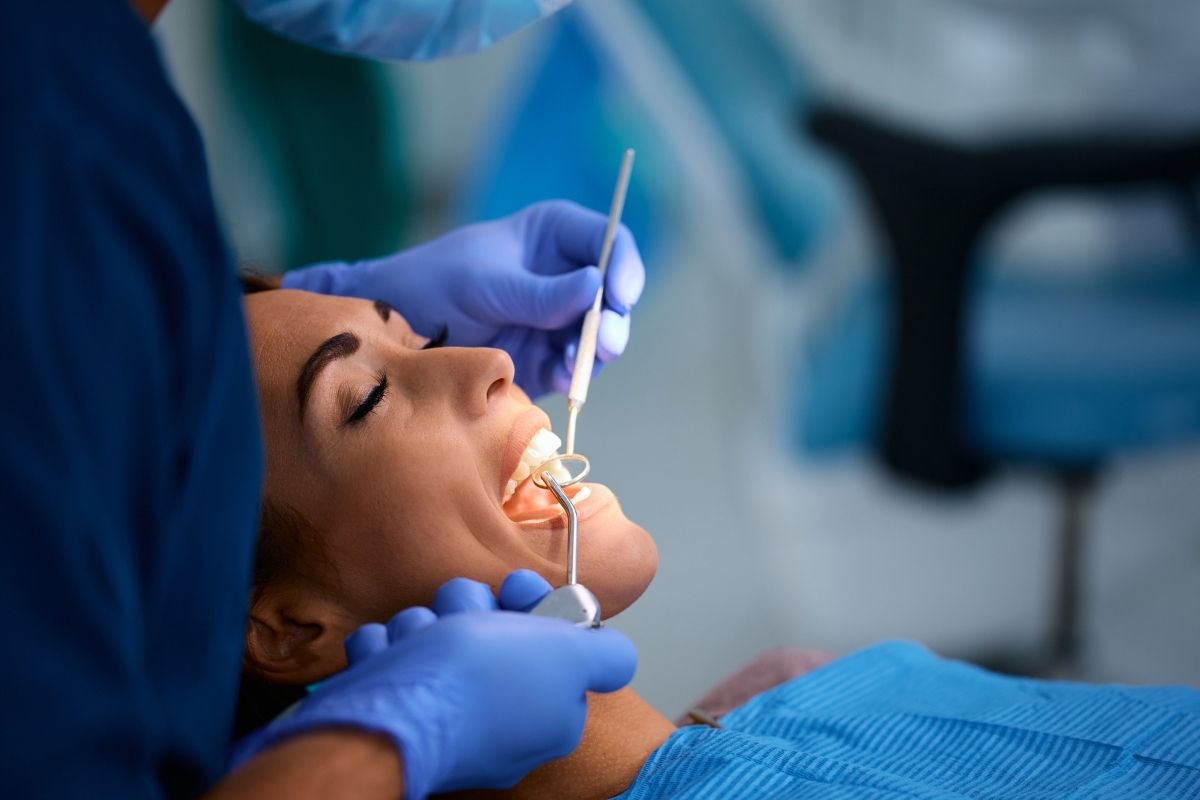
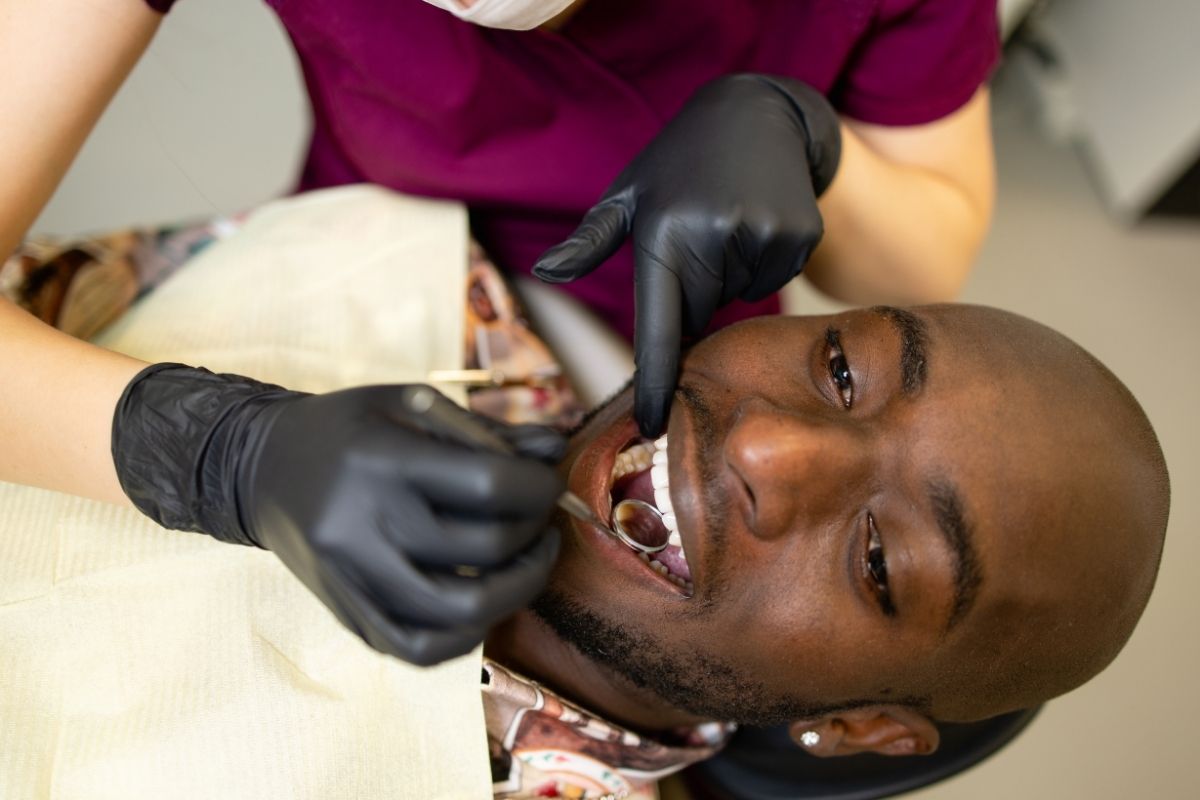
A root canal can save your cracked tooth from further damage and infection, but recovery doesn’t stop once you leave the dentist’s office. Proper post-root canal care is essential to ensure fast healing and prevent complications. Follow these tips to help your cracked tooth recover quickly and effectively.
Manage Pain and Swelling with Care
It’s normal to experience some discomfort and swelling after a root canal. To manage this:
- Use Over-the-counter Pain Relievers: Take medications like ibuprofen or acetaminophen as directed. These can help reduce both pain and inflammation.
- Apply Cold Compresses: For the first 24 hours, apply a cold compress to the outside of your cheek near the treated area. This can help minimize swelling and provide soothing relief.
- Stay on Top of Pain Management: Don’t wait for pain to worsen before taking pain medication. Stick to a schedule for the first day or two to keep discomfort under control.
Eat Soft Foods
After a root canal, your cracked tooth will be sensitive, and it’s best to avoid putting pressure on it until it has fully healed. Opt for soft foods that won’t irritate the treated area, such as:
- Applesauce, yogurt, and mashed potatoes
- Smoothies and soups
- Cooked vegetables and scrambled eggs
Avoid hard, crunchy, or sticky foods that disturb the temporary filling or cause additional stress on the tooth.
Avoid Hot or Cold Foods and Beverages
Sensitivity to hot and cold temperatures is common after a root canal. To avoid unnecessary discomfort, stick to room-temperature foods and drinks until sensitivity subsides. Cold or hot foods could aggravate your tooth, slowing the recovery process.
Maintain Proper Oral Hygiene
Good oral hygiene is crucial to avoid infection and promote healing. However, you need to be gentle around the treated area:
Brush Carefully: Use a soft-bristled toothbrush and avoid scrubbing too hard around the cracked tooth. Brush twice daily as usual, but be gentle near the affected area.
Floss with Caution: Flossing helps keep your mouth clean, but be careful not to pull too hard around the treated tooth. If you’re worried about flossing, consider using a water flosser instead.
- Rinse with Salt Water: A warm saltwater rinse can reduce bacteria and soothe the area. Mix half a teaspoon of salt into a glass of warm water and gently swish it around your mouth for about 30 seconds.
Protect Your Tooth with a Temporary Crown or Filling
Your endodontist likely placed a temporary filling or crown on your tooth after the root canal treatment to protect it until a permanent solution is applied. To keep it intact:
- Chew on the Opposite Side: This helps avoid unnecessary pressure on the temporary restoration.
- Avoid Sticky Foods: Sticky foods, such as caramel, can dislodge the temporary filling or crown.
- Schedule Your Follow-Up Appointment: Don’t delay getting the permanent crown or filling. Your tooth needs this to ensure long-term stability and protection.
Stay Hydrated
Drinking water is essential for recovery, as it helps flush away bacteria and keeps your mouth clean. Plus, staying hydrated helps your body heal more efficiently. Avoid sugary or acidic drinks that could harm your tooth enamel and slow recovery.
Monitor for Any Unusual Symptoms
While most people recover from a root canal without issues, you should keep an eye out for any unusual symptoms that might indicate a problem, such as:
- Severe Pain or Swelling: Mild discomfort is normal, but severe or worsening pain and swelling could signal an infection.
- Fever: A fever may indicate that bacteria have spread, and you might need additional treatment.
- Persistent Sensitivity: If sensitivity doesn’t improve after a few days, contact your endodontist. There may be an issue with the restoration or another part of the tooth.
Follow Up with Your Endodontist in Palmdale:
After your root canal, keep up with any follow-up appointments. Your endodontist in Palmdale will check the treated tooth to ensure it’s healing properly and will likely place a permanent crown or filling. Regular dental visits will allow your endodontist to monitor your recovery and catch any potential problems early.
Post-root canal care is essential to help your cracked tooth heal quickly and effectively. By following these steps, you can minimize discomfort and reduce the risk of complications. Remember, your endodontist is your best resource for recovery guidance, so don’t hesitate to reach out with any questions or concerns. With proper care, your tooth can regain its strength and function, helping you smile confidently once again.