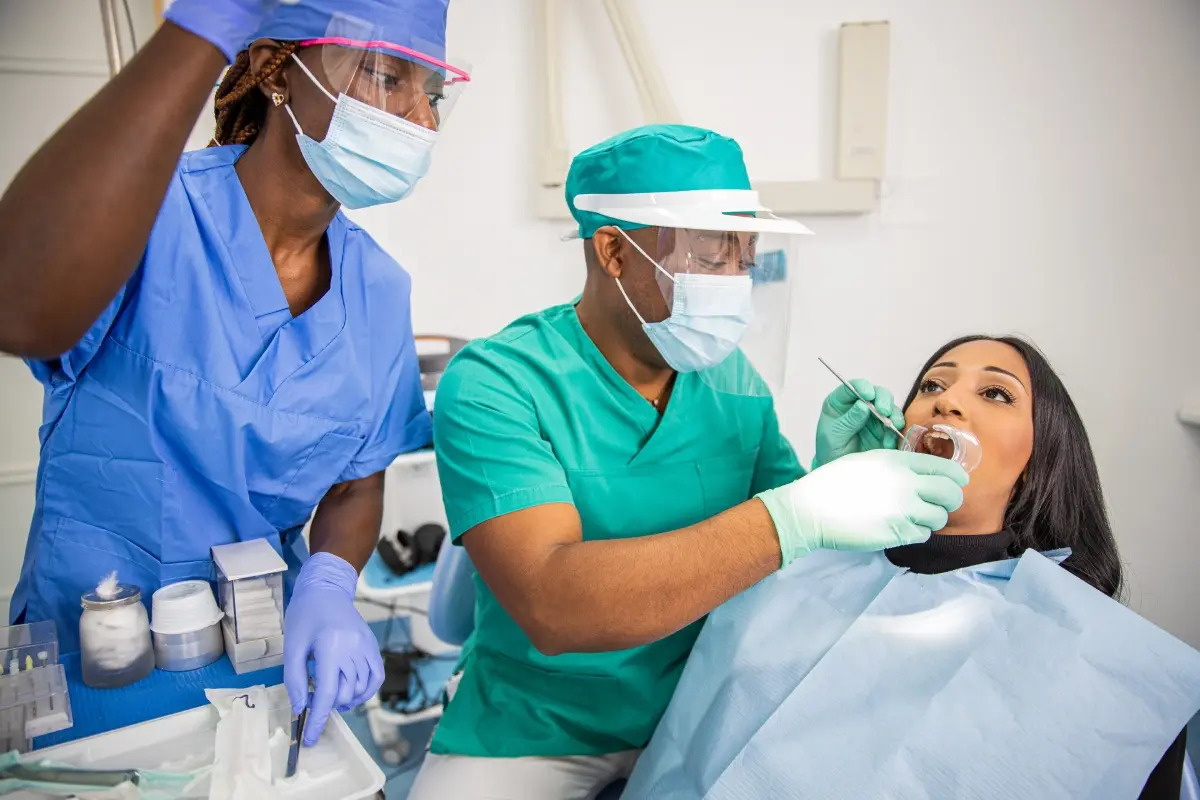
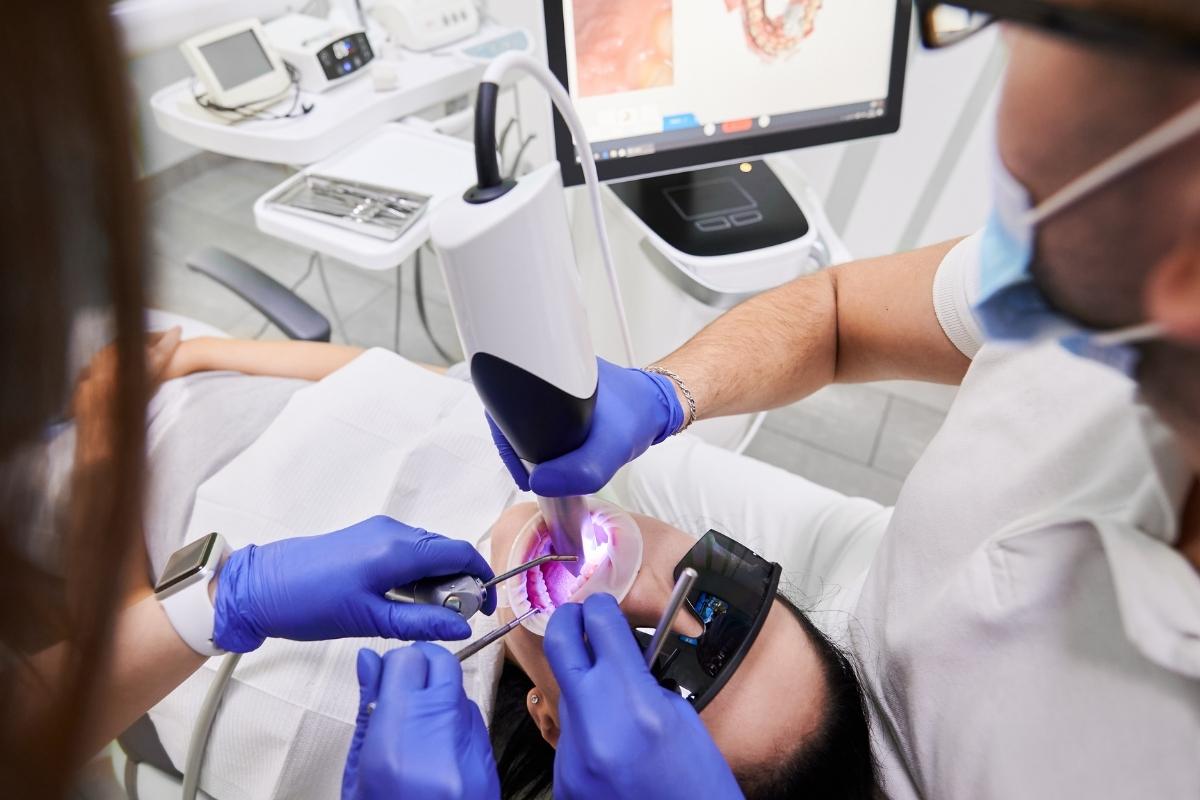
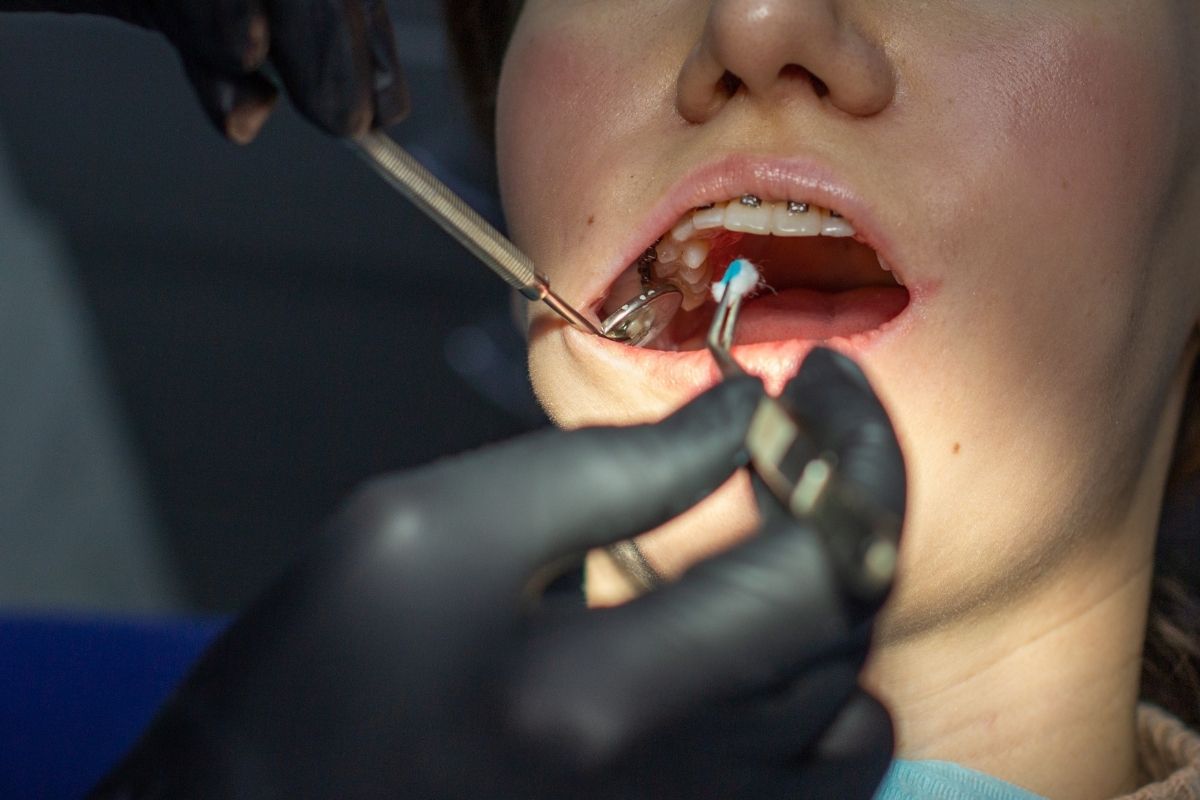
Chronic bad breath, or halitosis, can be an embarrassing and frustrating condition for many individuals. While occasional bad breath is common, persistent foul odors that linger in your mouth can indicate an underlying dental issue. One major cause of chronic bad breath is periodontal disease, which affects the gums, teeth, and supporting structures. If left untreated, it can lead to serious oral health problems and worsen halitosis. Periodontal surgery can help address this issue by treating the root causes of bad breath and improving oral health.
The Connection Between Periodontal Disease and Halitosis
Periodontal disease occurs when bacteria in the mouth build up on the teeth and gums, leading to infection and inflammation. As the disease progresses, it can cause the gums to recede, creating pockets between the teeth and gums where bacteria can thrive. These bacteria produce sulfur compounds responsible for the foul odor commonly associated with bad breath. If not adequately managed, periodontal disease can become a chronic problem that worsens halitosis over time.
Periodontal Surgery: A Solution for Chronic Bad Breath
Dentists frequently recommend periodontal surgery for patients with advanced gum disease who haven’t responded to non-surgical treatments like scaling and root planing. This surgical intervention removes infected tissue, reduces pockets, and restores gum health. By addressing the root causes of bad breath, this surgical intervention can help eliminate the bacteria that contribute to halitosis.
Types of Periodontal Surgery:
Several types of periodontal surgeries can help treat chronic bad breath caused by gum disease:
- Pocket Reduction Surgery: This surgery reduces the depth of the pockets between the gums and teeth, making it easier to remove bacteria and plaque. By shrinking the pockets, bacteria have less space to grow and cause infection, reducing bad breath.
- Flap Surgery: In this procedure, the Endodontist or periodontist makes small incisions in the gums to lift a flap of tissue, providing direct access to the underlying bone and infected gum tissue. The infected tissue is removed, and the gums are repositioned, reducing pockets and improving gum health.
- Gum Grafting: Gum grafting can help restore lost gum tissue for patients with receding gums. This procedure can prevent further exposure of the tooth roots, where bacteria thrive, and improve gum health, leading to fresher breath.
- Bone Grafting: In cases where bone loss has occurred due to severe periodontal disease, bone grafting may be necessary. Restoring the bone around the teeth helps stabilize the teeth and gums, preventing further infection and reducing bad breath.
The Benefits of Periodontal Surgery for Halitosis
Undergoing periodontal surgery offers several benefits for patients suffering from chronic bad breath:
- Eliminates the Source of Bacteria: By removing infected tissue and reducing pockets, periodontal surgery helps eliminate the bacteria contributing to halitosis, providing long-lasting relief.
- Improves Gum Health: Treating gum disease helps restore healthy gums that can better fight infection and bacteria buildup, preventing the recurrence of bad breath.
- Enhanced Self-Confidence: Patients often experience improved self-confidence and feel more comfortable in social situations once the source of bad breath is treated.
Preventing Halitosis After Periodontal Surgery
Following a proper oral care routine is crucial to maintaining fresh breath after periodontal surgery. Regular brushing, flossing, and visits to the periodontist will help keep gum disease at bay and prevent the return of bad breath. Additionally, using antimicrobial mouthwashes and staying hydrated can help reduce bacteria in the mouth and maintain optimal oral hygiene.
Chronic bad breath can indicate an underlying dental problem, such as periodontal disease. Periodontal surgery offers a practical solution by addressing the root cause of halitosis and restoring gum health. If you’re struggling with persistent bad breath, consult with a periodontist in Palmdale to determine if periodontal surgery is the proper treatment for you. You can enjoy fresher breath and a healthier mouth, which improves your gum health and reduces bacterial buildup.