Bleeding gums, persistent bad breath, or gum recession can be easy to dismiss, especially when they do not cause pain. However, smoking and other tobacco exposure can increase the risk of gum disease and interfere with the body’s response to treatment.
Understanding these effects can help you recognize warning signs and make informed decisions about your oral health in Palm Desert.
How Smoking Affects Your Gums
Gum disease begins when plaque accumulates around the teeth and triggers inflammation. Without effective daily cleaning and professional care, the condition can progress and damage the tissues and bone supporting your teeth.
Smoking increases the risk of periodontal disease and can make treatment outcomes less predictable. It may also reduce visible signs of inflammation, so your gums might not bleed as much as expected even when disease is present.
Watch for:
- Persistent bad breath.
- Gums that appear red, swollen, or tender.
- Gum recession that makes teeth look longer.
- Changes in how your teeth fit together.
- Loose teeth or changes in tooth spacing.
These signs do not confirm a diagnosis, but they should not be ignored.
Does Vaping Affect Gum Health?
Vaping is not harmless to oral tissues. Research continues to examine its long term effects, but some studies have associated e cigarette use with changes in gum health and the oral environment.
Vaping products vary in their ingredients and nicotine levels. Nicotine can affect blood vessels and normal healing processes, while other exposures may irritate oral tissues.
If you vape, tell your dental professional honestly. That information helps them understand potential risk factors and plan appropriate care.
What Happens If Gum Disease Gets Worse?
Early gum inflammation may improve with professional cleaning and consistent home care. More advanced disease can damage the supporting bone, deepen the spaces around teeth, and eventually cause tooth mobility.
In severe cases, a periodontist may recommend periodontal surgery to treat advanced gum disease to address deep pockets or damaged supporting tissues when nonsurgical treatment alone is insufficient.
Your treatment plan depends on the extent of the disease, your medical history, and your response to earlier care.
What Can You Do to Protect Your Gums?
Brush twice daily with fluoride toothpaste, clean between your teeth every day, and keep recommended dental appointments. If you smoke or vape, consider seeking support to quit. Stopping tobacco use can improve your prospects for healthier gums and better treatment outcomes.
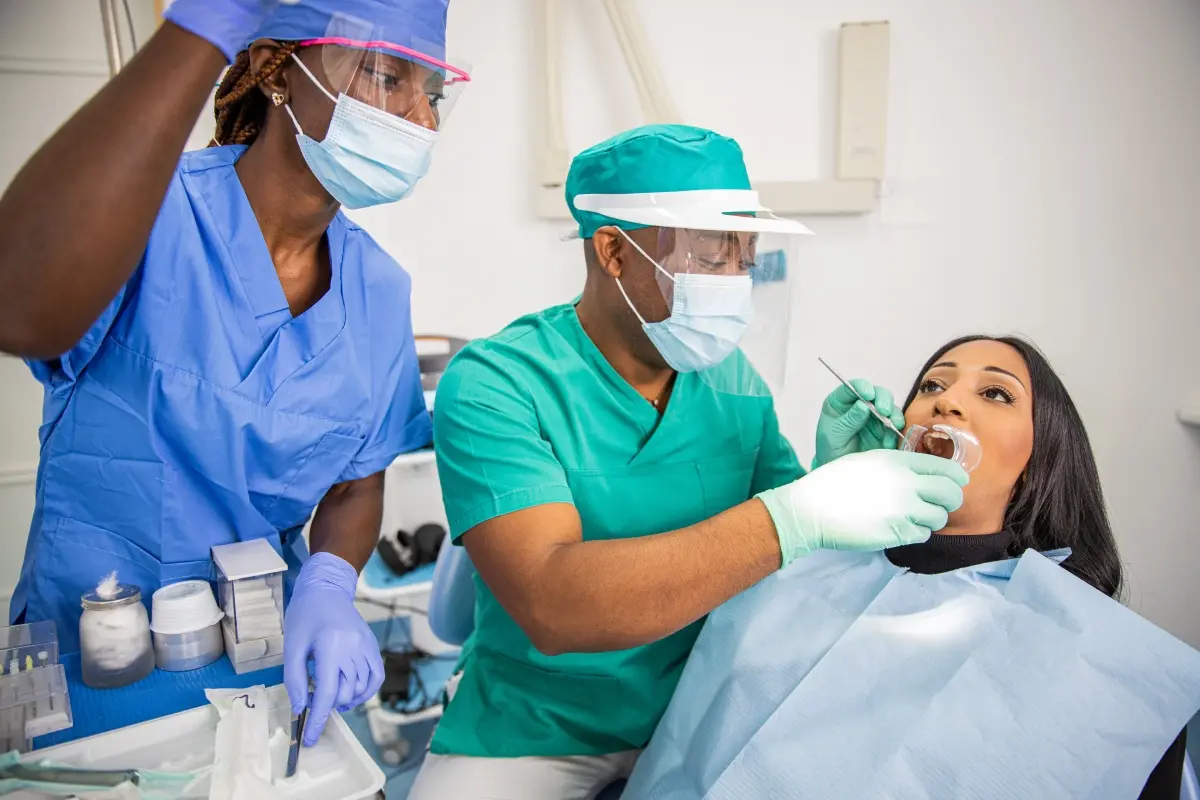
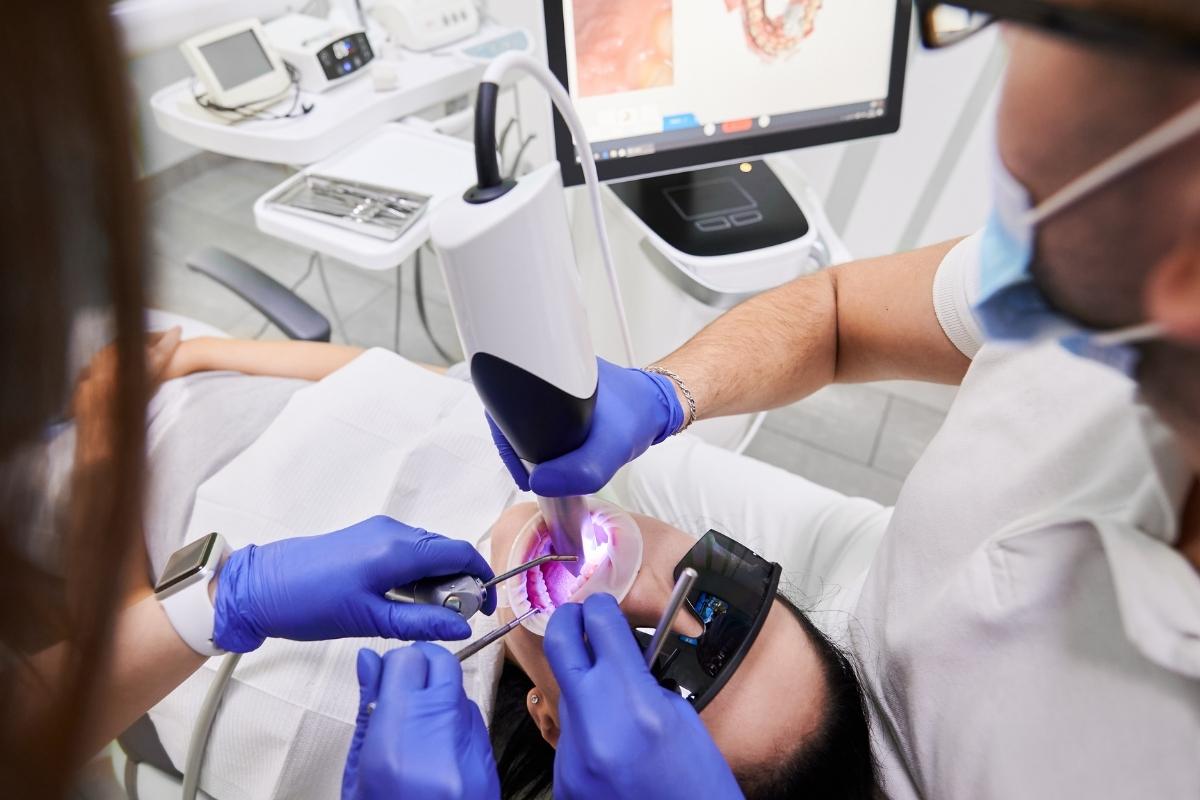
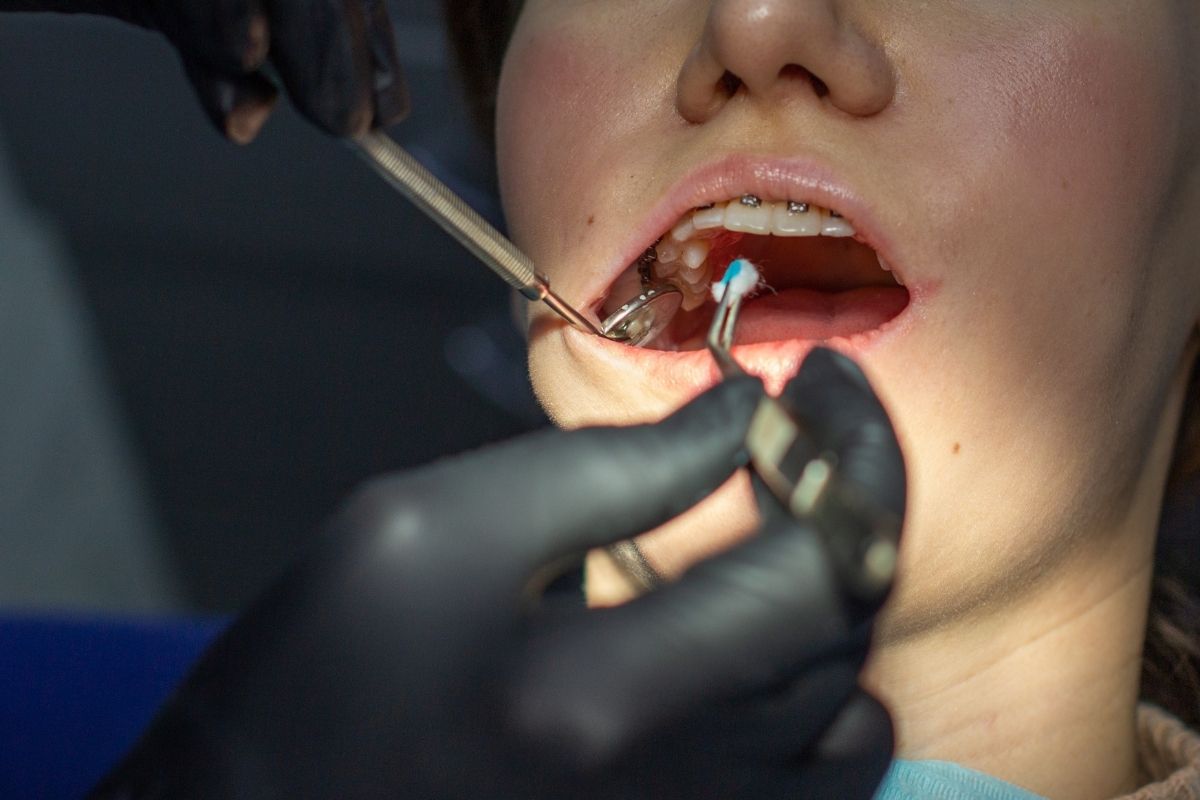
A dental professional can examine your gums, measure the spaces around your teeth, and check for signs of bone loss. Early evaluation can help identify problems before they become more difficult to manage.
Get Help Protecting Your Gum Health
Bleeding gums, gum recession, and persistent bad breath can be early signs of a problem that needs attention. A professional evaluation can help identify the cause and determine the right next steps.
Get directions to Synergy Endodontics in Palm Desert, California for your visit.
If you are concerned about changes in your gums, request an appointment with Synergy Endodontics to discuss your symptoms and arrange an evaluation.
Frequently Asked Questions
1. Can smoking cause gum disease even if my gums do not bleed?
Yes. Smoking can mask gum inflammation by reducing visible bleeding, so gum disease may progress without obvious warning signs.
2. Is vaping bad for your gums?
Vaping may affect gum health and oral tissues. Research is ongoing, but avoiding vaping is the safer choice for your oral health.
3. Can gum disease improve after quitting smoking?
Quitting smoking can improve healing and support better gum treatment outcomes, although existing bone loss may not reverse on its own.
4. What are the early signs of gum disease in smokers?
Early signs may include persistent bad breath, gum recession, tender gums, and changes in how your teeth fit together. Smoking can make bleeding less noticeable.
5. When should I see a dentist for gum problems?
Arrange an evaluation if you notice persistent bad breath, gum recession, swelling, or loose teeth. Early assessment can help prevent further damage.