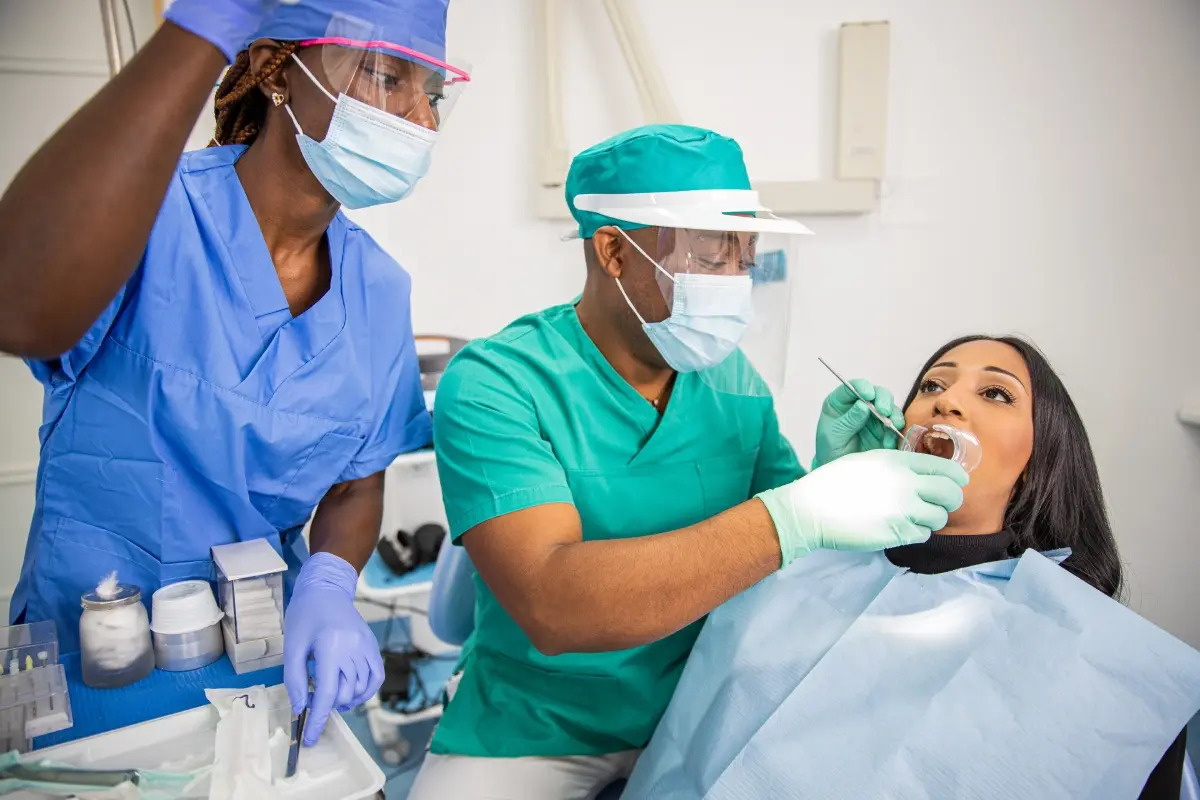
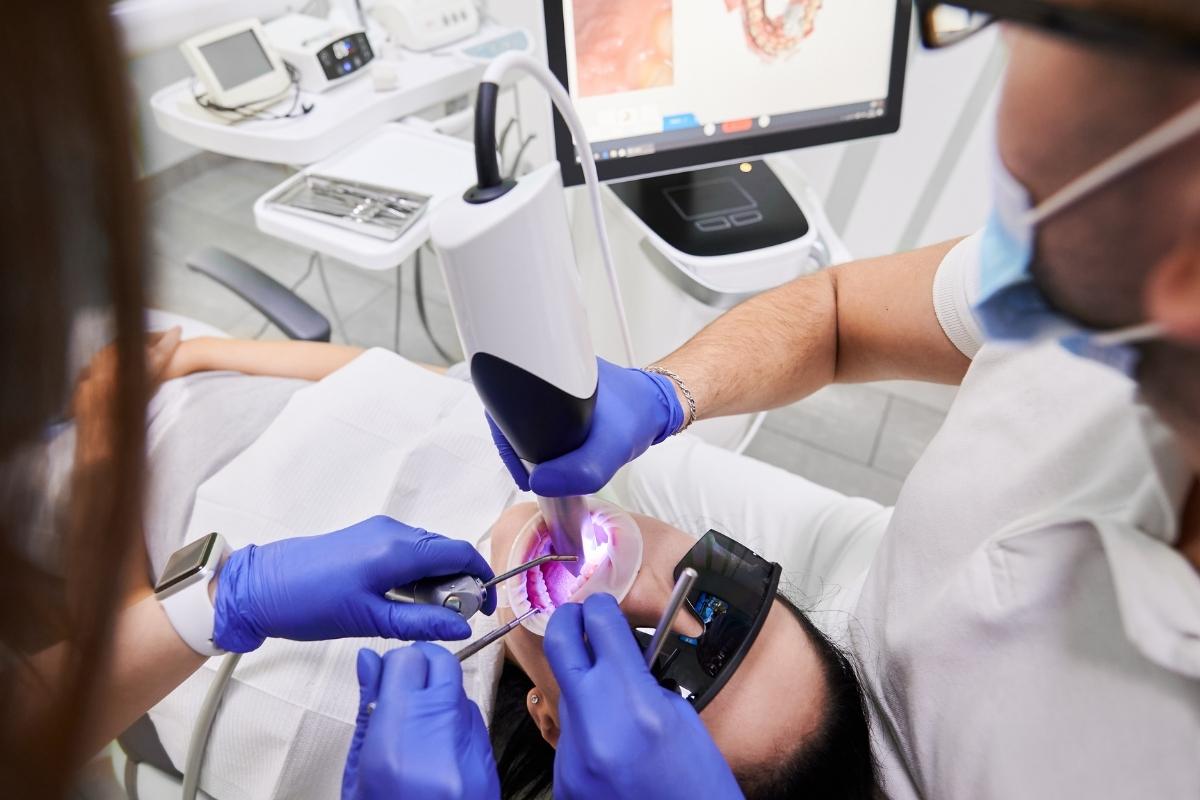
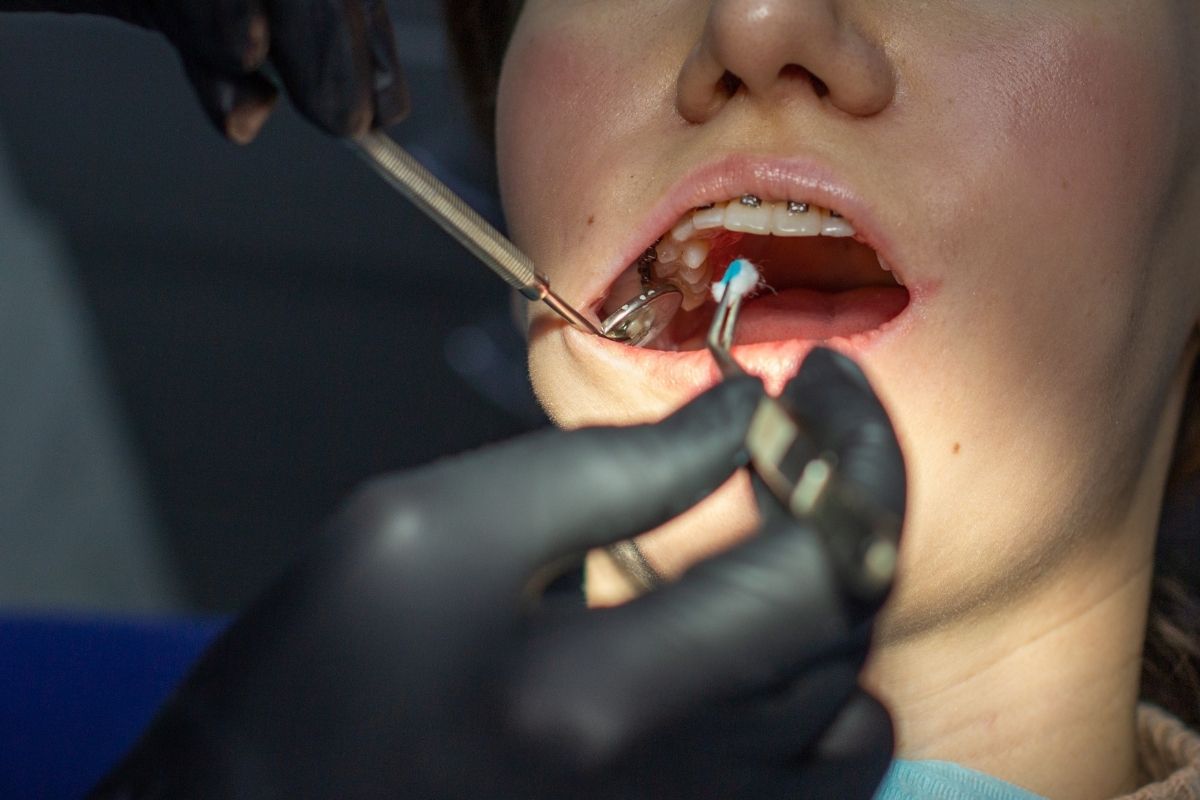
Periodontal cleaning, also known as scaling and root planing, is a crucial procedure for halting the progression of gum disease. This deep cleaning removes plaque and tartar buildup from below the gumline, reducing inflammation and allowing your gums to heal and recover. A common question patients often ask is whether gums grow back after periodontal cleaning.
Let’s explore what happens after treatment and what you can do to support your gum health.
Understanding Gum Recession
Gum recession occurs when the gums pull away from the teeth, exposing more of the tooth or its root. This condition often results from untreated gum disease, excessive brushing, or even genetic factors. Once gum tissue recedes, it does not regenerate naturally. This means gums don’t grow back on their own like skin or other soft tissues.
However, periodontal cleaning helps stop the damage in its tracks. This procedure eliminates harmful bacteria and plaque, allowing the gums to reattach more securely to the tooth surface. While the gums may not “grow back,” you may notice a healthier, firmer gumline after treatment.
Healing After Periodontal Cleaning
Your gums almost instantly start the healing process after a thorough cleaning. Bleeding, swelling, and redness usually go away in a few days. With proper care, your gums may tighten around the teeth, which can give the appearance of regrowth. However, this is more about reducing inflammation and improving attachment rather than forming new gum tissue.
If significant gum loss has occurred, a periodontist in Palm Desert may recommend procedures such as gum grafting to restore your gumline. A graft uses tissue—often from your palate or a donor source—to cover exposed roots and prevent further damage.
How to Protect Your Gums After Treatment
To keep your gums healthy and prevent future recession, consistent oral care is essential. Here are a few ways to support healing and long-term gum health:
- Brush your teeth lightly twice daily with a soft-bristled toothbrush.
- It is recommended that you floss daily in order to eliminate plaque from difficult-to-reach areas.
- As directed by your dentist, rinse your mouth with an antimicrobial mouthwash.
- To preserve your oral health, you should schedule routine exams and periodontal maintenance cleanings.
- Avoid tobacco products, which can slow healing and worsen gum disease.
Working closely with your dental provider can help you maintain the results of your cleaning and avoid further gum deterioration.
When to Consider a Periodontist:
If your gums show signs of severe recession, loose teeth, or persistent bad breath, it may be time to consult with a periodontist. These specialists have advanced training in diagnosing and treating gum disease and can offer surgical and non-surgical options to help restore a healthy smile.
While gums won’t grow back on their own after periodontal cleaning, this treatment can significantly improve your gum health and help prevent further damage. With early intervention, consistent oral hygiene, and guidance from your dental team, you can keep your gums strong and your smile intact.
Take the First Step Toward Healthier Gums
Don’t wait until gum disease becomes painful or severe. Schedule a consultation with your periodontist today and learn how periodontal cleaning can transform your oral health. A healthier smile starts with the proper care—take control of your gum health now.