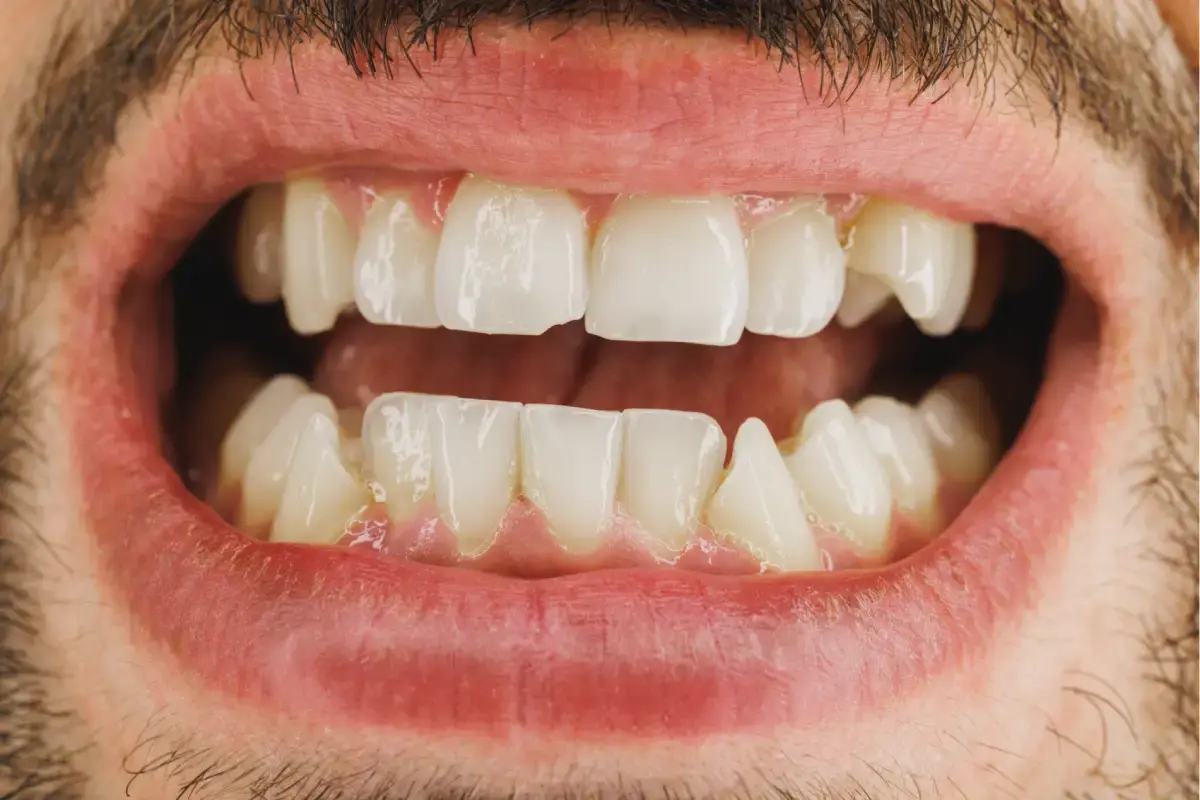
A cracked tooth is a minor issue, especially if the pain comes and goes. But if left untreated, a small crack can turn into a big problem—reaching the nerve and potentially causing infection or even tooth loss. Understanding how cracks affect the deeper layers of your tooth can help you protect your oral health before it’s too late.
How Does a Tooth Crack in the First Place?
Teeth can crack from biting hard foods, grinding at night, age-related wear, or even past dental procedures. Some cracks are visible, while others remain hidden below the surface. These fissures might reveal your tooth’s interior layers, such as the dentin and pulp.
When a crack reaches the pulp—the part of the tooth that houses blood vessels and nerves—it can cause intense pain and inflammation. This is the stage where immediate dental intervention becomes critical.
When a Crack Reaches the Nerve
A deep crack that reaches the nerve often causes sharp pain when you chew, triggers sensitivity to hot or cold, and leads to throbbing discomfort. In some cases, the pain may subside temporarily, but that doesn’t mean the problem is gone. A cracked tooth can open a pathway for bacteria, leading to infection or an abscess.
At this stage, your dentist might refer you to a specialist, such as an endodontist in Palmdale, who can evaluate the extent of the damage and recommend root canal therapy or another procedure to save the tooth.
Signs You Shouldn’t Ignore
A cracked tooth won’t heal on its own. Here are several indications that the crack may be severe:
- Pain when biting or chewing
- Sudden sensitivity to temperature
- Swollen gums near the tooth
- Discoloration of the tooth
- A constant dull ache
Even if the pain is intermittent, you should still seek professional help. Early treatment helps to save your natural tooth and avoid more complex operations.
Treatment Options for Deep Cracks
Treatment depends on how far the crack has reached. Catching it early allows your endodontist to safeguard the tooth with a filling or crown. However, if the crack has reached the pulp, root canal therapy may be necessary to remove the damaged tissue and prevent infection.
In severe circumstances where a tooth cannot be saved, extraction may be the only choice. However, with modern dental technology, many cracked teeth can be preserved if treated promptly.
Preventing Cracks Before They Start
You can’t always avoid dental emergencies, but you can reduce your risk of cracked teeth by:
- Wearing a night guard if you grind your teeth
- Avoiding hard foods like ice, unpopped popcorn kernels, and hard candy
- Using scissors instead of teeth to open packages
- Getting regular dental checkups to catch minor issues early
Preventive care goes a long way in maintaining your smile’s health and integrity.
Don’t Wait—Protect Your Smile Today
If you’re experiencing pain or suspect a cracked tooth, don’t wait for the symptoms to get worse. Catching the problem early can save your tooth and prevent loss. Contact our office today to schedule a consultation and take the first step toward relief and recovery.