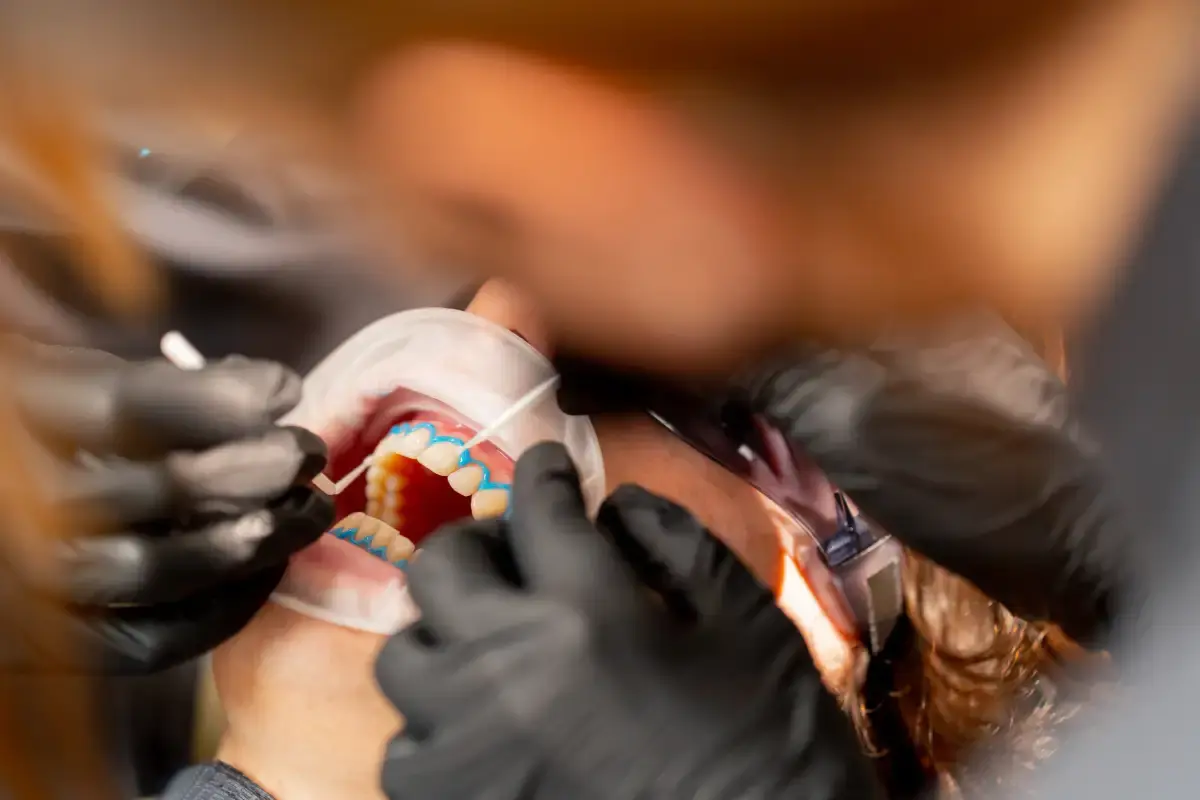
A fall, sports injury, or accidental hit to the mouth can leave a permanent tooth feeling loose without knocking it completely out. The tooth may still look like it is in its usual position, but there may be movement when touched, tenderness when biting, or bleeding around the gumline.
Even when a tooth has not moved out of place, an injury can affect the tissues that hold it in position and may damage the nerve inside. Prompt evaluation can help identify the extent of the damage and determine whether the tooth needs treatment or monitoring.
Why Does a Tooth Become Loose After an Injury?
Teeth are held in their sockets by a network of supporting tissues, including the periodontal ligament. This ligament connects the tooth root to the surrounding bone and helps absorb pressure during chewing.
A sudden impact can stretch or damage these fibers, making the tooth more mobile than usual. When a tooth becomes loose without changing position, the injury is commonly called subluxation.
Possible symptoms include:
- Movement when the tooth is gently touched
- Tenderness when biting or chewing
- Bleeding around the affected gumline
- Discomfort when the tooth is tapped
- Sensitivity to pressure or temperature
The amount of looseness does not always indicate how serious the injury is. A dental examination is necessary to assess the tooth and its supporting structures.
Can a Loosened Tooth Tighten Up Again?
Yes. A mildly loosened tooth may become stable again as the supporting ligament heals. However, recovery depends on the extent of the damage and whether the tooth has sustained any additional injury.
After examining the tooth, a dentist may recommend monitoring it while the tissues recover. If the tooth has excessive movement or causes discomfort when biting, temporary stabilization with a flexible splint may be necessary.
During recovery, it is important to avoid biting directly with the injured tooth. Softer foods can reduce pressure on the area, while hard or crunchy snacks may place additional stress on the supporting tissues. Repeatedly touching the tooth to check its movement should also be avoided.
Can an Injury Damage the Nerve Inside the Tooth?
Yes. An impact can affect the pulp, which contains the tooth’s nerves and blood vessels. Sometimes, the pulp recovers without additional treatment. In other cases, the injury may interrupt its blood supply and lead to inflammation or infection.
These changes are not always noticeable immediately. Signs may appear weeks or months after the accident and can include:
- Darkening or discoloration of the tooth
- Pain that develops after the initial injury
- Swelling near the affected tooth
- A small bump on the gum that may indicate infection
Treatment decisions should not be based on one symptom alone. An oral health specialist considers the examination findings, test results, and changes over time before determining whether the pulp has been damaged.
How Is a Loose Tooth Evaluated After an Accident?
An evaluation typically includes checking the tooth’s position, movement, surrounding gums, and supporting tissues. Dental X-rays may also be taken to look for root or bone damage that is not visible during a visual examination.
Pulp tests help assess the condition of the tissue inside the tooth. However, a tooth may not respond normally immediately after an injury, so one early test result does not always provide a final diagnosis. Follow-up examinations can help identify changes as the tooth heals.
Depending on the findings, treatment may involve observation, temporary stabilization, or additional care if the pulp becomes damaged or infected. The goal is to preserve the natural tooth whenever possible.
Patients with a loosened or injured tooth can receive specialized dental care in Palm Desert at Synergy Endodontics, where the team can evaluate the injury and explain the appropriate treatment options.
When Should a Loose Tooth Be Examined?
A loose tooth should be evaluated promptly after an injury, even if there is little or no pain. Waiting for discomfort to develop may delay the identification of damage to the supporting tissues or pulp.
Increasing movement, tooth discoloration, swelling, or worsening discomfort are additional reasons to seek an examination without delay. If the tooth has been pushed out of its normal position or knocked completely out, urgent dental attention is necessary.
Give Your Tooth the Attention It Needs
A tooth does not have to fall out to sustain a serious injury. Even a small amount of movement can indicate damage to the supporting tissues or the pulp inside. Synergy Endodontics provides specialized endodontic care in Palm Desert, CA, for patients dealing with dental injuries and other conditions affecting the inside of a tooth.
Anyone experiencing tooth looseness after an accident can schedule an appointment with Synergy Endodontics for an evaluation and specialized care for dental injuries. The practice also welcomes patients from nearby Coachella Valley communities, including Rancho Mirage, Indian Wells, La Quinta, Palm Springs, and Indio. View the Palm Desert practice when planning a visit.
Frequently Asked Questions
1. Is a loose tooth after an accident a dental emergency?
It needs prompt dental evaluation, even if there is little pain. An examination can reveal damage to the supporting tissues or pulp that may not be obvious at first.
2. Can a loose permanent tooth fall out later?
It is possible, particularly if the supporting structures have sustained significant damage. Early examination and appropriate follow-up can help assess the tooth’s stability.
3. Will a loose tooth always need a root canal?
No. A loosened tooth may recover without root canal treatment. This procedure is generally recommended when examination findings indicate that the pulp has become irreversibly damaged or infected.
4. How long does it take for a loosened tooth to heal?
Healing time varies depending on the severity of the injury. Some teeth become stable within a few weeks, while others require longer monitoring and follow-up care.