Many patients searching for information about what you’ll actually feel during your root canal treatment in Palm Desert have one thing in common — they’re anxious. That anxiety is completely understandable. Root canals carry a reputation that is far worse than the reality. At Synergy Endodontics, Dr. David Z. Li wants to change that by walking you through each stage of the procedure honestly and clearly.
Understanding what to expect takes the mystery out of the experience. Knowledge reduces fear. By the end of this guide, you’ll know exactly what sensations are normal, what the team does to keep you comfortable, and why most patients are genuinely surprised by how manageable the process feels.
What You’ll Actually Feel During Your Root Canal Treatment: Before It Begins
Your appointment starts with a conversation, not a drill. Dr. Li will review your X-rays and explain what’s happening inside the tooth. This step matters because an informed patient is a calmer patient.
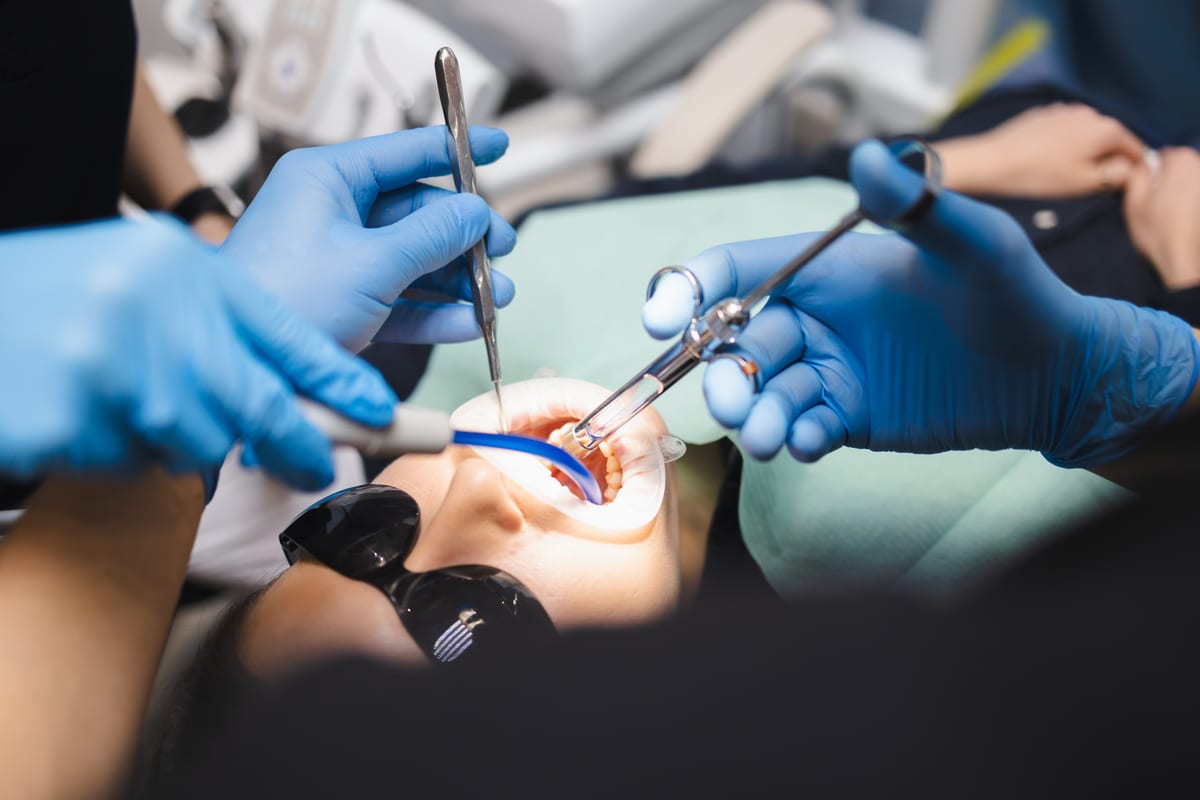
Next comes local anesthesia. The team applies a topical numbing gel to your gum tissue first. This softens the sensation of the injection itself. Most patients feel only mild pressure — not pain — during this step.
Once the anesthesia takes effect, the tooth and surrounding area become fully numb. You will not feel sharp pain during the procedure. Some patients feel surprised at how quickly this happens. Give the numbing medication a few minutes to work fully before treatment begins.
Here is what most patients notice during this early phase:
- A brief sting from the topical gel application
- Mild pressure from the anesthetic injection
- A spreading numbness in the jaw and cheek
- A feeling of fullness or heaviness in the area
Step by Step: What Happens Inside the Tooth
Once you’re numb, Dr. Li places a small rubber sheet called a dental dam around the tooth. This keeps the area clean and dry. You might feel slight pressure as it’s positioned — nothing sharp or painful.
A small opening is then made through the top of the tooth. Because your tooth is fully numb, you won’t feel cutting or drilling as pain. You may notice vibration and hear the sound of instruments. That is completely normal.
The infected or inflamed pulp tissue inside the tooth is carefully removed. Tiny files clean and shape the root canals. This is the core of the procedure. You should feel no pain. If any sensation arises, tell Dr. Li immediately — adjustments to anesthesia can be made quickly.
The canals are then rinsed with an antibacterial solution. You might feel slight pressure or a faint cooling sensation from the rinse. Neither feeling is painful. The goal is to thoroughly disinfect the inner tooth structure.
Sealing the Tooth: Sensations During the Final Stage
After cleaning, the canals are filled with a biocompatible rubber material called gutta-percha. This seals the space and prevents future bacterial entry. You’ll feel pressure during placement — similar to biting down on something firm.
A temporary or permanent filling is then placed over the opening. This restores the tooth’s surface. Again, the sensation is pressure-based, not painful. Most patients tolerate this stage very easily.
Dr. Li may also take a final X-ray to confirm the canals are properly sealed. The bite sensor placed in your mouth is small and flat. It causes no discomfort. This quick step confirms the treatment’s success.
Benefits of completing your root canal with proper sealing include:
- Elimination of infection from the tooth’s interior
- Prevention of bacteria from re-entering the canals
- Preservation of the natural tooth structure
- Relief from the chronic pain caused by pulp inflammation
- A foundation for a permanent crown if needed
What to Expect After Your Appointment in Palm Desert
Once the anesthesia wears off — usually within a few hours — some mild soreness is normal. The tissue around the tooth may be tender for a day or two. This is your body’s natural healing response, not a sign that something went wrong.
Over-the-counter pain relievers typically manage this discomfort well. Dr. Li will give you specific post-care instructions before you leave the office. Following those instructions closely speeds up your recovery.
Most patients return to normal activities the very next day. Some go back to work or school the same afternoon. The procedure itself rarely causes the kind of downtime that many people fear in advance.
Watch for these normal post-treatment sensations:
- Mild aching around the treated tooth
- Sensitivity when biting for one to three days
- Minor swelling in the gum tissue nearby
Contact Synergy Endodontics if pain intensifies after the third day or if swelling increases significantly. These signs may indicate the need for a follow-up evaluation.
Why Patients in Palm Desert Choose Synergy Endodontics
Dr. David Z. Li combines clinical expertise with a genuinely patient-centered approach. He understands that dental anxiety is real and that fear of the unknown makes it worse. His goal is to give you complete, honest information before, during, and after treatment.
The team at Synergy Endodontics uses modern techniques and equipment designed to minimize discomfort. Precision tools mean less time in the chair. Effective local anesthesia protocols mean fewer unexpected sensations during treatment.
Patients from Palm Desert and the broader Palmdale area trust this practice because the environment feels calm, not clinical. Every step of your care is explained as it happens. You are never left wondering what comes next.
Root canal treatment, when performed by a skilled endodontist, is far closer to a routine filling than the frightening procedure it’s imagined to be. You deserve accurate information — and comfortable, confident care. Schedule your appointment with our team.
Frequently Asked Questions
Does a root canal hurt while it’s happening?
No. The tooth and surrounding area are fully numbed before treatment begins. Most patients feel pressure and vibration but no sharp pain. If any discomfort arises during the procedure, Dr. Li can adjust anesthesia immediately.
How long does a root canal appointment take?
Most root canal treatments take between 60 and 90 minutes. Complex cases with multiple canals may require a second visit. Dr. Li will give you a time estimate after reviewing your X-rays at the start of your appointment.
Will I feel sore after my root canal?
Mild tenderness around the treated tooth is normal for one to three days after the procedure. This soreness is manageable with over-the-counter pain relievers. It typically fades quickly as the tissue heals.
What is the rubber sheet used during treatment?
That is called a dental dam. It isolates the tooth being treated, keeping it clean and dry throughout the procedure. It also protects the rest of your mouth from the instruments and rinses used during treatment.
When can I eat normally after a root canal?
Wait until the anesthesia has fully worn off before eating — usually two to four hours. Avoid chewing directly on the treated tooth until a permanent crown is placed. Dr. Li will give you specific dietary guidance before you leave the office.