You’re brushing your teeth when you spot it: a tender, swollen bump on your gum that wasn’t there last week. Maybe it throbs. Maybe your mouth tastes like a penny. A gum abscess and a tooth abscess both put you in this spot, and they look almost identical in the mirror. They start in different places and need different fixes, so it helps to know which one you have.
Where Each One Starts
A gum abscess begins in the gum tissue. Bacteria collect in the small pocket between gum and tooth, usually because gum disease deepened that pocket or because something lodged there, like a popcorn hull. The infection stays in the soft tissue.
A tooth abscess begins inside the tooth. Deep decay, a crack, or an old injury gives bacteria a path to the soft pulp at the center. The infection travels down the root, gathers at the tip, and pushes into the bone and gum. The bump you see is just where it broke through.
Clues You Can Spot at Home
Leaning toward a gum abscess: The swelling sits near the gum line, beside the tooth. Pressing on the gum hurts, your gums bleed easily, and the tooth may feel slightly loose. It usually handles hot and cold without complaint.
Leaning toward a tooth abscess: The pain throbs on its own and sometimes wakes you. Biting or tapping the tooth hurts, and the tooth may look darker than its neighbors. The bump often sits higher on the gum, near the root tip, and it may leak a salty fluid.
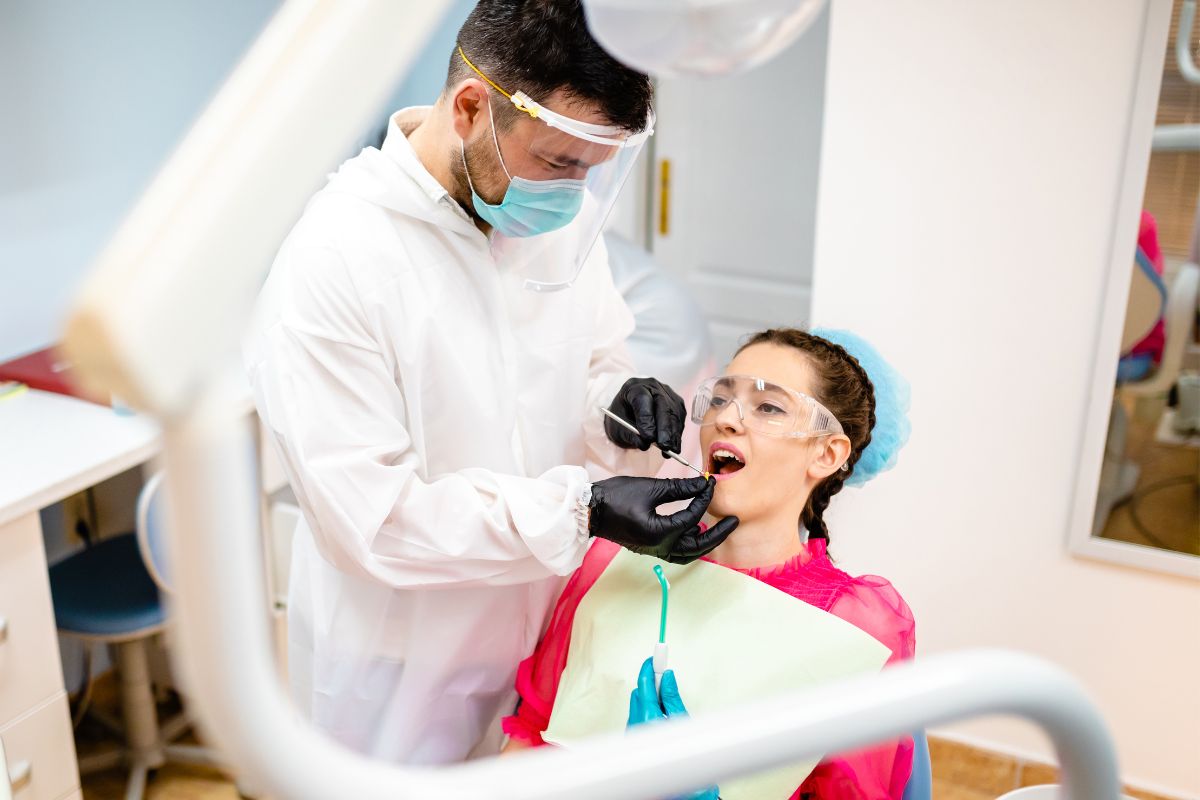
Treat these as tendencies, not a diagnosis. Some infections involve both gum and tooth. A dentist sorts it out by tapping the tooth, testing its response to cold, measuring the gum pocket, and taking dental imaging.
Why the Answer Changes Your Treatment
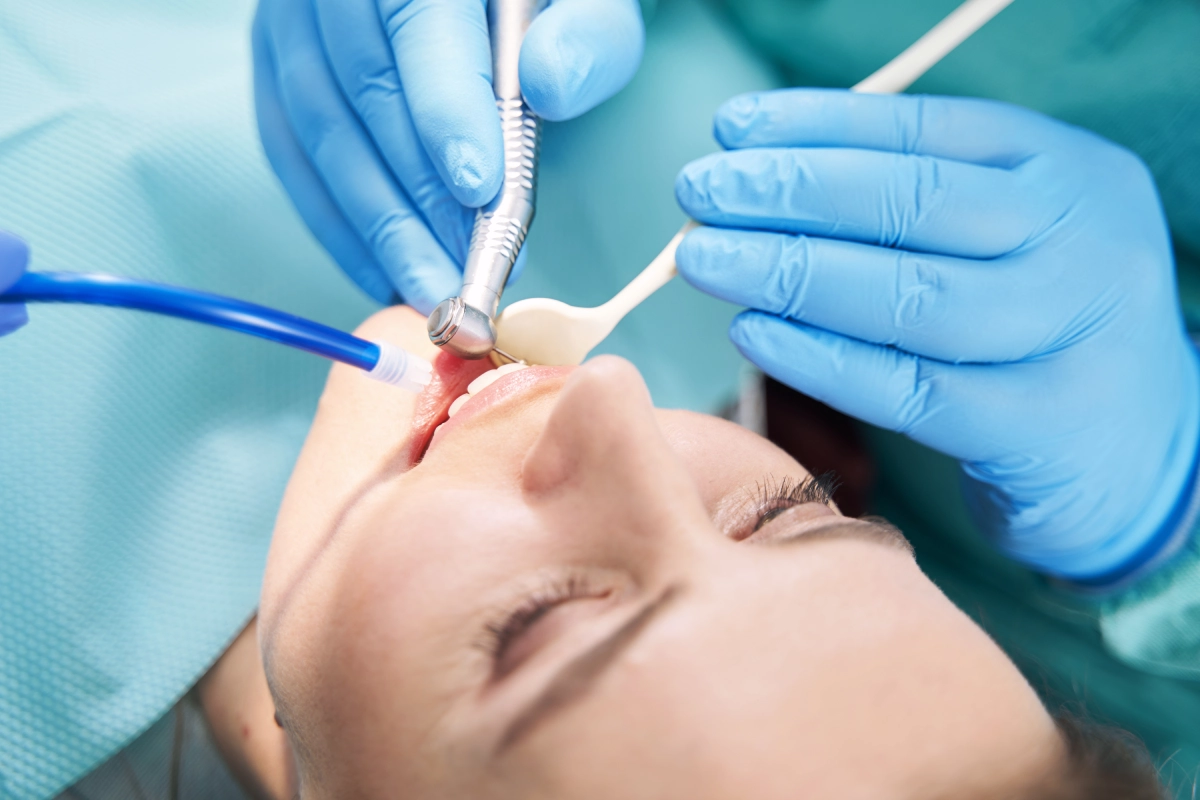
A gum abscess calls for cleaning. Your dentist drains the pocket, removes whatever caused it, and treats the underlying cause. A tooth abscess calls for work inside the tooth. A root canal clears out the infected pulp and often saves the tooth. Antibiotics can calm swelling in either case, but they can’t clean out a dead nerve, so the bump tends to return once the prescription ends.
What Not to Do
Don’t squeeze, pop, or poke the bump. If it bursts on its own, you’ll taste something salty and foul, and the pressure drops, but the infection stays. Rinse with warm salt water, chew on the other side, and take an over the counter pain reliever as the label directs.
When It Becomes an Emergency
Head to the emergency room if you develop a fever, swelling that spreads across your face, eye, or neck, or any trouble swallowing or breathing. Otherwise, consider getting care for an abscessed tooth within a day or two, even if the pain fades. If your regular dentist thinks the nerve is involved, an endodontic specialist can take over from there.
Get the Right Care for a Dental Abscess
A swollen or painful bump on your gum should not be ignored, even if the discomfort starts to fade. Synergy Endodontics in Palm Desert can determine whether the infection is coming from the gum or inside the tooth and recommend the appropriate treatment.
If you are dealing with signs of an abscess, schedule an appointment for an evaluation.
Quick Answers
1. Can an abscess heal without treatment?
The bump may drain and shrink, but the source remains, so it usually returns and can spread.
2. Does a painless bump mean I’m fine?
No. A bump that doesn’t hurt can still signal a long running infection.
3. Will I need antibiotics?
Sometimes. Your dentist decides based on your symptoms and whether the infection is spreading.