Gum recession is a common dental concern that can quietly progress over time. Many people in Palm Desert and nearby communities like Rancho Mirage, La Quinta, and Indian Wells may not notice the early warning signs until tooth sensitivity or visible root exposure appears. The good news is that treatment options are often available before the condition becomes severe. Fix Receding Gums early can help protect your teeth, improve comfort, and reduce the risk of long-term oral health complications. Understanding when gum recession becomes more difficult to treat can help patients make informed decisions and seek care before more advanced damage develops.
Why Healthy Gums Matter More Than You Think
Your gums do much more than frame your smile. They protect the roots of your teeth, support surrounding bone, and help prevent bacteria from reaching deeper structures in the mouth. When gum tissue begins to pull away from the teeth, the roots become exposed and vulnerable.
Exposed roots can lead to:
- Tooth sensitivity to hot and cold foods
- Increased risk of root decay
- Difficulty brushing comfortably
- Gum inflammation and bleeding
- Changes in the appearance of your smile
Because gum recession often develops slowly, many patients do not realize how much tissue loss has occurred until symptoms become noticeable.
Common Reasons Gum Tissue Pulls Back
Several factors can contribute to receding gums. In many cases, more than one issue is involved.
Some of the most common causes include:
- Periodontal disease
- Brushing too aggressively
- Teeth grinding or clenching
- Tobacco use
- Poor oral hygiene habits
- Misaligned teeth or bite issues
- Genetic predisposition
- Hormonal changes
Inflammation caused by bacteria is one of the leading reasons gum tissue deteriorates. Without treatment, the supporting bone around the teeth may also begin to weaken.
Early Signs You Should Not Ignore
Recognizing gum recession early gives patients the best chance of preserving healthy tissue and avoiding more extensive procedures later.
Watch for these warning signs:
- Teeth appearing longer than before
- Sensitivity near the gumline
- Bleeding while brushing or flossing
- Red or swollen gums
- Visible root surfaces
- Small notches near the base of the teeth
- Persistent bad breath
Routine dental exams are important because recession may develop without pain in the early stages.
How Dentists Determine Whether Treatment Is Still Possible
There is no exact point when treatment suddenly becomes impossible. Instead, dentists evaluate several factors to determine the best approach for each patient.
During an examination, providers typically assess:
- The amount of gum tissue loss
- Bone support around the teeth
- Tooth stability
- Depth of periodontal pockets
- Signs of infection or inflammation
- Overall oral health
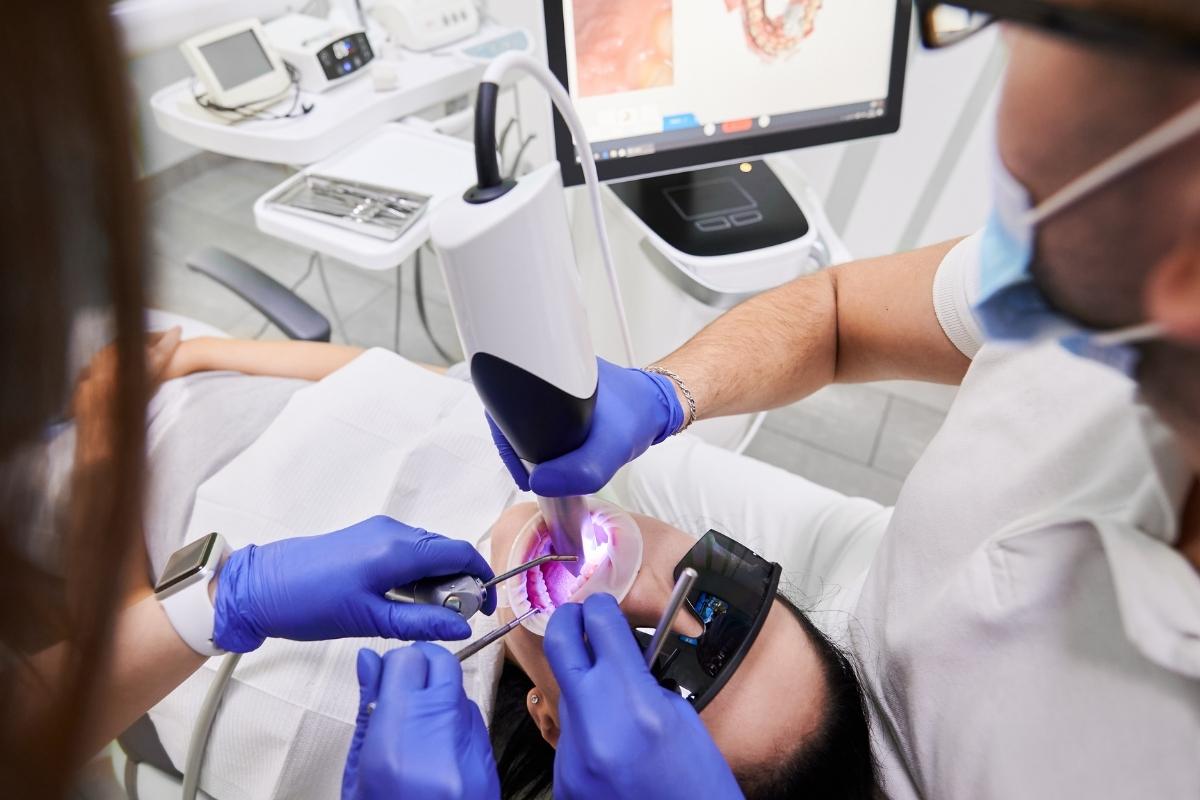
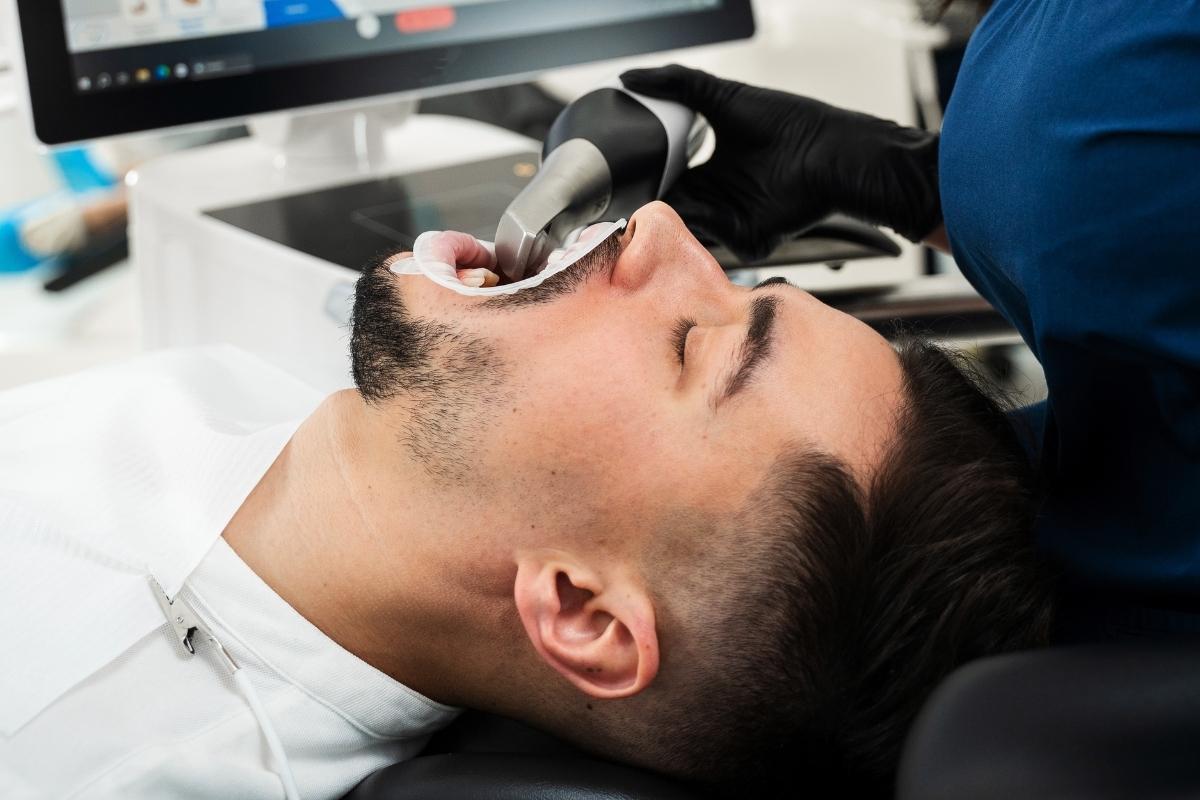
Digital imaging and periodontal measurements help identify whether the surrounding structures are healthy enough for treatment to succeed.
In many cases, even a moderate recession can still be treated successfully when addressed promptly.
When Delaying Care Creates Bigger Problems
Waiting too long to address receding gums can allow the condition to worsen significantly. As the recession progresses, the supporting bone around the teeth may begin to deteriorate.
This can eventually lead to:
- Loose or shifting teeth
- Advanced gum disease
- Root decay
- Increased tooth sensitivity
- Bone loss
- Higher risk of tooth loss
Once structural support becomes severely compromised, treatment options may become more complex. Early intervention typically provides more predictable and long-lasting results.
Situations Where Gum Repair Becomes More Difficult
Although many cases can still be managed successfully, there are situations where traditional gum procedures may no longer provide the desired outcome.
These situations may include:
Severe Bone Loss Around Teeth
Healthy bone support is essential for stabilizing teeth and supporting gum tissue. When extensive bone deterioration has occurred, certain procedures may become less effective.
Active Infection or Advanced Gum Disease
An untreated bacterial infection can interfere with healing and prevent tissues from responding properly to treatment.
Teeth That Have Become Loose
Mobility often indicates more serious structural damage. In these cases, stabilizing the underlying issue becomes the primary focus before considering cosmetic or restorative procedures.
Extremely Thin Gum Tissue
Some patients naturally have delicate gum tissue that may require specialized treatment approaches.
A comprehensive evaluation from a dental specialist can determine which options are most appropriate.
Treatment Options That May Help Preserve Your Smile
Modern dentistry offers several approaches for managing gum recession depending on the severity of the condition.
Possible treatments may include:
- Professional deep cleaning procedures
- Improved home oral hygiene techniques
- Nightguards for teeth grinding
- Soft tissue grafting procedures
- Bone regeneration treatments
- Ongoing periodontal maintenance
In more advanced situations, replacement options such as dental implants may be considered if natural teeth cannot be preserved.
Patients searching for a periodontist in palm desert often benefit from early evaluation before tissue and bone loss become more extensive.
Everyday Habits That Help Protect Your Gums
Preventive care plays a major role in slowing or preventing recession from worsening.
Healthy habits include:
- Using a soft-bristled toothbrush
- Brushing gently with proper technique
- Flossing daily
- Avoiding tobacco products
- Managing teeth grinding
- Keeping regular dental visits
- Eating a balanced, nutrient-rich diet
Why Early Evaluation Makes a Difference
One of the most important things patients can do is seek professional evaluation at the first sign of gum changes. Mild recession may seem harmless initially, but untreated problems can progress over time and affect both oral health and overall comfort.
Early care can often:
- Reduce future complications
- Improve treatment success
- Protect the supporting bone
- Preserve natural teeth
- Minimize discomfort
- Prevent worsening recession
Even if recession appears advanced, a professional assessment may reveal treatment opportunities that can still help stabilize and improve your oral health.
Conclusion
Receding gums should never be ignored, especially when symptoms like sensitivity, bleeding, or exposed roots begin to appear. While some advanced cases become more challenging to treat, many patients still have options when they seek care early enough. Timely evaluation, proper oral hygiene, and personalized treatment planning can help protect your teeth and support long-term gum health. If you are noticing signs of gum recession or have concerns about your smile, contact us today to schedule a consultation with the experienced team at Synergy Endodontics palm desert.