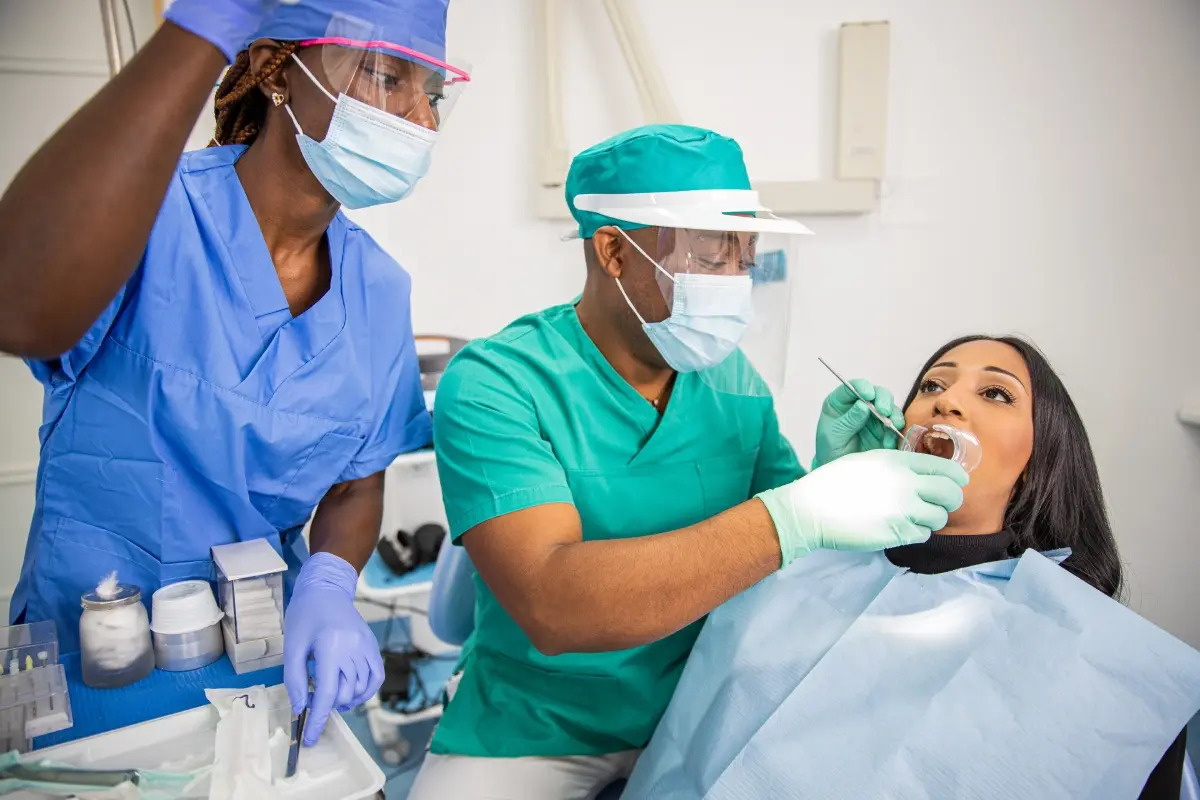
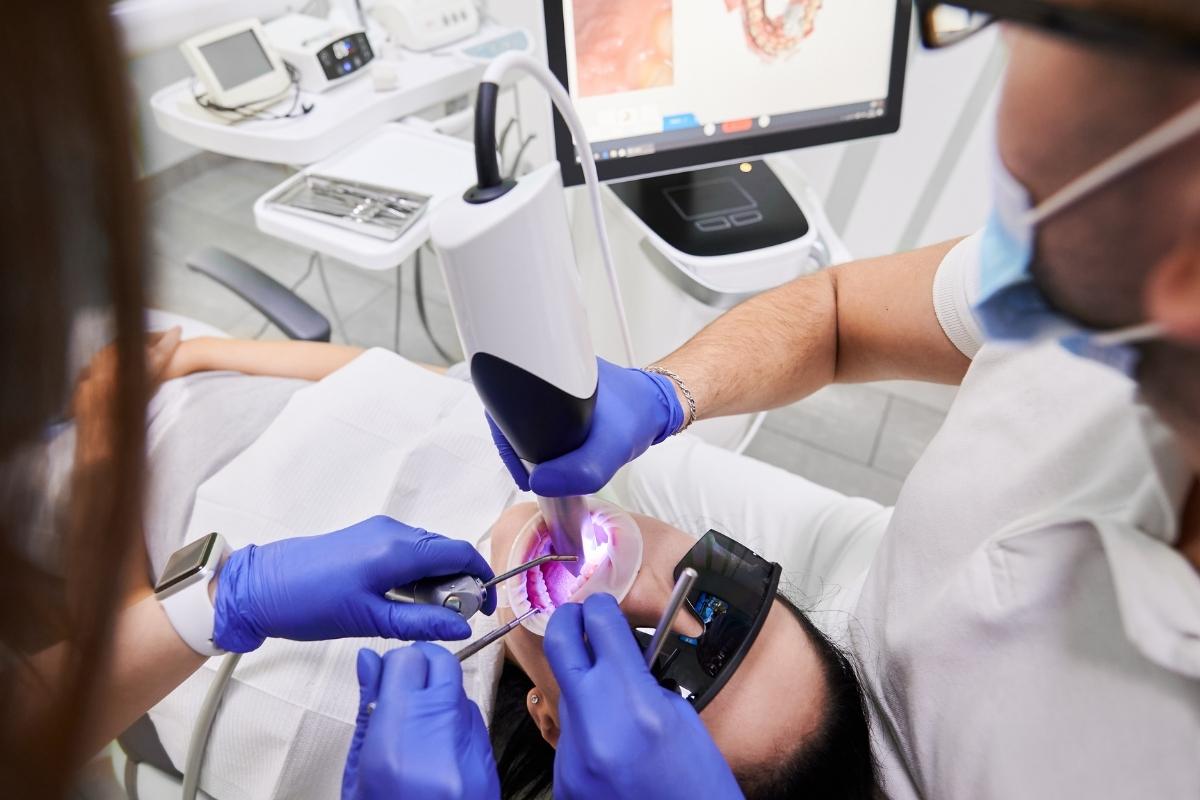
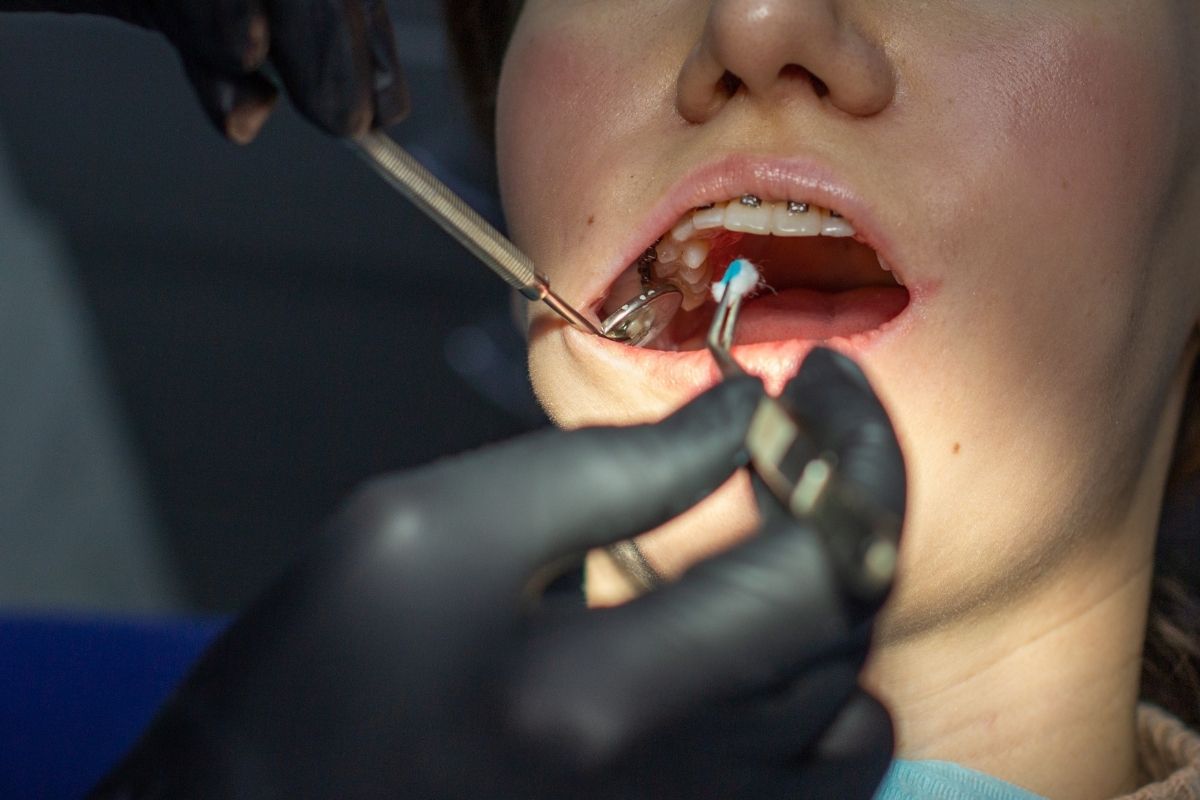
If you’re dealing with advanced gum disease, your periodontist may recommend periodontal surgery. Understandably, many patients ask the same question: Does periodontal surgery hurt? The short answer is not as much as you might think. With modern techniques, local anesthesia, and effective aftercare, most patients manage discomfort easily. Let’s break down what to expect and how to control pain and answer common FAQs about periodontal procedures.
What Happens During Periodontal Surgery?
Periodontal surgery treats gum disease that has advanced beyond the point where regular cleanings, scaling, and root planing are effective. The procedure often involves gently lifting the gums to remove plaque, tartar, and bacteria from deep periodontal pockets. In some cases, bone grafting or tissue regeneration may follow to restore support for your teeth.
Before the surgery begins, your periodontist will numb the area using a local anesthetic. Some practices also offer sedation options for patients with dental anxiety. Throughout the procedure, you’ll remain comfortable and pain-free.
Is There Pain After Surgery?
Most patients experience mild to moderate discomfort after the anesthesia wears off, but this is manageable with prescribed or over-the-counter pain relievers. Swelling, slight bleeding, and tenderness are typical for a few days post-surgery. Ice packs, a soft diet, and saltwater rinses can help minimize irritation and promote healing.
If you’re searching for a periodontist in Palm Desert, choose one who provides clear post-operative instructions and follows up on your recovery.
Top Tips to Manage Pain After Periodontal Surgery
- Follow Medication Guidelines: Take prescribed antibiotics and pain relievers exactly as directed to reduce infection risk and ease discomfort.
- Stick to a Soft Diet: Eat soft, cool foods for a few days. Yogurt, mashed potatoes, smoothies, and applesauce are great choices.
- Use Cold Compresses: Apply ice packs on your cheeks for 15-minute intervals to reduce swelling during the first 24 hours.
- Avoid Smoking and Alcohol: These slow down healing and increase your risk of complications.
- Keep Your Head Elevated: Sleep with your head slightly elevated to reduce bleeding and swelling.
- Maintain Oral Hygiene Gently: Your periodontist will advise you on how to clean around the surgical site without disturbing the healing tissue.
Frequently Asked Questions
Q: How long does it take to recover from periodontal surgery?
A: Most patients feel better within a few days, but complete healing can take a few weeks, depending on the type of surgery performed.
Q: When can I return to work?
A: Many return to normal activities within 1–2 days, especially if their job doesn’t require strenuous activity.
Q: Is sedation an option for nervous patients?
A: Many offices offer conscious sedation or nitrous oxide to help patients relax during surgery.
Q: What happens if I delay treatment?
A: Untreated gum disease can lead to tooth loss, bone damage, and even affect your overall health. Timely surgery can save your smile and prevent costly complications.
Trust Your Smile to the Experts
Choosing a trusted specialist makes all the difference in oral surgery. At Synergy Endodontics—Palm Desert, CA, we prioritize your comfort, health, and long-term results. Our experienced team uses state-of-the-art tools and personalized care plans to ensure every procedure is as smooth and pain-free as possible.
Whether you want to treat gum disease or need expert advice, our team is here to help. Don’t let fear keep you from a healthier smile.
Ready to take the next step toward better gum health? Contact our dental office today to schedule your personalized consultation. Your smile deserves expert care.