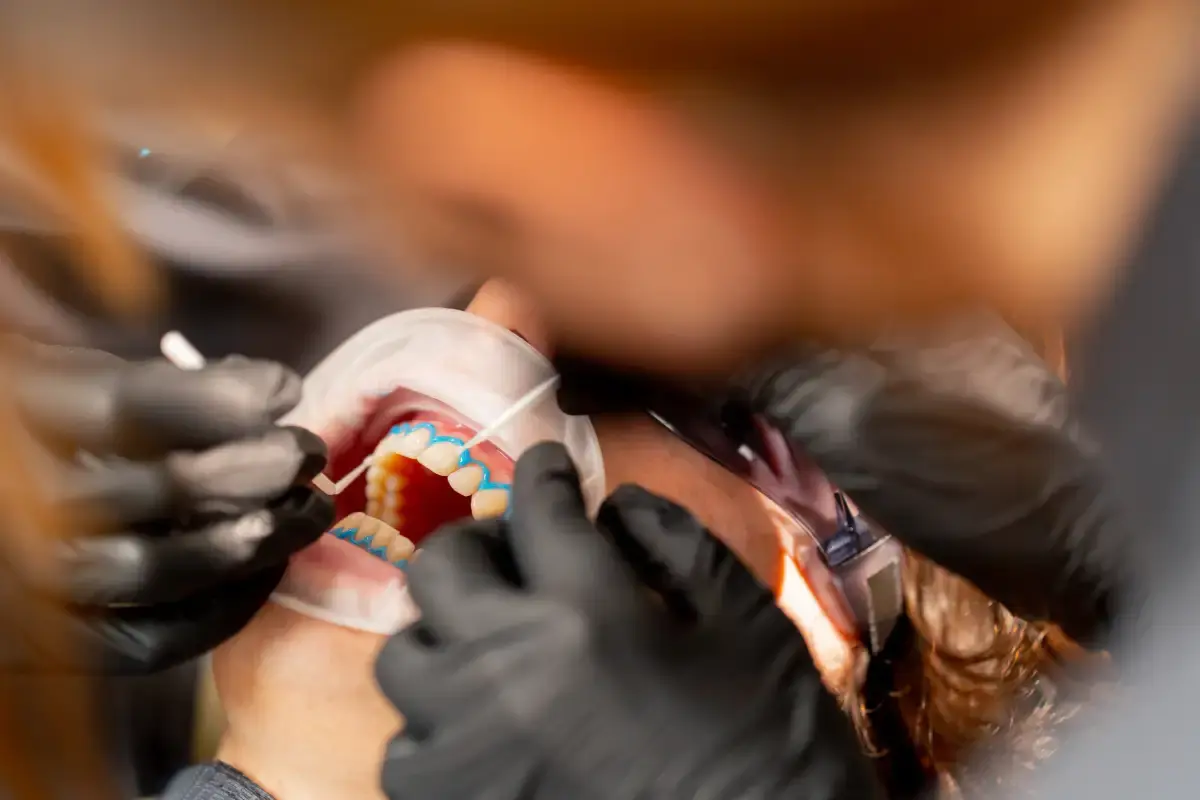
When a child suffers a tooth injury, it can be both frightening and confusing for parents. Quick and informed decisions can make all the difference, especially if the injury involves a developing permanent tooth. One treatment option often recommended in such cases is abiogenesis. But what is it—and why should parents care?
Let’s examine abiogenesis, when it’s necessary, and how it helps preserve a child’s natural tooth after trauma.
What Is Apexogenesis?
Apexogenesis is a vital endodontic procedure designed to encourage root development in an immature permanent tooth after it’s been injured. This technique allows the tooth’s root to grow and the apex (tip) to close naturally. By preserving the vitality of the dental pulp—the soft tissue inside the tooth—apexogenesis increases the long-term stability and strength of the tooth.
This procedure is usually recommended for children and teens whose teeth are still forming. If a permanent tooth is fractured or the pulp is exposed, an endodontist in Palm Desert may recommend abiogenesis to save the tooth and avoid more invasive procedures later.
When Is Apexogenesis Needed?
Apexogenesis is typically needed after:
- Dental trauma, such as a fall or sports injury
- Deep tooth decay that reaches the pulp in a developing tooth
- Fractures that expose the pulp in a young tooth
If the pulp remains healthy enough to support root development, apexogenesis can give the tooth a second chance. The earlier the treatment begins, the better the outcome. That’s why timely dental care is crucial after injury to your child’s teeth.
What Happens During the Procedure?
During apexogenesis, the dentist removes the damaged portion of the pulp but keeps the healthy part intact. A medicated material—often calcium hydroxide or mineral trioxide aggregate (MTA)—is placed on the remaining pulp to stimulate healing and continued root formation.
Once applied, the tooth is sealed with a temporary filling. Your child will return for periodic checkups to ensure the root continues to develop. The tooth may eventually be restored with a permanent crown or filling if healing progresses well.
Why Apexogenesis Matters for Long-Term Oral Health
Saving a natural tooth, especially in a growing child, is always the best option. Apexogenesis:
- Encourages root maturity and natural development
- Prevents future tooth loss or implant needs
- Reduces the risk of reinfection or complications
- Preserves jawbone development and facial symmetry
According to the American Association of Endodontists, procedures like apexogenesis are highly successful when performed early and under proper care.
Signs You Should See an Endodontist Immediately
Be on the lookout for these signs after your child injures a tooth:
- Pain or sensitivity when chewing or biting
- Swelling or redness in the gums
- Tooth discoloration
- Visible cracks or chips
- Loose permanent tooth
If you notice any of these symptoms, seek dental care right away. Early intervention can save a tooth and prevent infection.
Trust Your Local Dental Experts
If your child has experienced a tooth injury, don’t wait. Apexogenesis can save developing teeth—but only if addressed quickly. For expert care and a family-friendly approach, contact a trusted dental office in Palm Desert.
Schedule an appointment with our experienced team today to learn how apexogenesis can help restore and save injured teeth. Your child’s dental future starts now, don’t delay.