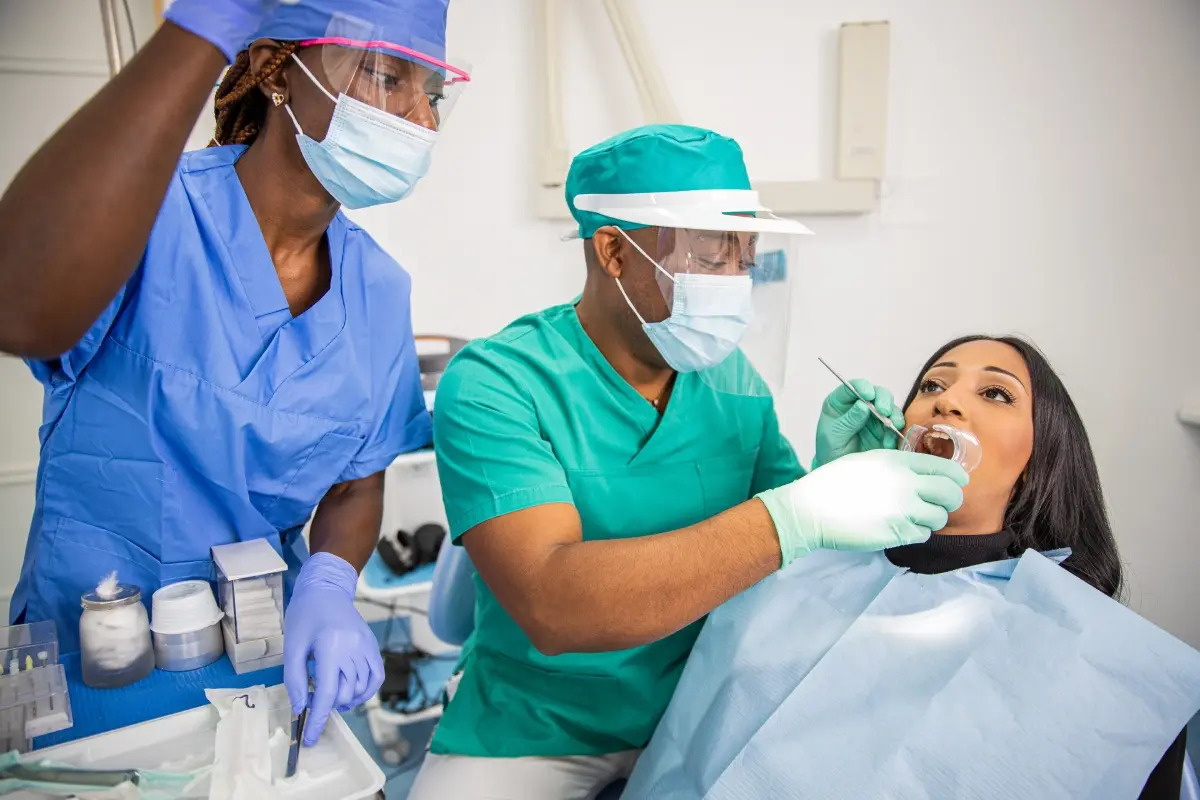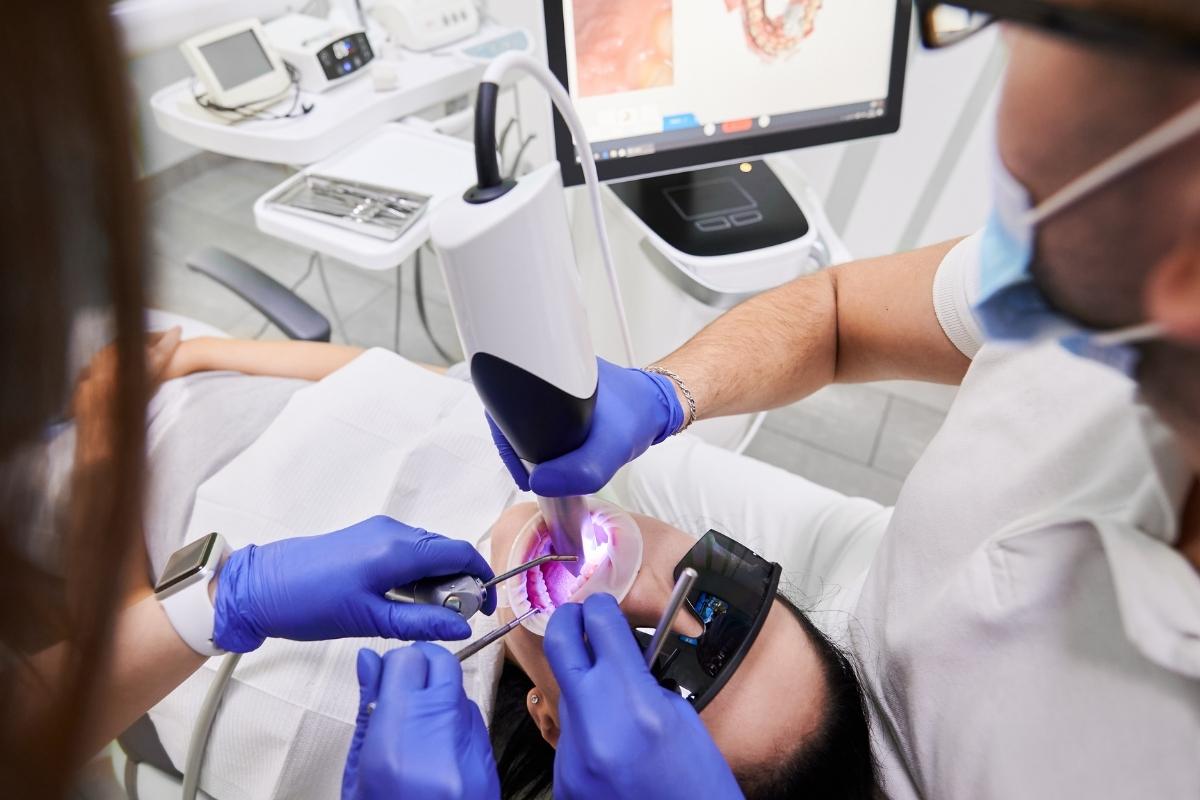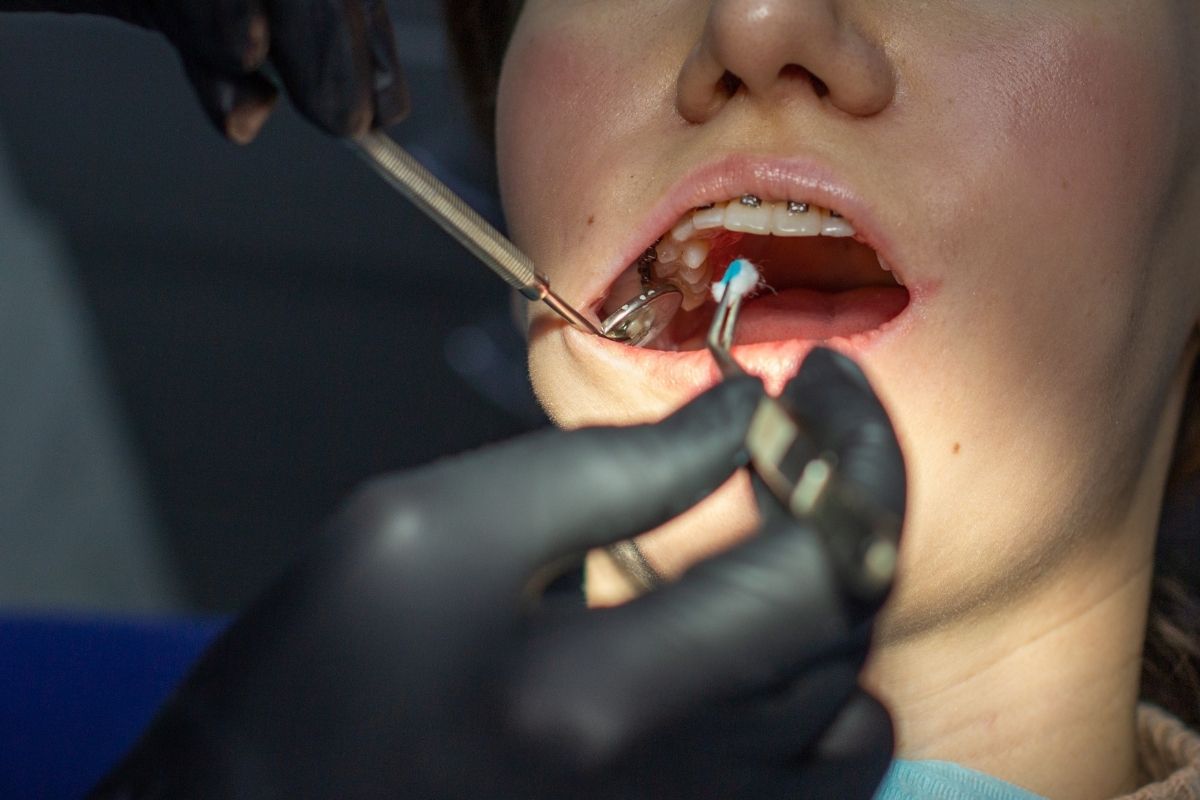
Periodontal surgery often seems like a last resort, but it can play a crucial role in improving your overall oral health. This specialized surgical procedure addresses issues related to gum disease, which, if left untreated, can lead to significant dental and health complications. Understanding how periodontal surgery can benefit your oral health can help you make informed decisions about your dental care.
The Impact of Gum Disease
Gum disease, or periodontal disease, starts with gingivitis, which is an inflammation of the gums. Without treatment, it progresses to periodontitis, a more severe form where the infection spreads to the supporting structures of the teeth, including the bone. This can cause gum recession, bone loss, and eventually tooth loss. Periodontal surgery targets these issues by repairing damage and restoring oral health.
What to Expect from Periodontal Surgery
Periodontal surgery comes in various forms, each tailored to address specific aspects of gum disease:
Flap Surgery: During flap surgery, a dentist or periodontist lifts the gums away from the teeth to remove tartar and bacteria. After cleaning, the gums are repositioned and secured to reduce the depth of pockets where bacteria can accumulate. This procedure helps improve gum health and can reduce the need for frequent deep cleanings.
Gum Grafting: If gum recession has occurred, gum grafting can restore lost tissue. In this procedure, tissue from another part of your mouth or a donor source is used to cover exposed roots and reduce sensitivity. This not only improves the beauty of your smile, but it also protects your teeth from future damage.
Bone Grafting: When bone loss has occurred due to advanced gum disease, bone grafting can rebuild the lost bone. The graft material, often taken from your own body or a synthetic source, helps stimulate new bone growth. This procedure can prepare your mouth for future dental implants or restore stability to your teeth.
Guided Tissue Regeneration: This technique encourages the regrowth of bone and tissue that has been destroyed by gum disease. A barrier membrane is placed between the gum and bone to promote healing and prevent gum tissue from interfering with bone regeneration.
Benefits of Periodontal Surgery
- Improved Gum Health: One of the primary benefits of periodontal surgery is the improvement in gum health. By removing tartar and bacteria from deep gum pockets, the surgery reduces inflammation and promotes healing. This can help prevent further damage and maintain the health of your gums.
- Enhanced Tooth Stability: Periodontal disease can lead to tooth mobility due to bone loss. Surgical procedures such as bone grafting can restore the bone structure, enhancing the stability of your teeth and preventing them from shifting or becoming loose.
- Prevention of Tooth Loss: By addressing the root causes of gum disease and restoring lost tissue and bone, periodontal surgery can help prevent tooth loss. This is crucial for maintaining your natural smile and avoiding the need for dentures or dental implants.
- Reduced Sensitivity: Gum recession can expose sensitive tooth roots, leading to discomfort and sensitivity to hot or cold foods. Gum grafting can cover exposed roots and reduce sensitivity, improving your overall comfort.
- Improved Aesthetics: Gum disease can cause unsightly gum recession and other aesthetic issues. Periodontal surgery can improve the appearance of your gums and smile, boosting your confidence and self-esteem.
Post-Surgery Care
After periodontal surgery, following your dentist’s or periodontist’s post-operative care instructions is essential for optimal recovery. This may include taking prescribed medications, maintaining a soft-food diet, and practicing good oral hygiene. Regular follow-up appointments will help ensure that your gums are healing properly and that the surgery has been successful.
Conclusion
Periodontal surgery is a powerful tool in the fight against gum disease. By addressing and correcting the damage caused by advanced gum disease, this surgery can significantly improve your oral health. If you’re struggling with gum disease, consult with a periodontist in Palm Desert to determine if periodontal surgery is right for you. Taking proactive steps now can lead to a healthier mouth and a brighter smile for years to come.