Cracked teeth are more common than you might think, and if not addressed, they can lead to severe pain, infections, and the need for a root canal. The good news is that you can take steps to prevent a cracked tooth from progressing to the point where a root canal becomes necessary. In this guide, we’ll explore the causes of cracked teeth, the warning signs, and how to protect your tooth from further damage.
Understand the Causes of a Cracked Tooth
Understanding the causes of a cracked tooth is your first step in prevention. Teeth can crack for various reasons, including:
- Biting on Hard Foods: Chewing ice, hard candy, or nuts can create stress on your teeth, leading to cracks.
- Teeth Grinding (Bruxism): Grinding your teeth, especially at night, can wear down the enamel and cause fractures.
- Large Fillings: Fillings that take up a significant portion of the tooth can weaken it, making it more susceptible to cracking.
- Injury or Trauma: Accidents or injuries to the mouth can result in a cracked tooth.
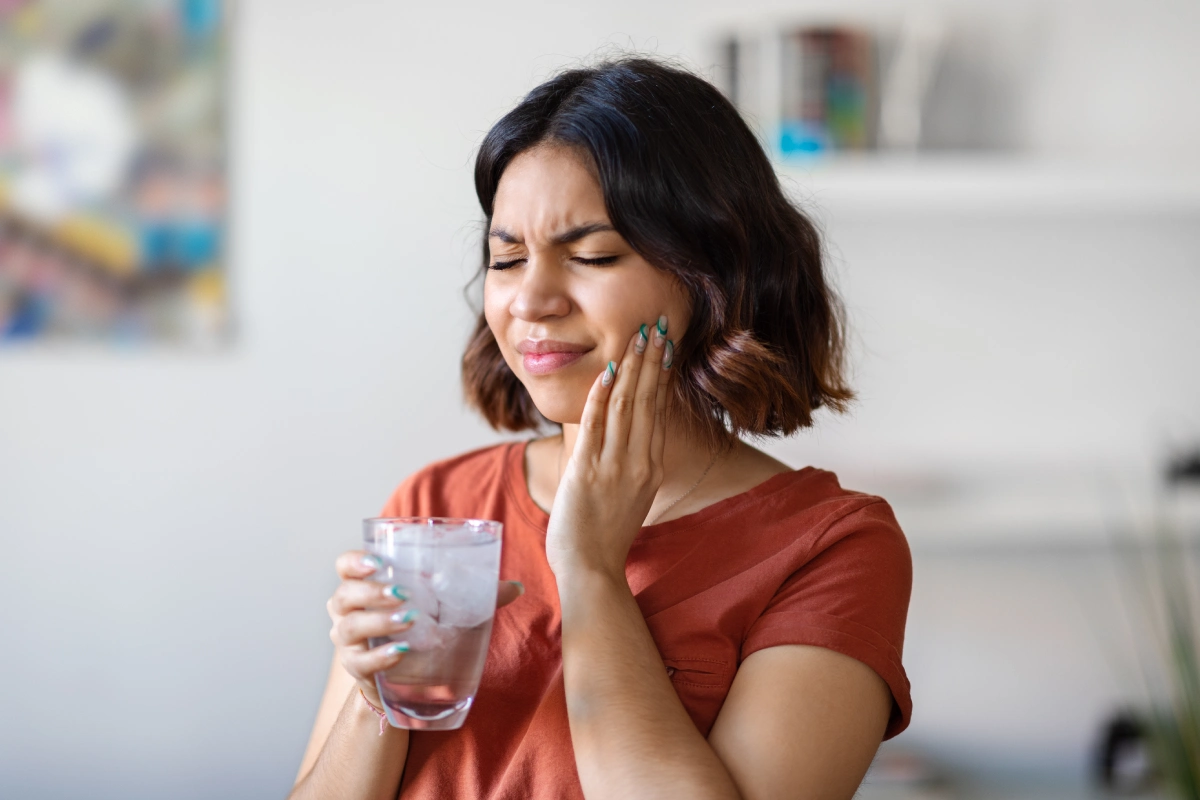
- Sudden Temperature Changes: Consuming something hot and immediately following it with something cold can cause the tooth to expand and contract, leading to cracks.
Recognize the Warning Signs
Early detection is crucial in preventing a cracked tooth from needing a root canal. See your dentist right away if you develop any of the following:
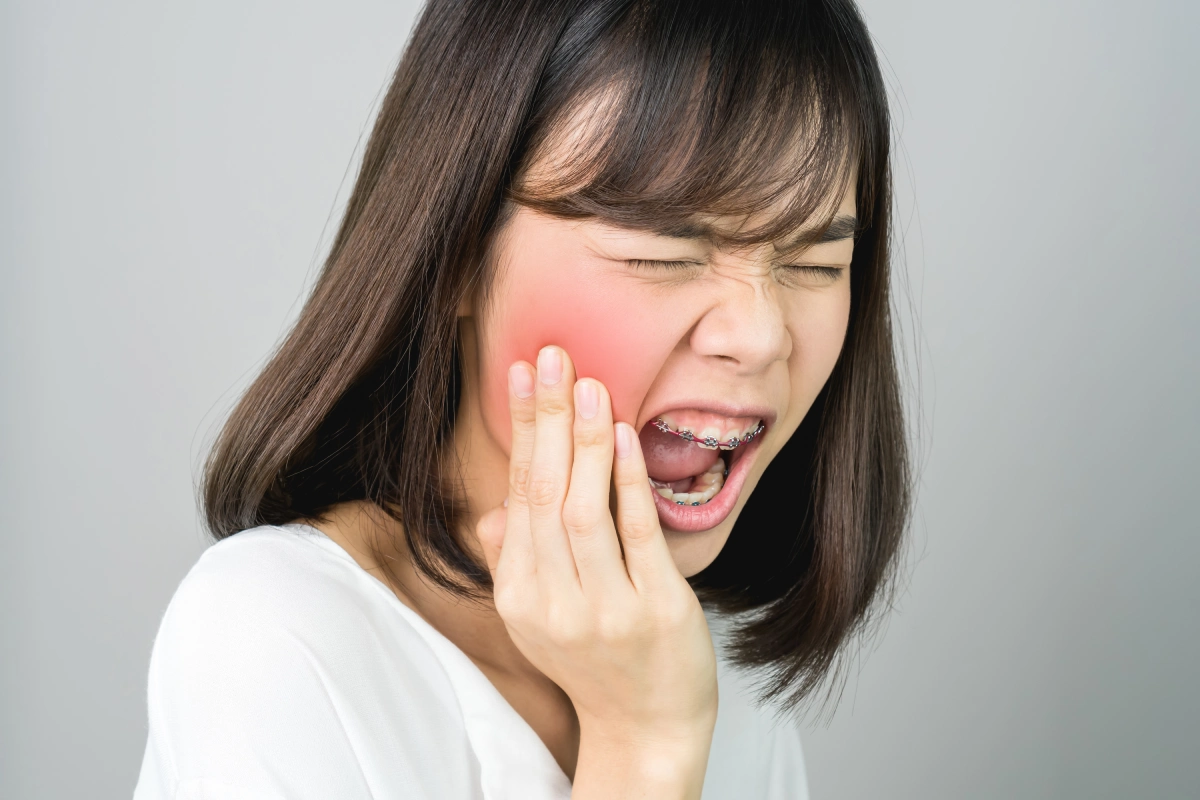
- Pain When Chewing: If you feel pain when biting down, especially on certain foods, it could indicate a crack in your tooth.
- Sensitivity to Temperature: A cracked tooth may become more sensitive to hot or cold foods and beverages.
- Swollen Gums: Swelling around the cracked tooth can be a sign of infection or inflammation.
- Intermittent Pain: Pain that comes and goes, particularly when eating, might indicate a crack in the tooth.
Take Preventative Measures
Preventing a cracked tooth from needing a root canal involves a combination of good oral hygiene, dietary choices, and protective measures. Here’s what you can do:
- Practice Good Oral Hygiene
Brushing twice a day and flossing daily keeps your teeth strong and healthy. This reduces the chances of decay, which can weaken your teeth and make them more prone to cracking. - Avoid Biting on Hard Objects
Refrain from chewing on ice, hard candies, or using your teeth to open packages. These actions can place unnecessary stress on your teeth, leading to cracks. - Wear a Night Guard
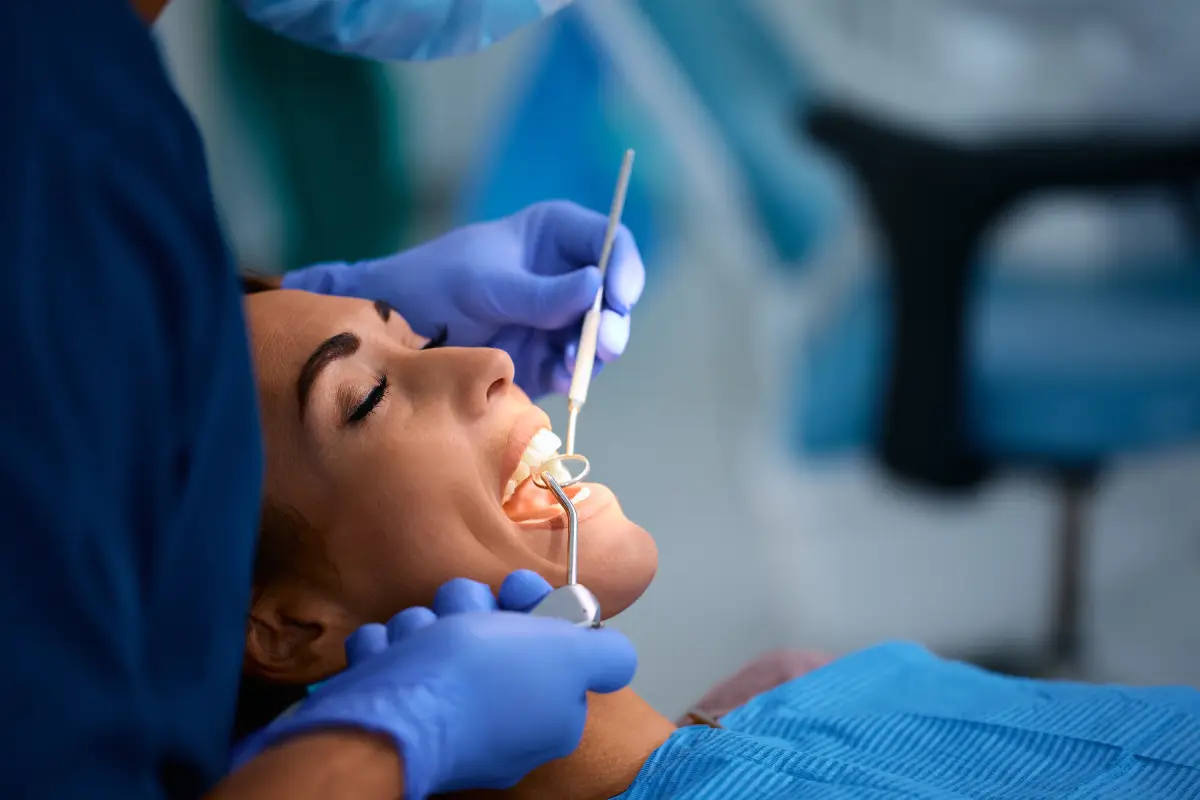
If you grind your teeth late at night, discuss custom night guard options with your dentist. Wearing a night guard prevents further damage by cushioning your teeth against the forces of grinding. - Visit Your Dentist Regularly
Routine dental check-ups allow your endodontist to detect and address any potential issues before they escalate. Your dentist can also identify signs of wear from grinding or other habits that could lead to a cracked tooth. - Be Mindful of Temperature Extremes
Try to avoid consuming extremely hot or cold foods and beverages in quick succession. This prevents sudden temperature changes that can cause your teeth to crack. - Consider Bonding or a Crown
If your tooth has a small crack, your endodontist might recommend bonding or placing a crown to protect the tooth from further damage. These treatments help reinforce the tooth’s structure and prevent the crack from spreading.
Act Quickly if You Suspect a Crack
If you think you have a cracked tooth, act right away. Avoid chewing on the affected side and see your dentist as soon as possible. Early treatment can often prevent the crack from worsening, reducing the need for more extensive procedures like a root canal.
Conclusion
By understanding the causes, recognizing the warning signs, and taking preventative measures, you can significantly reduce the risk of a cracked tooth progressing to the point where a root canal is necessary. Regular dental visits, good oral hygiene, and mindful eating habits are key to maintaining a healthy smile and keeping your teeth strong and crack-free. If you ever suspect a crack in your tooth, don’t wait—contact your endodontist in Palmdale right away to prevent further complications.