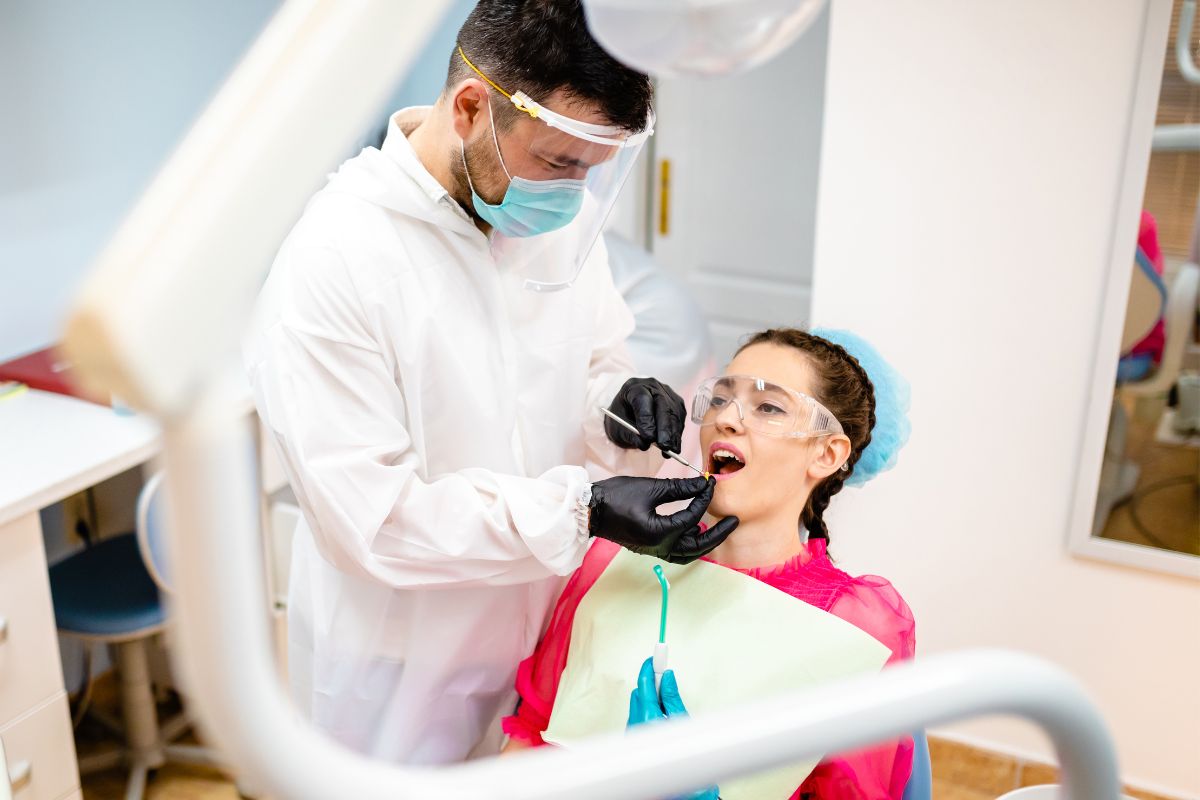
Tooth discomfort is not always caused by a simple cavity or minor dental issue. Sometimes, pain, sensitivity, or swelling can indicate a problem deep inside the tooth where the soft tissue, known as the pulp, is located. When this inner tissue becomes inflamed or infected, specialized treatment may be needed to save the tooth and protect your oral health.
This is where an endodontist can help. Endodontists are dental specialists who focus on diagnosing and treating conditions that affect the inside of the tooth. They are experts in procedures such as root canal therapy and are trained to manage complex cases involving dental pain and infection.
Knowing when to seek specialized care can make a significant difference in preserving your natural teeth.
5 signs you need to see an endodontist.
1. Persistent Tooth Pain
Tooth pain can indicate a variety of dental issues, but when it becomes persistent, you should take it seriously. If you experience sharp or throbbing pain that lasts for days, or if it worsens when you eat or drink something hot or cold, you could be dealing with an infection deep inside the tooth. An endodontist can diagnose the problem and provide treatment, often saving your tooth from extraction.
2. Sensitivity to Hot and Cold
It’s normal to experience some sensitivity to hot or cold foods and beverages, but if the discomfort lingers long after you’ve finished eating, it could be a sign of a deeper issue. This lingering sensitivity often points to damage or infection in the tooth’s pulp. An endodontist has the expertise to assess the situation and determine if a root canal is necessary to remove the damaged pulp and relieve your sensitivity.
3. Swollen or Tender Gums
Swelling or tenderness in your gums, particularly around a specific tooth, often indicates an underlying issue that requires specialized care. You might notice a small bump on the gum that resembles a pimple; this is called a dental abscess and indicates an infection. Left untreated, the infection can develop and cause more serious problems. An endodontist can treat the infection, often through a root canal, and ensure your gums and teeth return to a healthy state.
4. Darkening of a Tooth
If one of your teeth starts to darken or discolor, it may signal that the tooth’s pulp is dying. Trauma to the tooth, even from an incident that occurred years ago, can cause this type of discoloration. When the pulp dies, it can no longer supply the tooth with nutrients, leading to a gray or black appearance. An endodontist can assess the damage and perform a root canal treatment to remove the dead tissue and save your tooth.
5. A Chipped or Cracked Tooth
A chipped or cracked tooth isn’t just a cosmetic concern; it can also expose the inner pulp to bacteria, leading to infection. If you’ve recently chipped or cracked a tooth and experience pain, sensitivity, or swelling, you should see an endodontist right away. They can repair the damage and prevent infection from spreading, often through a root canal, which will protect your tooth from further harm.
Why Specialized Endodontic Care Matters
General dentists can treat many common dental conditions. However, when problems involve the inner structures of the tooth, an endodontist has advanced training focused specifically on diagnosing and treating these issues.
Endodontists complete additional years of specialized education beyond dental school and use advanced technology to evaluate and manage complex cases.
Their expertise allows them to:
- Diagnose difficult tooth pain
- Treat infected or inflamed pulp
- Perform root canal therapy
- Manage dental trauma
- Help preserve natural teeth whenever possible
Saving a natural tooth is often the preferred solution because it helps maintain normal chewing function, bite alignment, and long-term oral health.
Meet the Team at Synergy Endodontics
At Synergy Endodontics, we understand the importance of preserving your natural teeth whenever possible. Our team works closely with patients to diagnose complex dental concerns and coordinate specialized care when needed. Whether you are experiencing tooth pain, sensitivity, or signs of infection, we are committed to helping you achieve lasting oral health through comprehensive and personalized treatment solutions.